
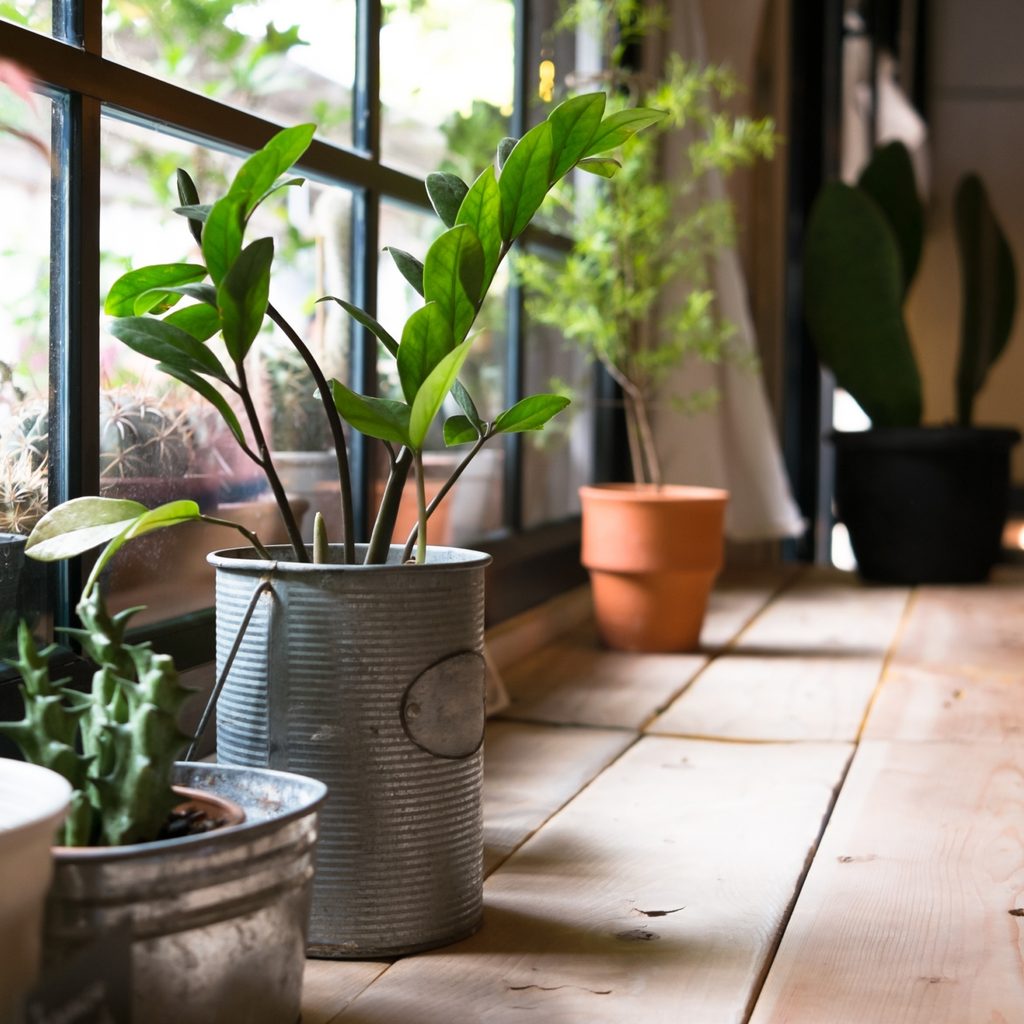
In the summer, we usually get all the healthy exposure we need to nature and all of its greenery. When the weather starts to cool down, though, we head indoors and lose a lot of the mood-boosting goodness that nature provides. Luckily, you don’t have to wait until the next year’s bloom to enjoy some greenery again. Keeping houseplants in the winter is a great way to maintain a piece of the outdoors in your life, even when it’s too cold to venture outside. Here are the best indoor plants for winter to spruce up your indoor space!
Do houseplants survive in the winter?
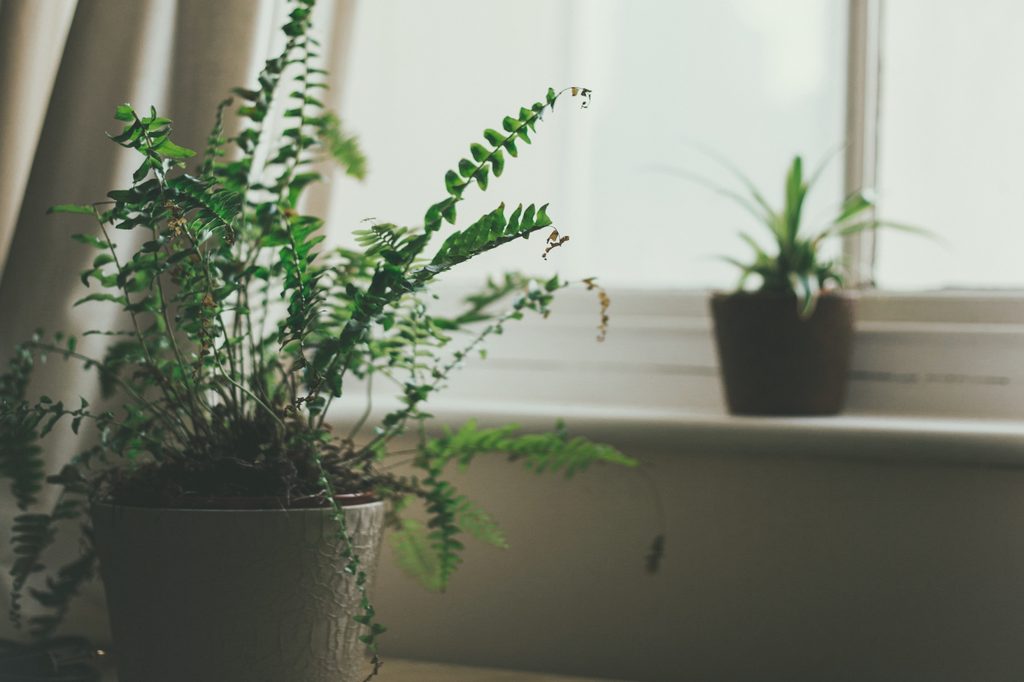
Your houseplants’ ability to endure the winter season hinges on factors like the type of plant, your indoor climate, and your care routine. Tropical plant varieties, for example, are accustomed to warmth and high humidity, so they might struggle in the cooler, dryer indoor winter conditions.
Light exposure and humidity levels should always align with plant’s needs, so be sure to adjust watering routines as plants often need less during the winter. Supplemental lighting, like grow lights, may also be needed due to shorter days and weaker sunlight availability, and reducing fertilization and pruning can help conserve plant energy during the long winter season. Finally, keep a watchful eye for pests, which can become more active indoors during the winter.
Understanding and catering to your houseplants’ specific needs can help them thrive indoors through the colder months.
Benefits of winter houseplants
Houseplants certainly spruce up the decor of any indoor space, but there are also plenty of other benefits. In fact, indoor plants can boost your physical and mental health when you’re hunkering down for winter.
Increase indoor humidity
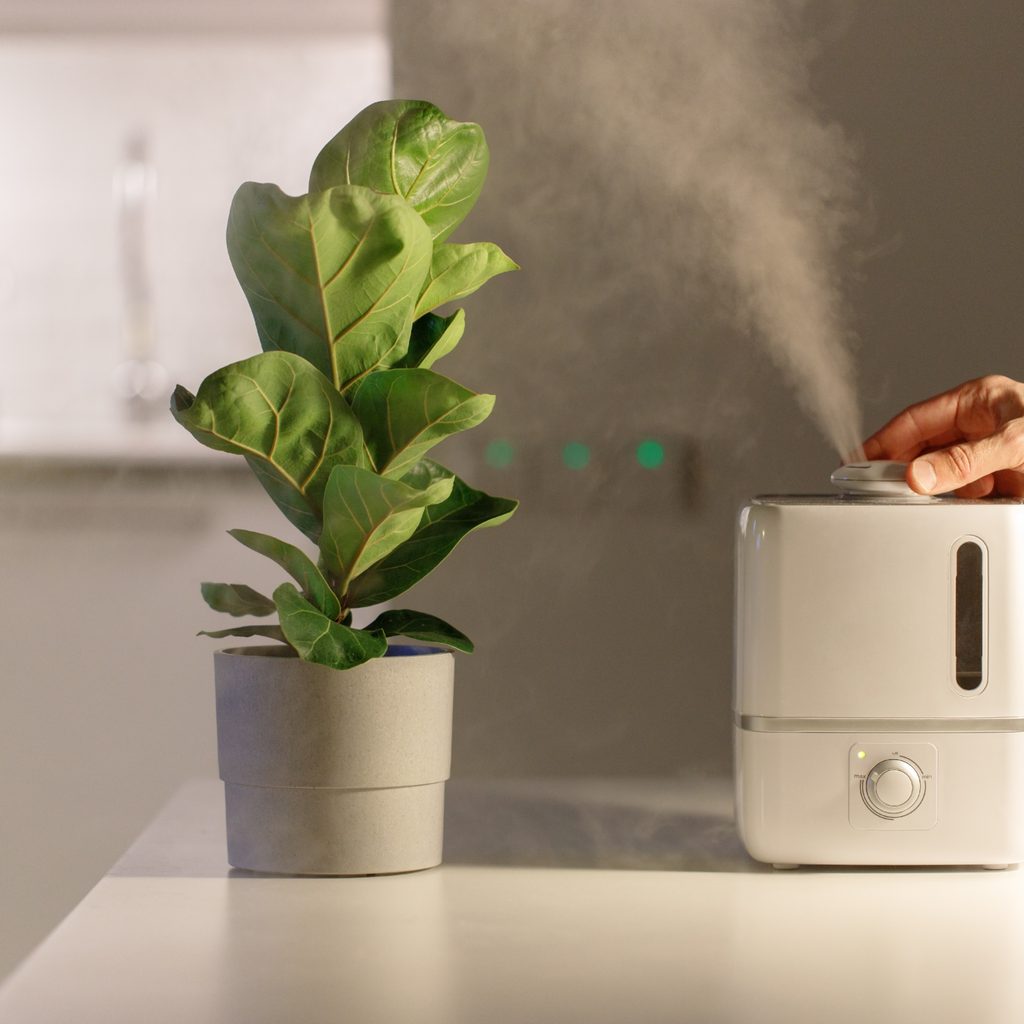
Winter months cause dryness indoors due to forced, heated air, and this can lead to discomfort in the skin, nose, and throat. Indoor plants can increase the humidity levels in your home through their transpiration process, which expels excess moisture that eventually evaporates into the air.
Purify the air
Through the process of photosynthesis, houseplants can purify the air. They absorb carbon dioxide, allergens, and other airborne toxins, and expel that beneficial oxygen. You may find yourself feeling much healthier during the winter months thanks to these plants.
Mood elevation
Many people across the nation find themselves plagued with the winter blues. As the weather cools and daylight becomes a rarity, our moods take a hit. Luckily, houseplants can give your mood a boost. Plants are soothing and can relieve stress and even increase productivity. This makes them a welcome addition to any home or office space.
Best indoor plants for winter
To ensure your plants last all through the chilly season, it’s important to pick varieties that are resilient and can withstand dry, cool environments with low levels of light. We recommend the following varieties.
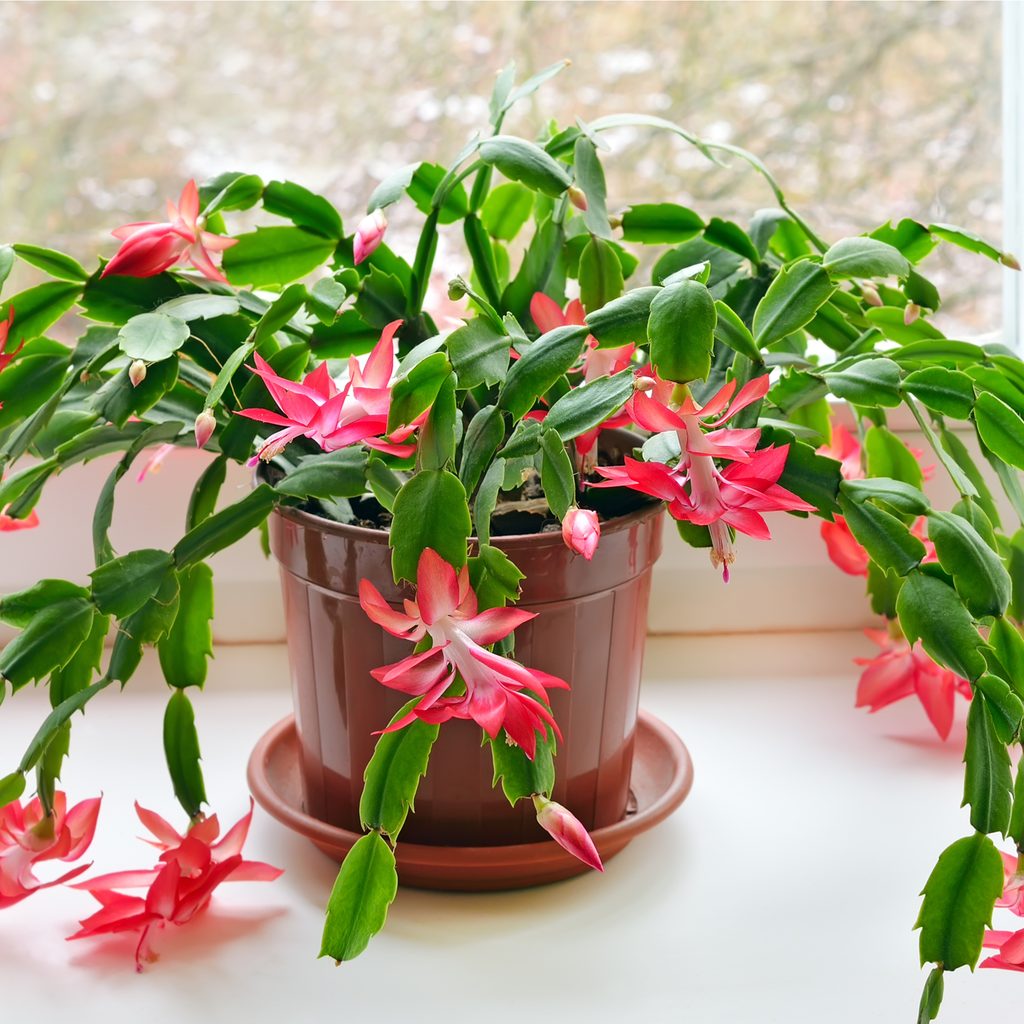
Christmas cactus
Since it tends to bloom over the holidays, they named this plant for the season of joy. While flowers are in bloom, be sure to mist the plant regularly, position it in a bright location, and keep the indoor temperature at or around 65 degrees Fahrenheit. Be aware that the flowers are a bit temperamental, so they may drop off if indoor temperatures fluctuate or watering is irregular.
Warneck Dracaena
The striking spiked leaves of the Warneck Dracaena add to your decor and assist with air purification during the winter. This plant prefers low to medium indirect sunlight and only needs water when the top half of the soil is dry. When watering, do so thoroughly with distilled water, as this plant is sensitive to chemicals like chlorine and fluoride.
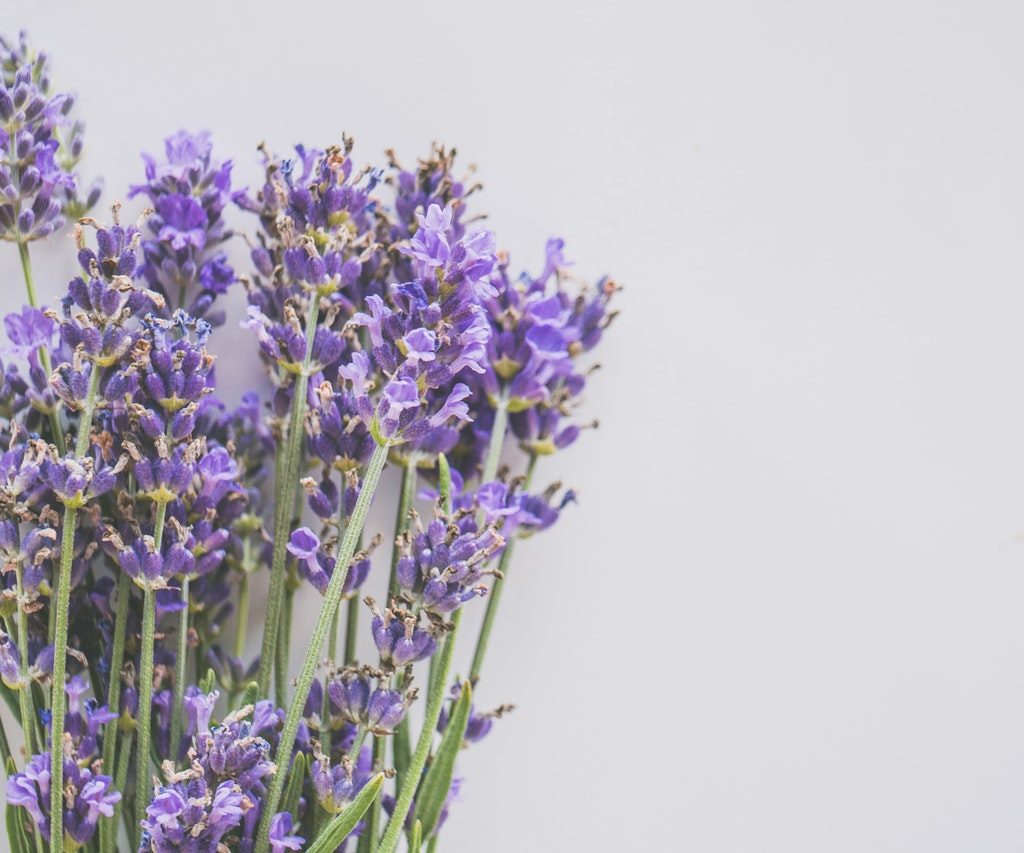
Lavender
The scent of lavender is soothing and relaxing, but it’s also a great natural aid for those who suffer from sleep problems like insomnia. To keep your lavender plant healthy indoors during winter, avoid overwatering and only hydrate the soil when the top inch or so is completely dry. Make sure the plant gets as much light as possible and keep the indoor temperature at or below 65 degrees Fahrenheit.
Encore Azalea
The Encore variety of azaleas tend to bloom for longer periods than other azalea varieties, so you can enjoy those flowers throughout the winter months. They enjoy bright, direct sunlight as well as a humid, moist environment, so be sure you have a working humidifier in the room or set the plant on a tray of wet pebbles to increase the humidity around it.
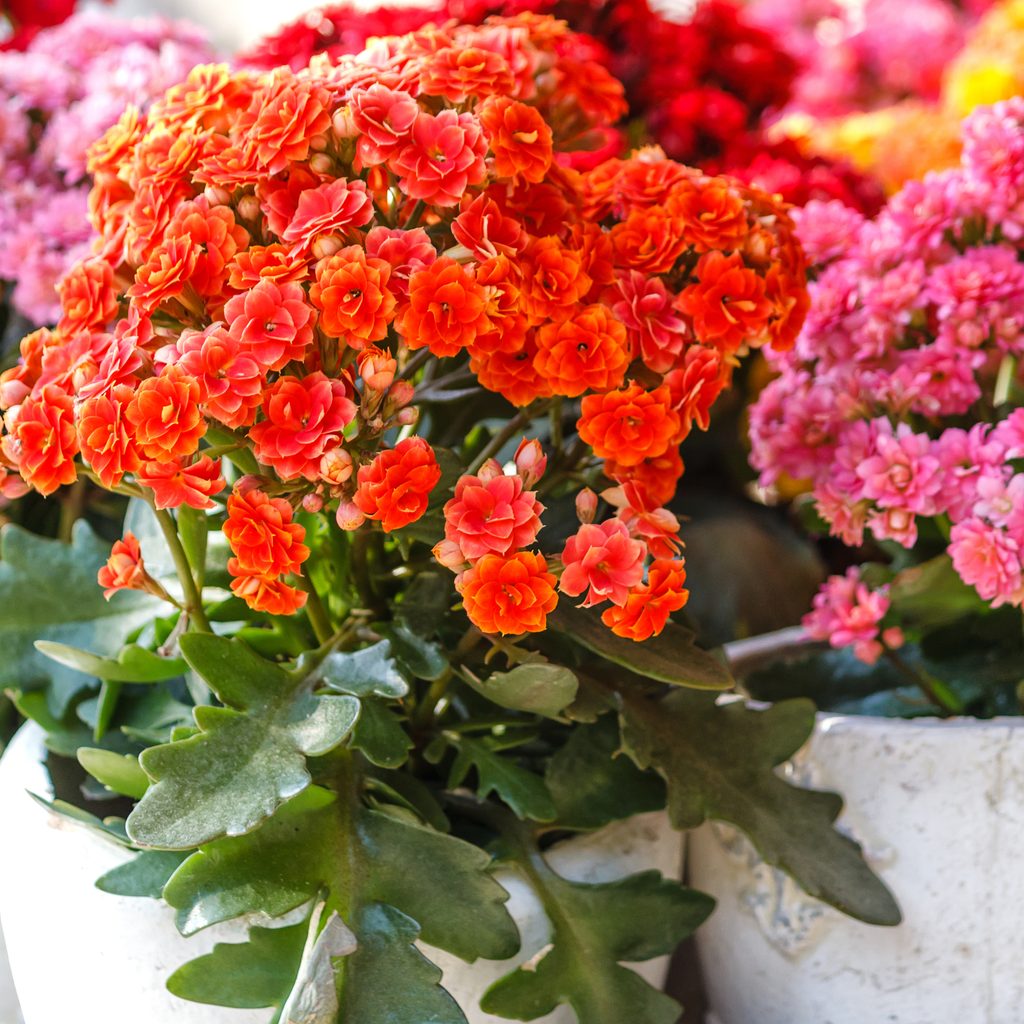
Kalanchoe
The kalanchoe plant likes bright but indirect sunlight — direct beams can scorch its leaves. Additionally, it only needs water once every few weeks since it likes to dry out completely between watering. To help the drying process, ensure the pot has adequate drainage.
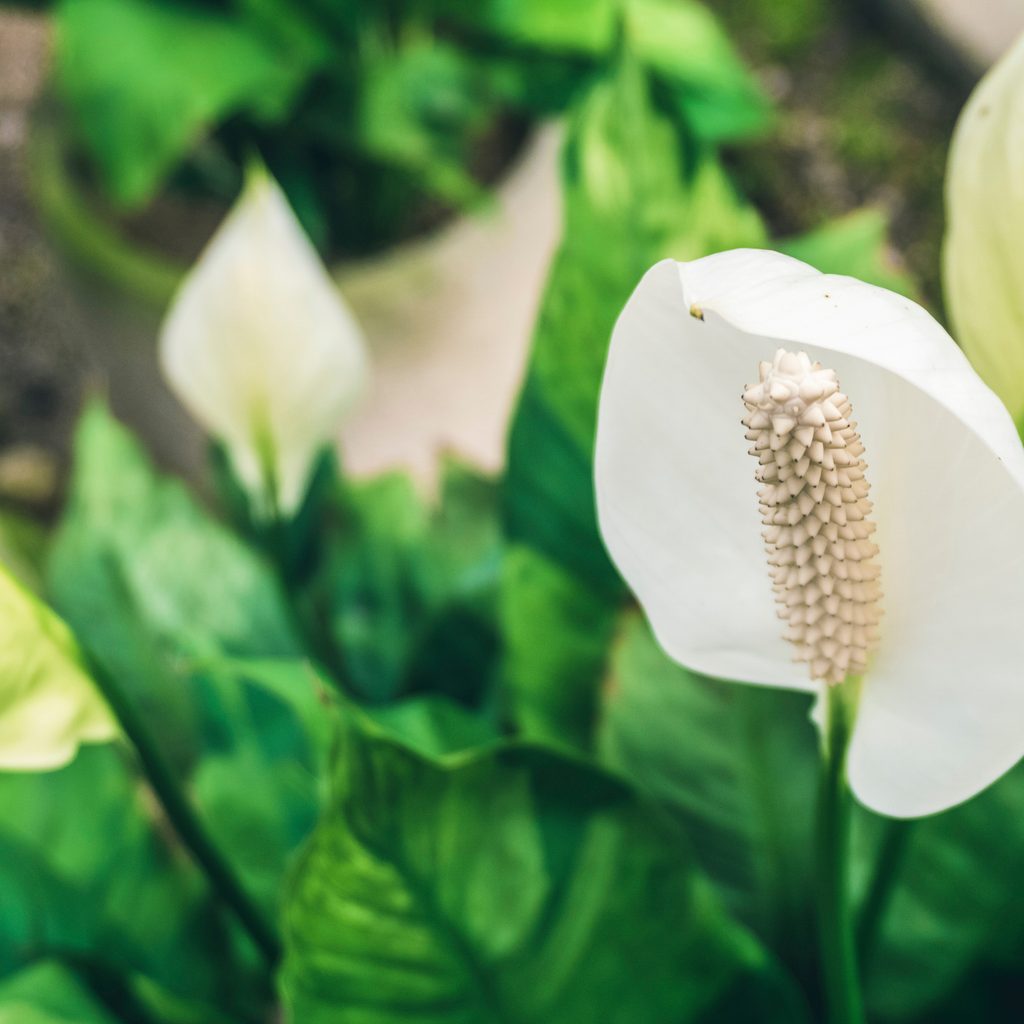
Peace Lily
The Peace Lily is not only gorgeous, but it also has the added benefit of its air-purifying abilities. Keep these beneficial beauties in bright, but indirect, sunlight and keep the soil consistently moist with distilled water (they’re sensitive to fluoride). The Peace Lily likes warmer, humid conditions, so keep indoor temperatures above 70 degrees Fahrenheit and mist its leaves occasionally.

Spider plant
Incredibly tough and resilient, the spider plant can withstand even the most neglectful plant parents. It likes to dry out completely between sessions of watering, but when you do water it, be sure you soak it thoroughly. This plant can survive in both low and high light conditions, but keep it out of direct sunlight.
Caring for indoor plants during the winter can lift your mood, purify your air, and increase the humidity levels in your home during those notoriously dry winter months. With any of these seven houseplant options, you can reap the benefits of a healthy indoor garden all season long.