
When summer comes to a close, it’s time to find the best fall grass fertilizer for your grass to keep your landscape looking healthy and strong come spring. Winter can be harsh on your yard, and the last thing you want is a barren or muddy landscape once spring finally arrives. Thankfully, there are plenty of “winterizing” lawn fertilizers made to treat your grass to ensure it’s healthy and lush as the weather starts to warm.
However, while there are many brands to choose from, not all fertilizers are created equal. What fertilizer should you use in the fall? We’ve rounded up our favorite lawn fertilizers to help you control weeds and maintain fresh, green grass throughout spring.
What fall fertilizer does for your lawn
A common misconception by homeowners is the idea that all fertilizers work in the same way. However, that is far from the truth. Fall fertilizer doesn’t perform the same functions as spring fertilizer. Fall fertilizers are often made to improve healthy root growth, add nutrients and minerals back to the soil, prepare seeds for frosts, drought, or heat, and encourage new growth in the spring.
When using fall fertilizers, most people intend to “feed” the lawn to retain nutrients within the soil. Additionally, many homeowners pair their fertilizers with new grass seeds in order to take advantage of the nutritional benefits for seedlings to sprout by next spring.
Below are some of our favorite fall fertilizers. Each performs a different function depending upon your needs.
Espoma EOFW30 Organic Fall Fertilizer
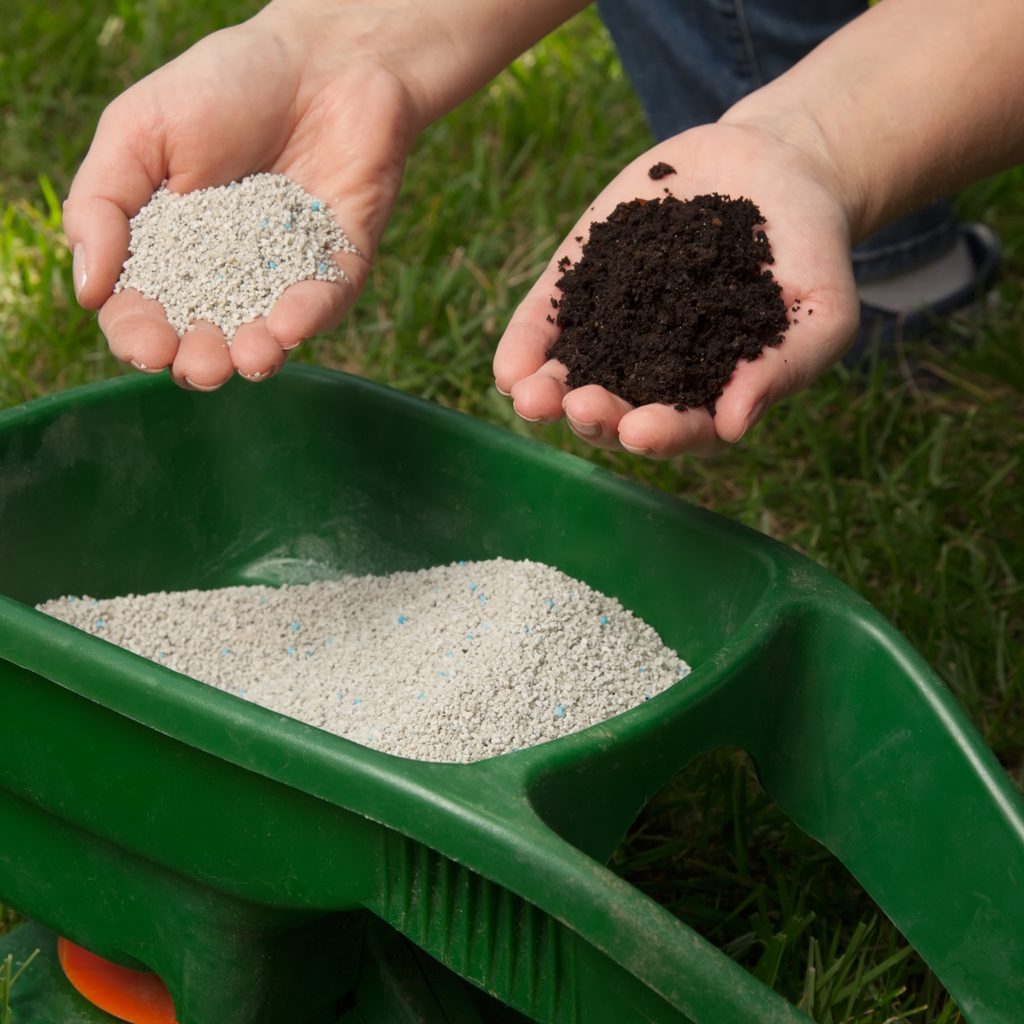
If you’re looking for organic fertilizers, Espoma is a brand that avoids using harsh chemicals or byproducts within their fertilizer. This fall fertilizer is made of feather meal poultry manure as its main component. Sulfate of potash is another key ingredient that allows Espoma to stand out amongst the rest. This ingredient introduces natural potassium and sulfur to your lawn to encourage the production of healthy soil nutrients.
What’s most impressive about this fertilizer is that it has water-soluble and all-natural components. There is no reason to worry about harsh chemicals being drained into nearby water systems, as the materials are all non-toxic and organic.

Jonathan Green & Sons
Jonathon Green & Sons fertilizer is best for homeowners who are eager to plant grass seeds that will grow next spring. For barren and dry landscapes, planting seeds in the winter can allow the grass to take root and sprout. However, winter frosts and excessive moisture can hurt seeds, hindering them from growing in the spring.
This fertilizer by Jonathan Green & Sons encourages root growth and creates optimal conditions for seeds to grow next season. You can add this fertilizer to your lawn before or after you have scattered the seeds. Over the winter months, the grass will take root and provide nutrients that benefit plant growth.
Scotts Turf Builder WinterGuard
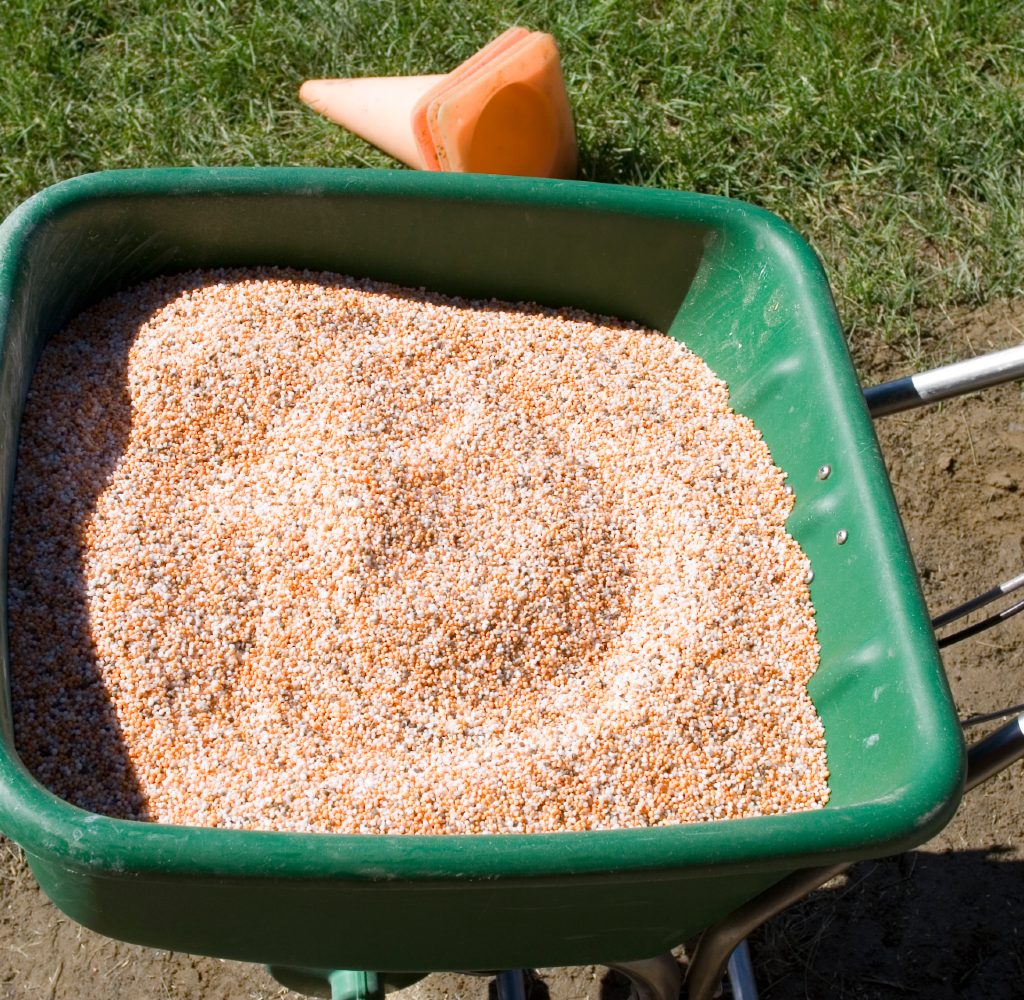
Scotts Turf Builder is a great fall fertilizer to add nutrients and security back to your soil. As the seasons change, the soil is prone to drought, overheating, and frosts that damage roots. This fertilizer aims to prepare roots for winter by strengthening them so that once spring arrives, they can provide a lush green carpet across your lawn.
This fall fertilizer is specifically meant for feeding your lawn and promoting healthy root growth. While it doesn’t kill weeds, many lawn care experts recommend using fertilizers that encourage stronger grassroots over those that aim for killing weeds.
What to know when fertilizing your lawn
Before fertilizing your lawn, there are a few things you need to know.
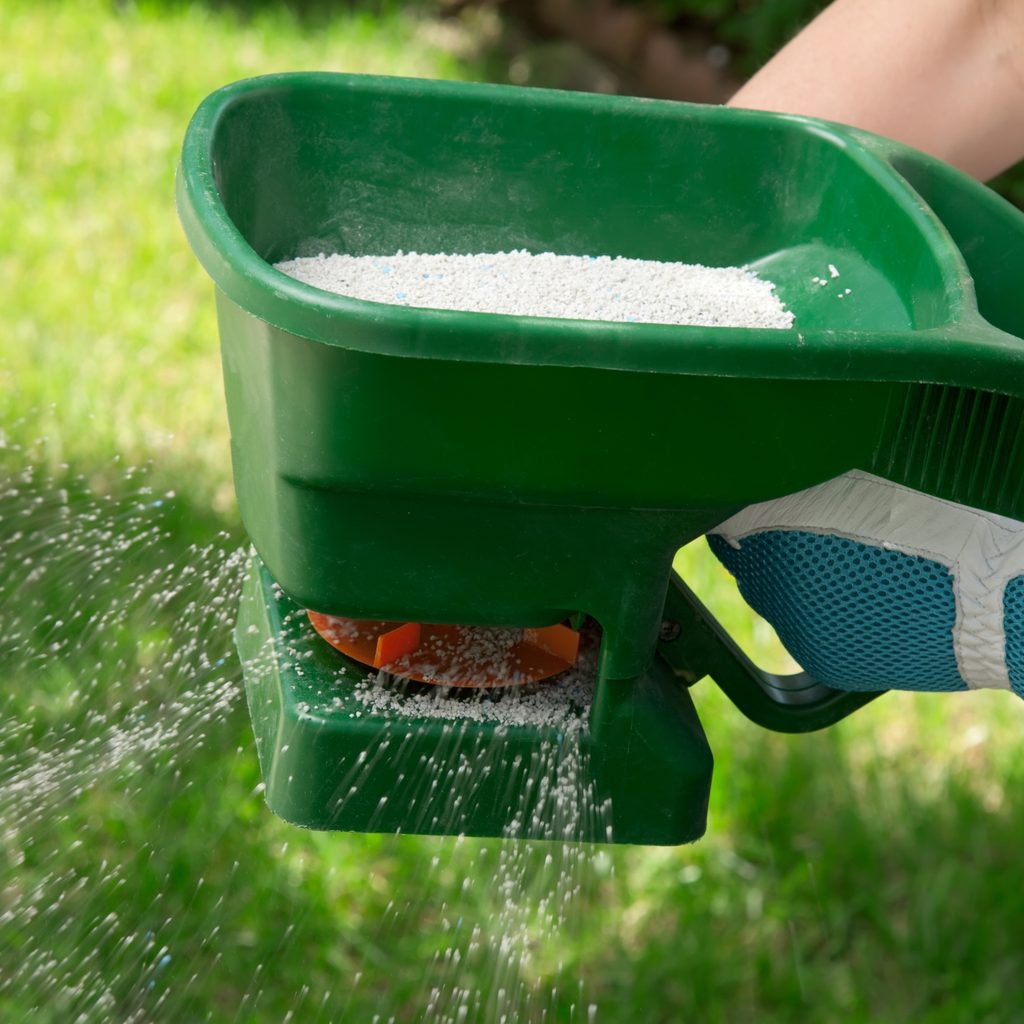
First, fertilizers can perform two different functions. They can prevent the growth of weeds, or they can feed the preexisting grass in your yard. Some fertilizers have been able to do both, and those are considered “weed and feed” fertilizers. While killing weeds is often the main attraction for many homeowners when fertilizing their lawn, many experts argue that feeding your lawn and creating strong and healthy grassroots is far more important.
It’s also recommended that you follow fertilizing instructions to prevent overfeeding your lawn. Overfertilization can cause your grass to turn brown and die, which is the opposite of your goal when using fertilizer. Many fertilizers perform best when spread across your lawn at the recommended measurements. Additionally, it’s best to wait four to six weeks between each fertilizing session. Preventing overfeeding isn’t just good for your lawn — this reduces the risk of fertilizer runoff, which could end up polluting your local waterways.
Typically, you only need to fertilize twice in the fall season. If you choose to fertilize once, use a product with a high proportion of nitrogen. If you fertilize twice, use a nitrogen-rich fertilizer the first time and a potassium-rich fertilizer the second. (All fertilizers are labeled with three numbers, which represent the ratio of nitrogen, phosphorus, and potassium.)
What to do before adding fall fertilizer to your lawn
Before you add fertilizer to your lawn, there are a few steps you want to ensure you do for the most effective results.
Be sure to rake and mow your grass
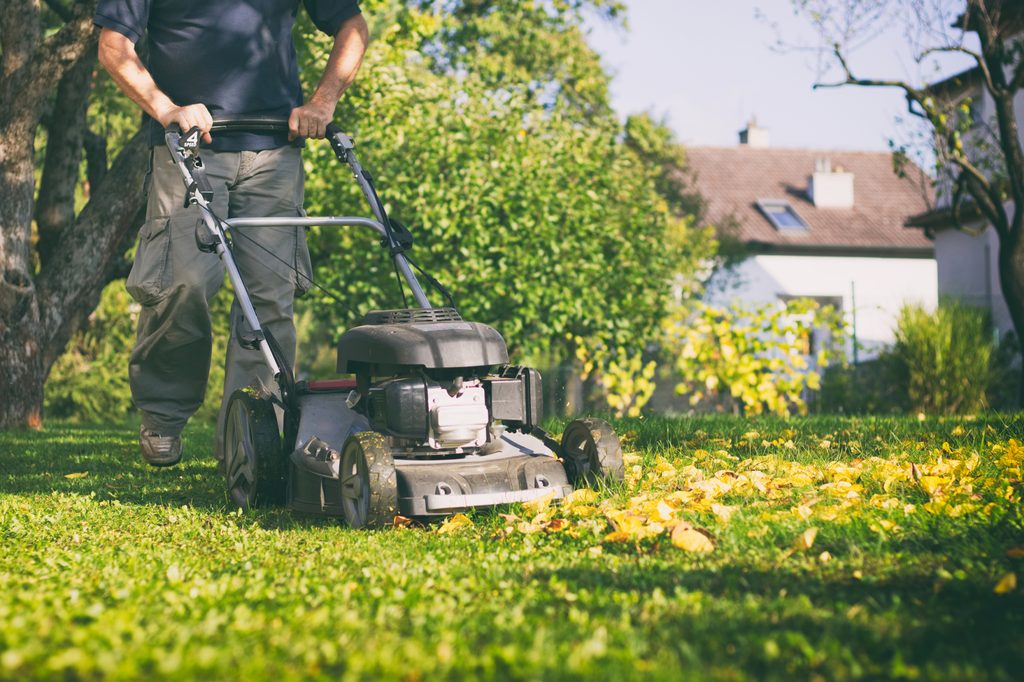
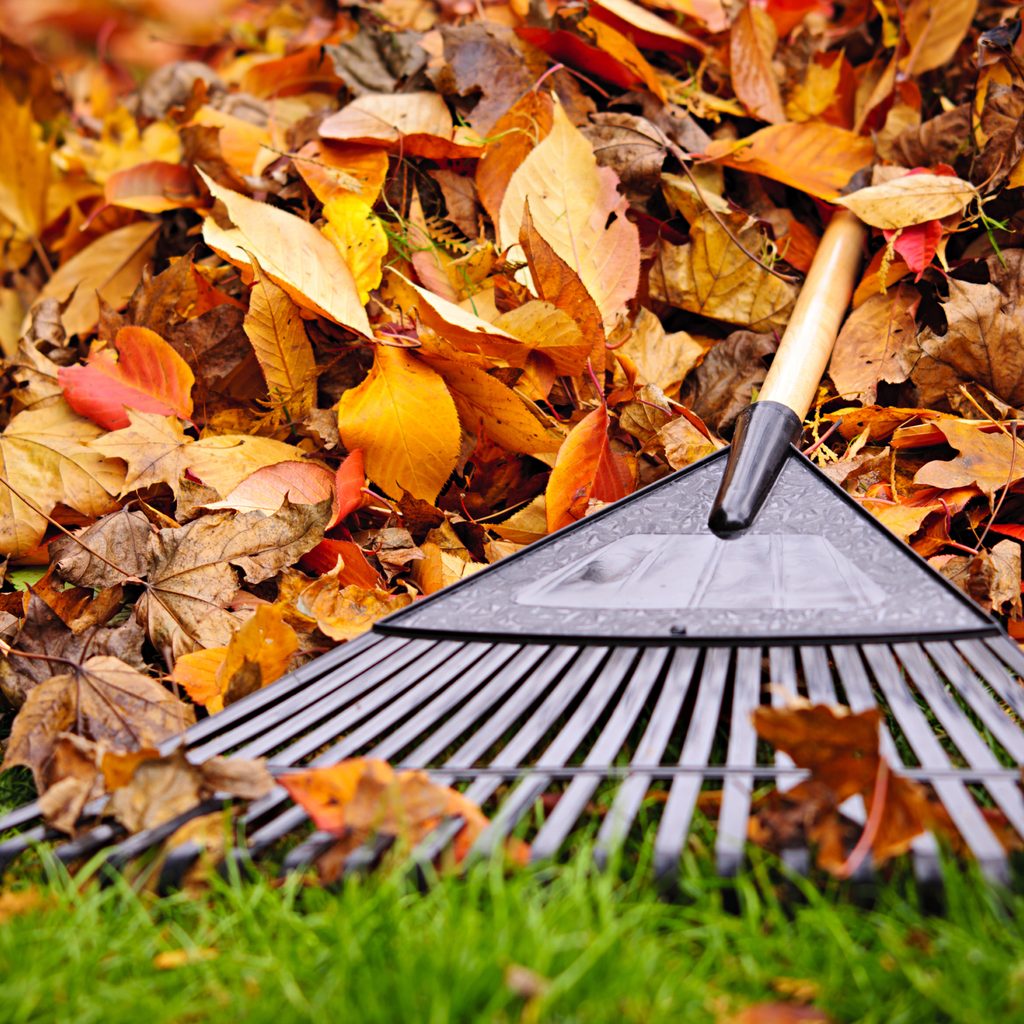
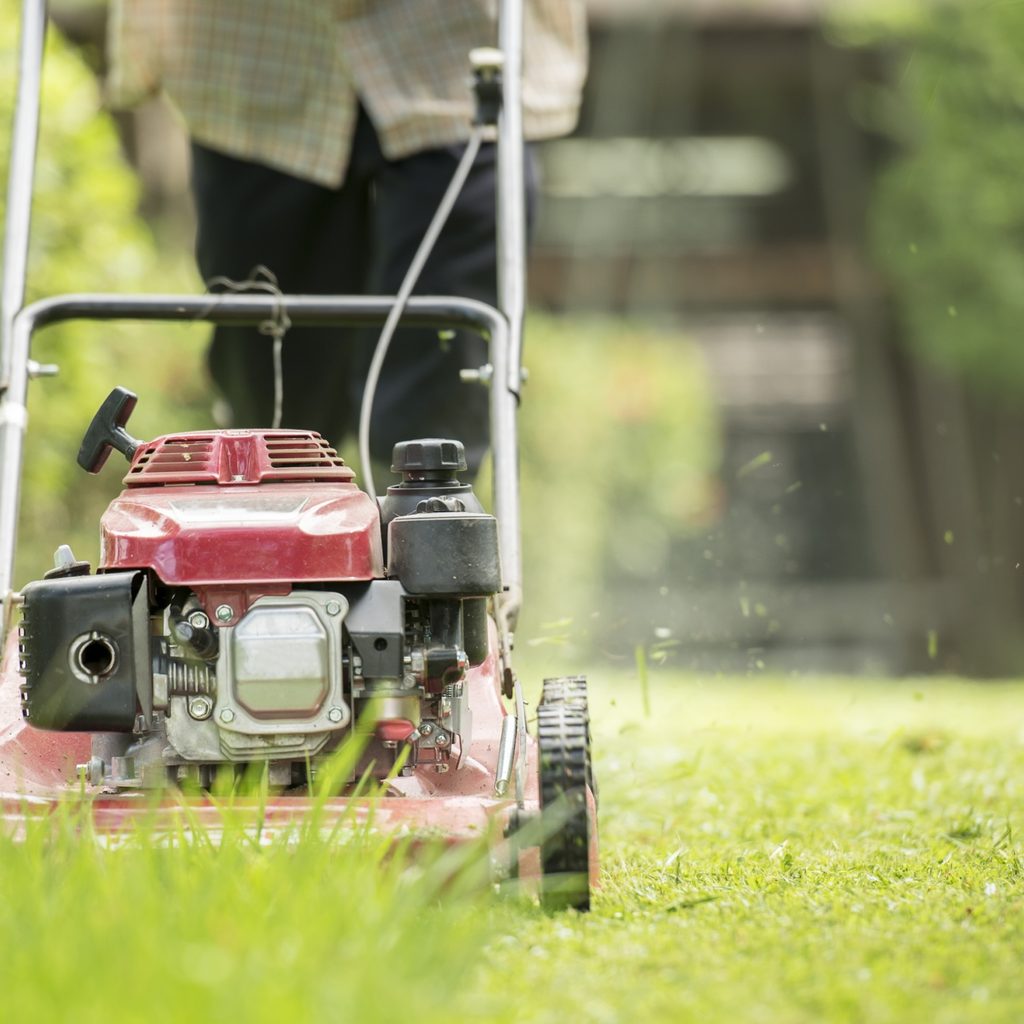
Two days before adding fertilizer, ensure you take and mow your lawn. Raking will make adding fertilizer more effective since the leaves won’t block the grass roots. If you add fertilizer on top of dried fall leaves, it won’t do much to support your grass. Additionally, it’s a good idea to mow your lawn beforehand to allow the fertilizer to reach the soil instead of clumping in the grass blades. Just be sure to have a lawn bag on your mower or rake up cut grass before adding fertilizer.
Water your lawn two days prior to adding fertilizer
Another tip to increase the effectiveness of your fall fertilizer is to water your lawn two days prior. Watering your lawn will ensure that it is fresh, healthy, and prepared for fertilizing. Also, aerating your lawn promotes growth and makes the soil more receptive to the nutrients the fertilizer will bring. So, be sure to aerate the lawn before adding fertilizer.
Don’t forget to water your lawn after adding fertilizer
One of the most important steps to remember is to water your lawn after adding fertilizer. You’ll want to do this because the water will wash any fertilizer off the grass blades and into the soil, where the roots can soak up the good nutrients. Your lawn can’t benefit from your fertilizer if it is just sitting on the grass blades. So, be sure to give it a light watering once you’ve applied your fertilizer to ensure your hard work doesn’t go to waste.
While there are specially made fertilizers for every season, fall fertilizers tend to better benefit the health and wellness of your lawn’s soil. They add a solid foundation for root growth and prepare seeds to sprout in the spring. Be mindful to follow the directions on your fertilizer’s packaging to ensure you are not over or under-feeding your lawn.