
Picture your perfect bathroom: Is it gorgeously designed, with lit candles and a scented bubble bath ready and waiting for you? Unfortunately, bathroom smells are a reality for most since the function of a bathroom means it can sometimes be home to some pretty gross things.
From urine to mildew to a sewer smell in your bathroom, we've got the tips and tricks you need for a fresh-scented, clean-smelling space. And, in some cases, the cleaning hack you need for those bathroom smells is right in your medicine cabinet.

Why is there a smell coming from the bathroom?
The first step in this process is identifying the source of the odor. A smell coming from the bathroom can be caused by several factors, including sewer gas leaks, mold or mildew growth, clogged drains, or bacterial buildup.
- Sewer gas odors often result from dried-out P-traps, damaged vent pipes, or broken seals around the toilet.
- Mold and mildew thrive in damp environments, especially in poorly ventilated bathrooms.
- Clogged drains can trap hair, soap scum, and other debris, leading to unpleasant smells.
- Bacteria in the toilet bowl or around hidden areas may also contribute.
Regular cleaning, proper ventilation, and checking plumbing seals can help eliminate odors and keep the bathroom smelling fresh.

How to use shaving cream to eliminate bathroom smells
There are plenty of household items that have secret cleaning abilities — but is shaving cream one of them? In short, yes. Specifically, shaving cream can get rid of urine odor. Check out #cleaninghacks hashtags on TikTok and Instagram, and you’ll find plenty of videos that boast of the power of shaving cream.
Shaving cream’s thick consistency helps it clean hard-to-reach spots like in between tiles and behind the toilet. So next time your bathroom needs a deep clean, grab a can of shaving cream off the shelf in lieu of your regular foaming cleaner. A great thing about this trick is parents agree the brand doesn’t matter — any shaving cream will do. (Just be sure not to use it on wooden floors, as it may stain or warp the wood.)
How to get rid of mold or mildew smells
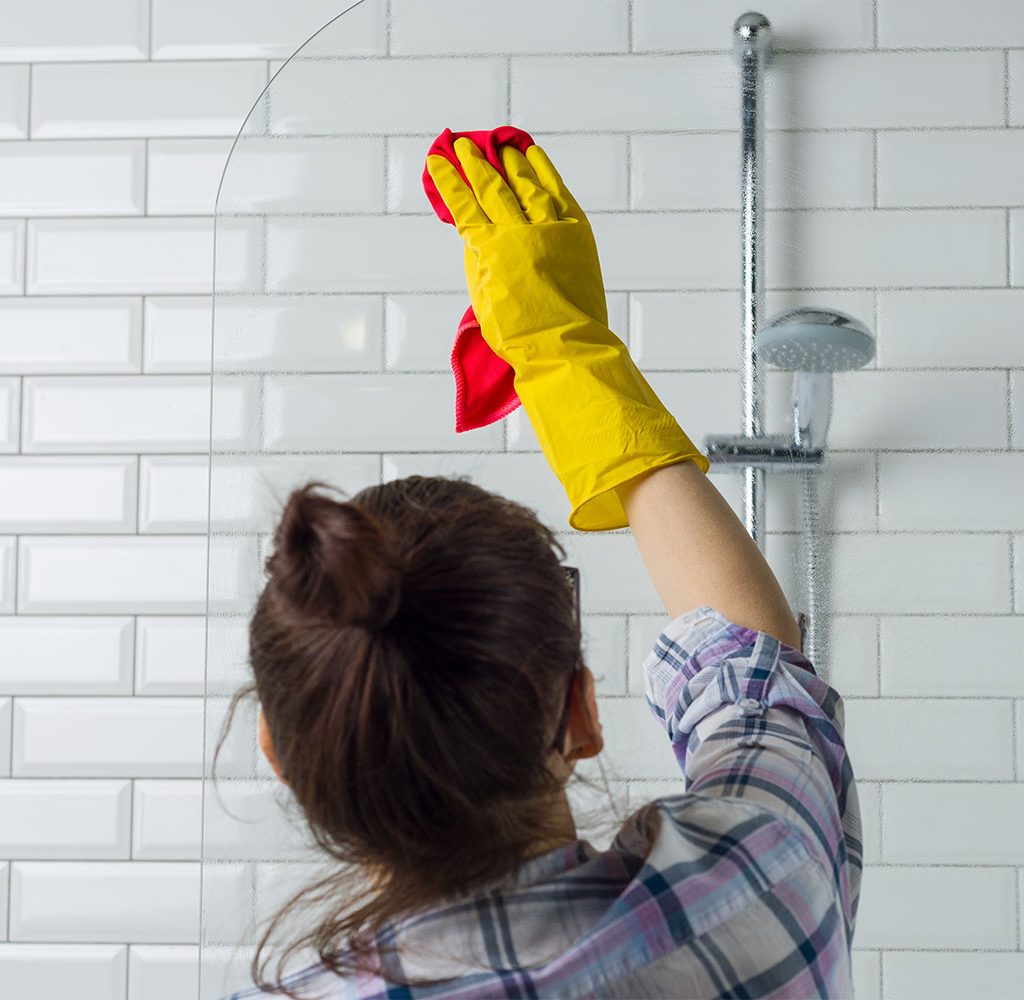
If you’ve scrubbed down the toilet and floor but still detect a lingering smell, it could be mold. Bathrooms are notorious for mold because they get steamy from constant use and often don’t have enough ventilation. Luckily, cleaning showers and other surfaces is easy with the right tools.
Step 1: Machine-wash more clear-cut sources like old hand towels and rugs.
Step 2: Douse the affected spots with apple cider vinegar and let it sit for at least two hours.
Step 3: Scrub off the mold and mildew with a brush.
How to get rid of mold if that doesn't work
For serious mold situations, consider something stronger like baking soda or bleach:
Step 1: Wipe off surfaces thoroughly with a wet cloth after.
Step 2: Open all windows and keep the ceiling fan on for a few hours.
Step 3: When all mold and mildew are gone, make sure you routinely wash and wipe off problem surfaces.
Step 4: Air out the bathroom whenever possible, especially after steamy showers or baths.

How to improve ventilation in your bathroom
Closely related to mildew and mold, proper bathroom ventilation helps prevent common undesirable smells. If you don’t have one already, install and vent an exhaust fan to circulate air after showers. This also prevents water from creating condensation on your ceilings, which allows mold to grow. It’s a good habit to run the fan whenever you take a shower and after.
If you don’t have the time or budget to address that problem just yet, these solutions can also help:
Step 1: Leave the bathroom door open after a shower to let hot air out.
Step 2: When weather permits, leave the window open for the same purpose.
Step 3: Plug in a dehumidifier if a ceiling fan or cracked window is not an option. These appliances are great for muggy months when mold can thrive anywhere in your home, especially in the bathroom.
How to get rid of a sewer smell in a bathroom
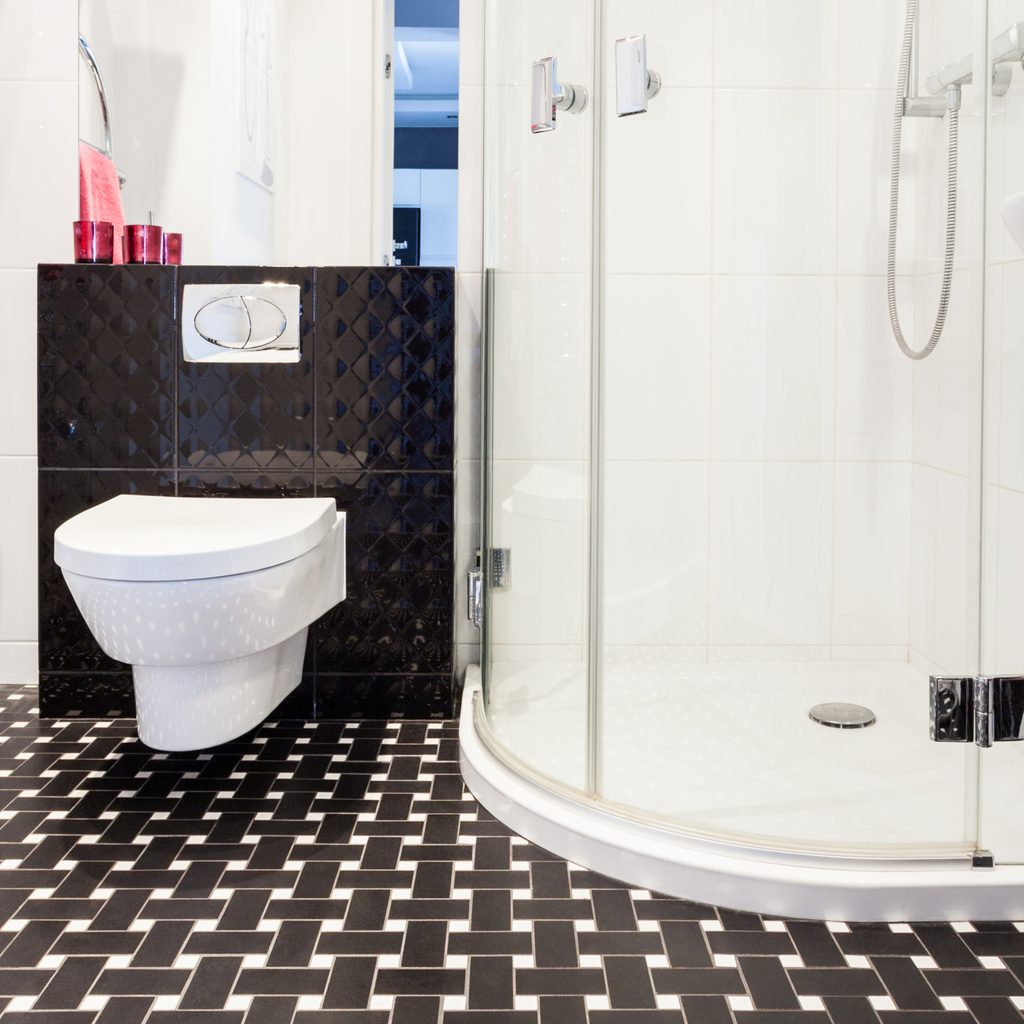
A sewer smell usually signals a pipe leak or water leak.
Step 1: Check under your sink.
Check under your sink for any openings that may cause certain gases to leak through. This is also a common problem in toilets where a part called the toilet pan collar may suddenly come off after years of use. As a result, the waste pipe is exposed, and some gross smells come out.
Step 2: Check your shower drain.
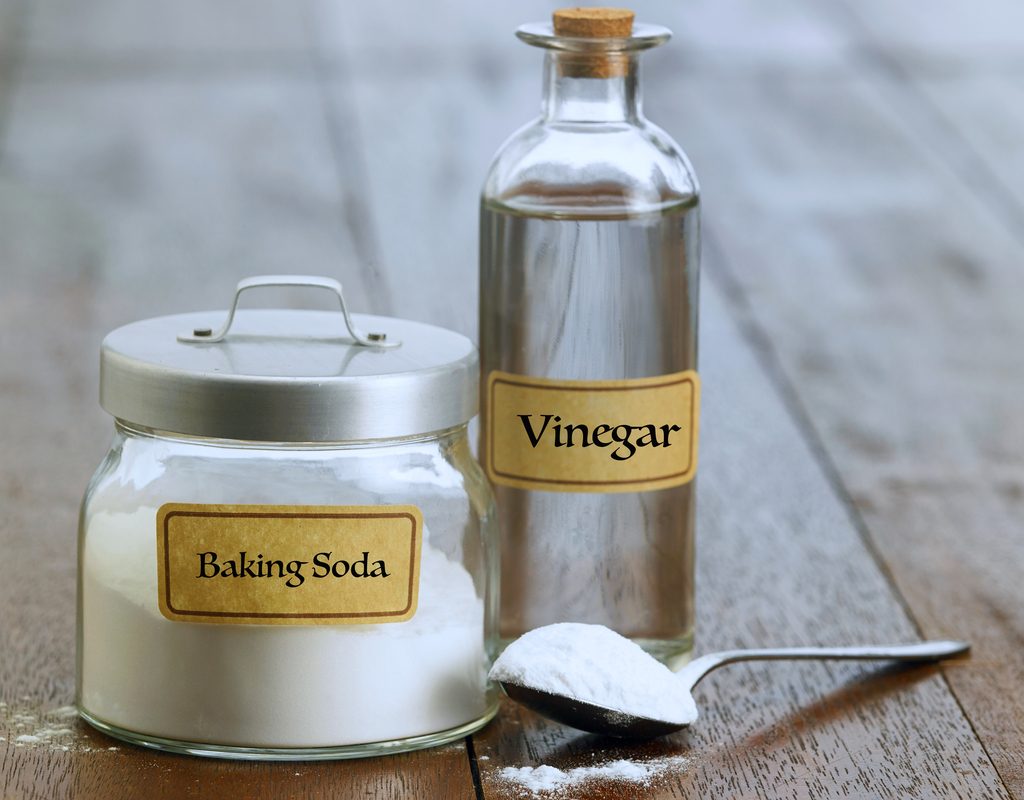
Your shower drain may also be the culprit in this case. For homeowners with bathrooms featuring a waste drain in the middle of the bathroom floor, take extra care. Make sure the waste trap doesn’t actually trap any debris like hair or built-up gunk from shampoos, soaps, and conditioners. Apply an unclogging solution to dissolve any dirt, or make a vinegar and baking-soda solution if you want a more kid-friendly alternative.
What neutralizes the sewer smell in bathrooms?
If a nasty sewer smell persists in your bathroom even after thorough ventilation or proper cleaning, add some of the below substances to neutralize the stench.
- White vinegar
- Shaving cream
- Bleach
- Baking soda
- Mineral oil
- Hot water
These odor-combatants will help cut back that disgusting sewer smell in the bathroom. And some of these products, like white vinegar and bleach, can help remove mold and mildew buildup around drains, moist areas, and porous tile grout. Giving everything a light scrub with one of these items will help neutralize odors. Vinegar and shaving cream are fantastic solutions if you want to take a lighter approach and limit the amount of bleach or cleaning chemicals used in your bathroom.
Just remember that not all of these products can be used at once! Stay safe by only using one to neutralize odors, and always have a window open for ventilation. If the smell persists after twenty-four to forty-eight hours, try using another neutralizing product.

When in doubt, call a professional
Call a plumber for any of the scenarios above if your problem persists or if you don’t have the proper tools. Use an air purifier in the meantime, and determine if stale air might be a contributing factor to this gross smell.
There are many potential sources of some really gross bathroom smells. Although some issues are a one-time fix, others might need a repeatable solution. For instance, pee smells from potty-training mishaps will persist for at least a few months. Until boys master using the toilet effectively, we recommend using shaving cream to help you get rid of this unmistakable odor. To treat other bathroom smells, we suggest using more conventional methods.