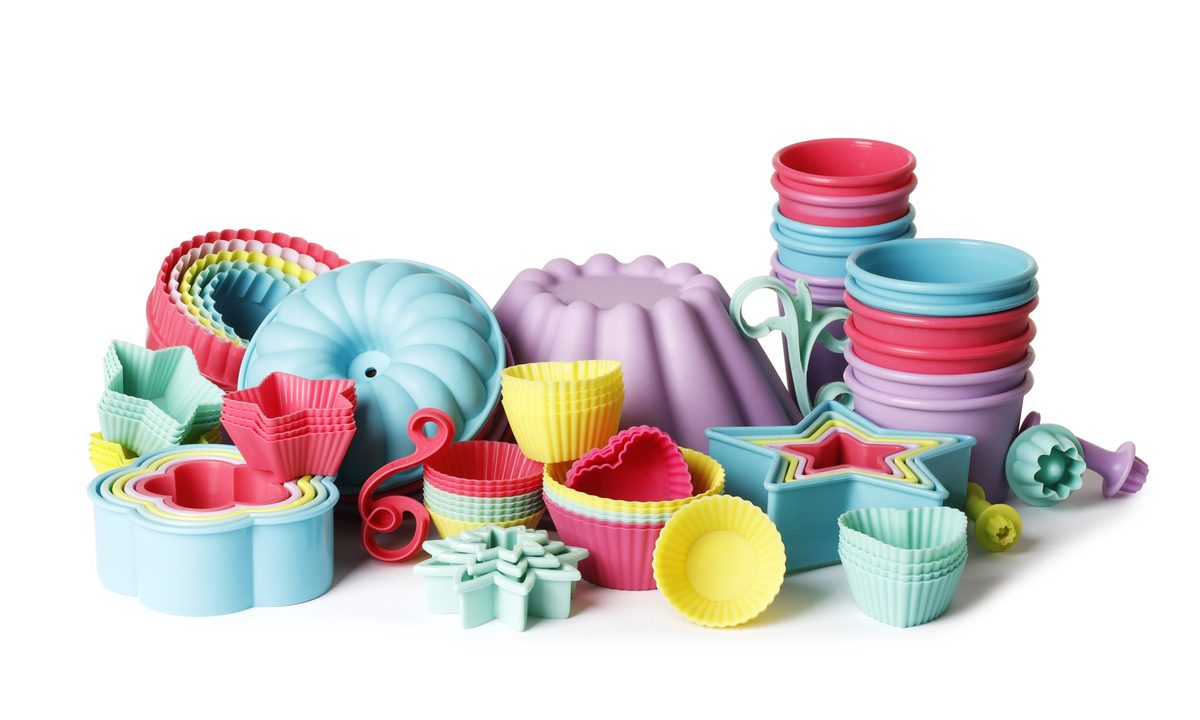
Silicone bakeware almost seems too good to be true. These baking tools are non-stick, reusable, and available in hundreds of sizes, colors, and fun shapes, and they make fun baking projects even more creative. They are also much less wasteful, reducing the need for paper cupcake wrappers and rolls upon rolls of parchment paper. Plus, silicon bakeware is easy to clean and durable enough to withstand years of use.
Sure, these baking tools are popular and convenient, but are there drawbacks — or even dangers? Is silicone safe to cook with? Let’s dive into the ins and outs of baking with silicone.
The 411 on silicone baking molds
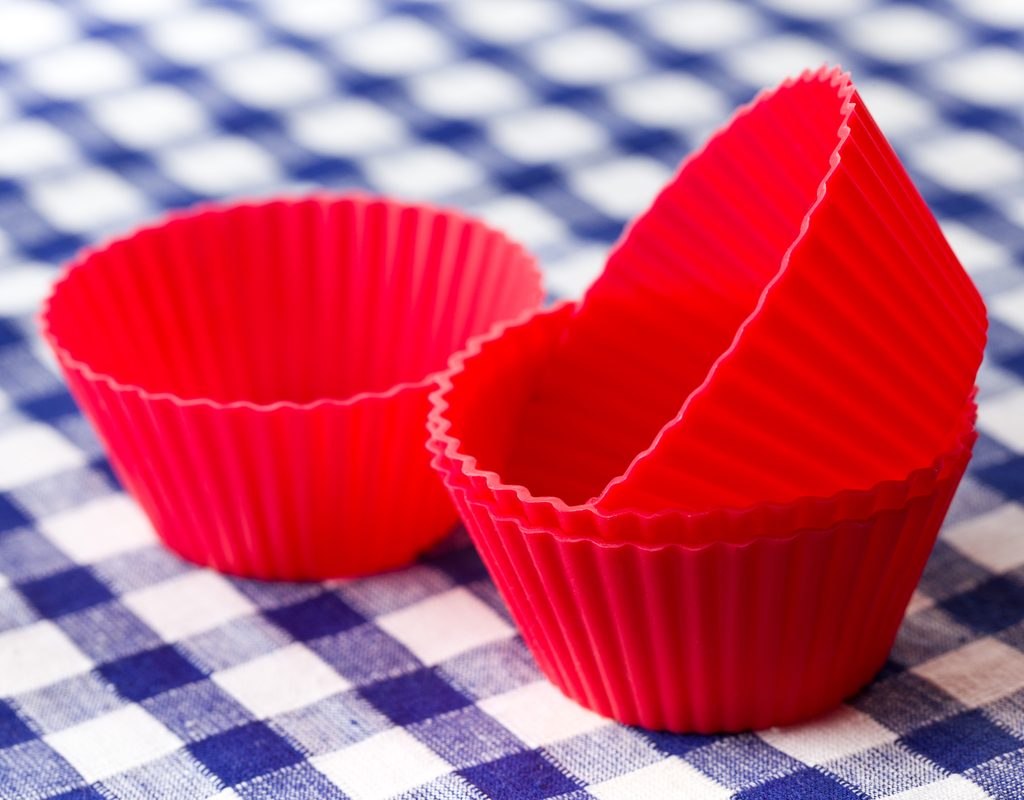
While silicone is a synthetic type of rubber, its actual makeup includes oxygen, bonded silicon (which is abundant in sand and rock), carbon, plus a host of other chemicals to increase durability. Silicone is safe in the freezer, microwave, dishwasher, and oven (up to 428 degrees Fahrenheit), so it’s an extraordinarily convenient material.
The advantages
These molds are a great solution for reducing fat in your baking since the 100% non-stick surface means you don’t have to spray them with oil or butter. While many bakers still choose to do so, it’s certainly not a necessity.
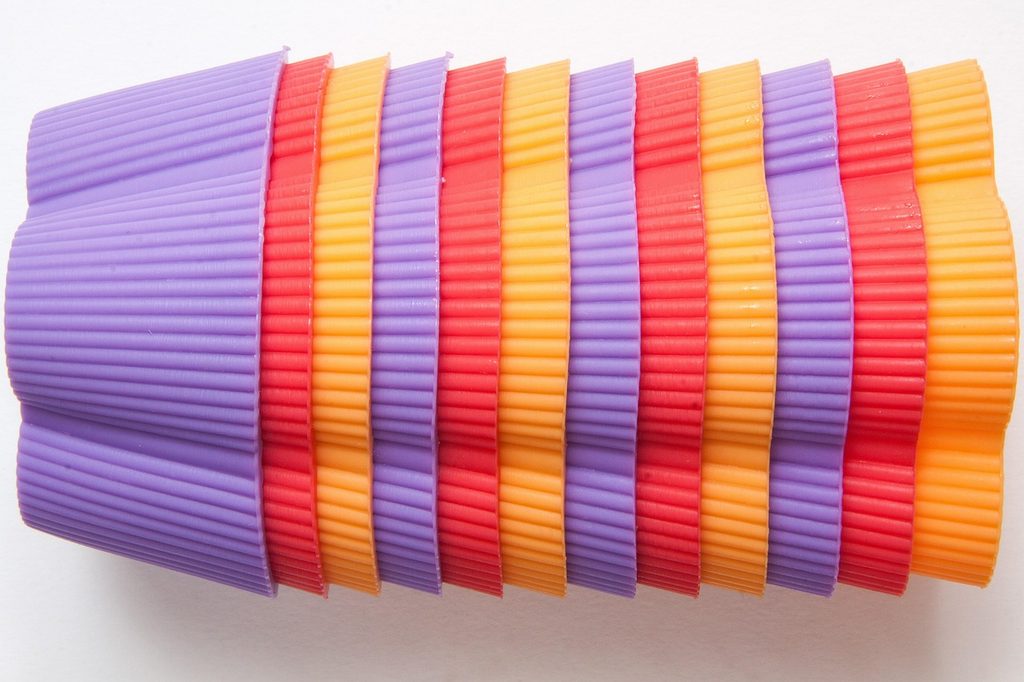
Like traditional baking tins and molds, you can have a lot of fun with silicone baking tools. Get your kids in the kitchen to bake sweet treats in the shapes of seasonal symbols, popular characters, hearts, stars, and more. And, once the muffins or cakes are done and cooled, they’re easy to pop out. This material also cools very quickly, so you don’t have to worry about your little ones burning their fingers.
The drawbacks
Sadly, however, it can’t be recycled, nor is it biodegradable, so although it isn’t as bad for the environment as single-use plastics, it’s not exactly the most eco-friendly option either. A bit temperamental, your silicone baking molds and cookware need to be completely dried prior to storing or they become prone to discoloration, stickiness, or other forms of deterioration.
Over time, your silicone bakeware may develop a greasy film that is difficult to remove, particularly if you use cooking spray. In this case, it’s best to pop it in the dishwasher for more vigorous cleaning. To get the job done yourself, hand wash the bakeware with a touch of baking soda to remove any lingering residue.
Is silicone safe to cook with?
With all the pros covered, you may be wondering: Is silicone safe to cook with? There’s a lot of misinformation out there about the toxicity of this material, so you’ll be happy to know it’s 100% safe and nontoxic. Even lower-quality silicone is safe to use because it’s chemically stable. It just might not be as durable as others.
Much of the concern about the safety of this material has to do with its other uses that aren’t related to food. This is a very versatile material, so it finds itself in adhesives, electrical insulation, beauty products, and medical implants.
So, while one form of the material, liquid silicone, may be safe for manufacturing parts, it should not be used for injections like lip fillers. Long story short, silicone comes in many forms, so be sure you’re only using the product for its intended purpose. Unlike products like Styrofoam, food-grade silicone is perfectly harmless for all of your baking needs.
Are silicone baking products worth it?
Now that we know this material is safe, it’s time to discuss whether it’s effective. The material of your baking tools has a large impact on the final result of your dishes, so keep in mind that food will cook differently on silicone than it would in tin pans.
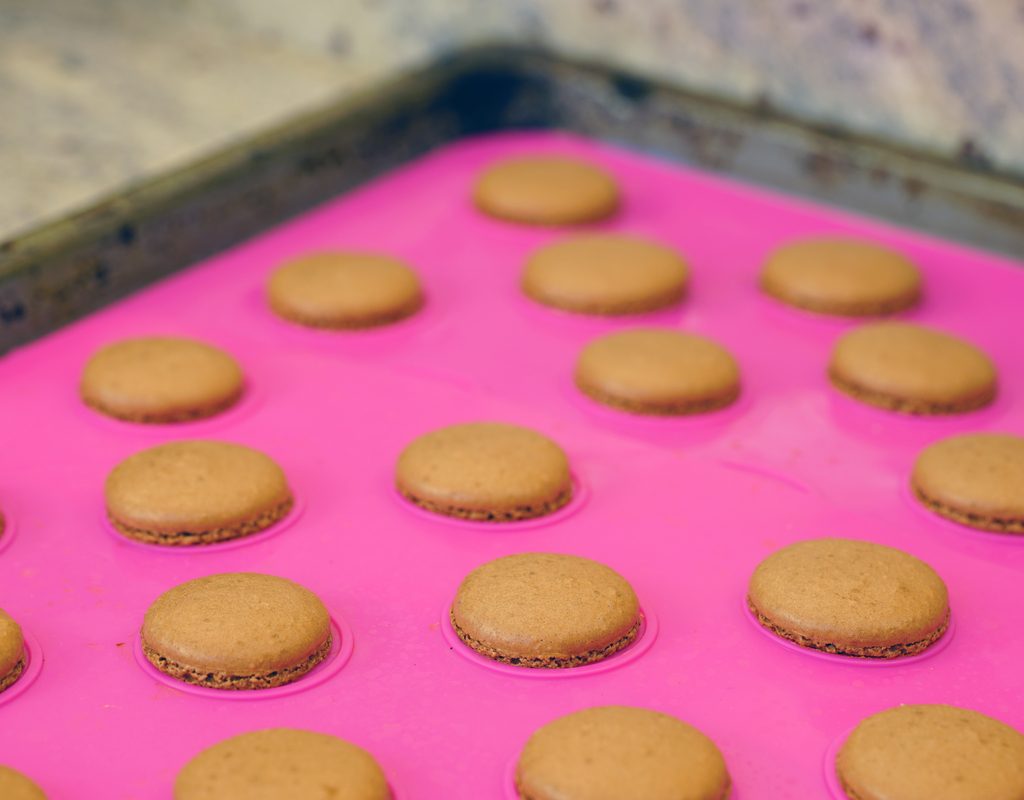
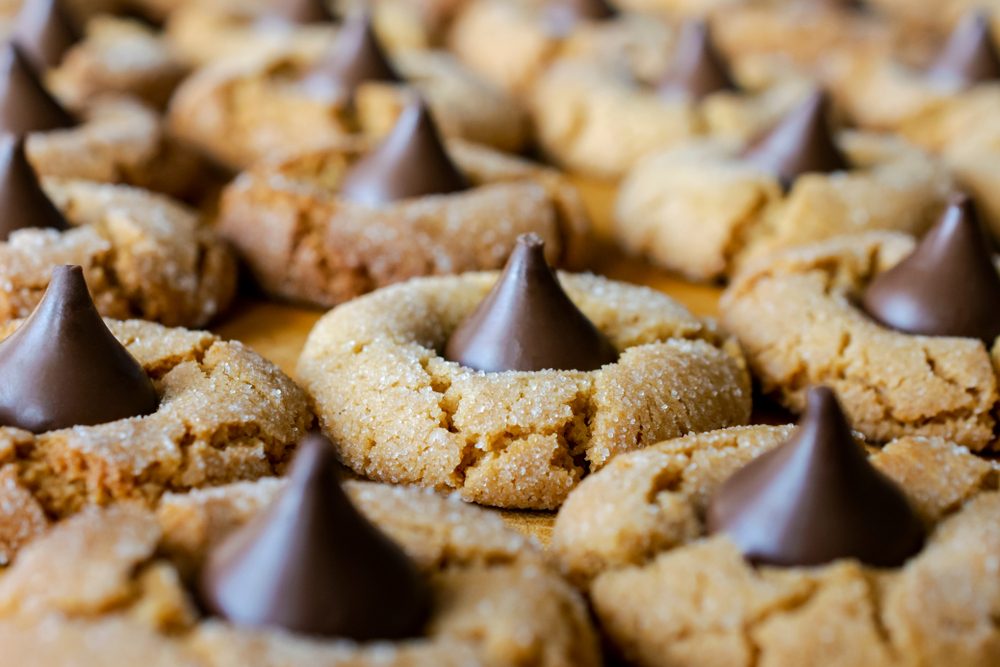
Cookies, for example, brown easily on this material because silicone conducts heat through the dough differently. Additionally, its nonstick surface makes the dough spread faster, bake quicker, and flatten more. Before you start baking, do a little research to determine what type of dish is best for your project.
How long does silicone bakeware last?
Silicone is a safe, easy-to-use, and inexpensive baking tool that more and more cooks are embracing. Just like with any tool, there are benefits and drawbacks, so determine its usefulness on a case-by-case basis to make sure you nail the recipe every time.