Gardening, in general, is a fun hobby and activity. It is an opportunity to connect with nature and grow your own flowers, vegetables, herbs, or fruit. You also can’t ignore the benefits of gardening to families. It’s a great way to get everyone involved, enabling you to spend some fun quality time together. However, if you aren’t interested in the traditional way of gardening or just want to switch things up, you can look into hydroponic gardening. This method of gardening is all about using water, not soil, to grow some incredible plants. It can make growing nearly anything easier if you lack that green thumb that gardeners are always talking about.
Check out what a hydroponic garden is and how to get one of your own, so you can explore all that it has to offer.

What is a hydroponic garden?
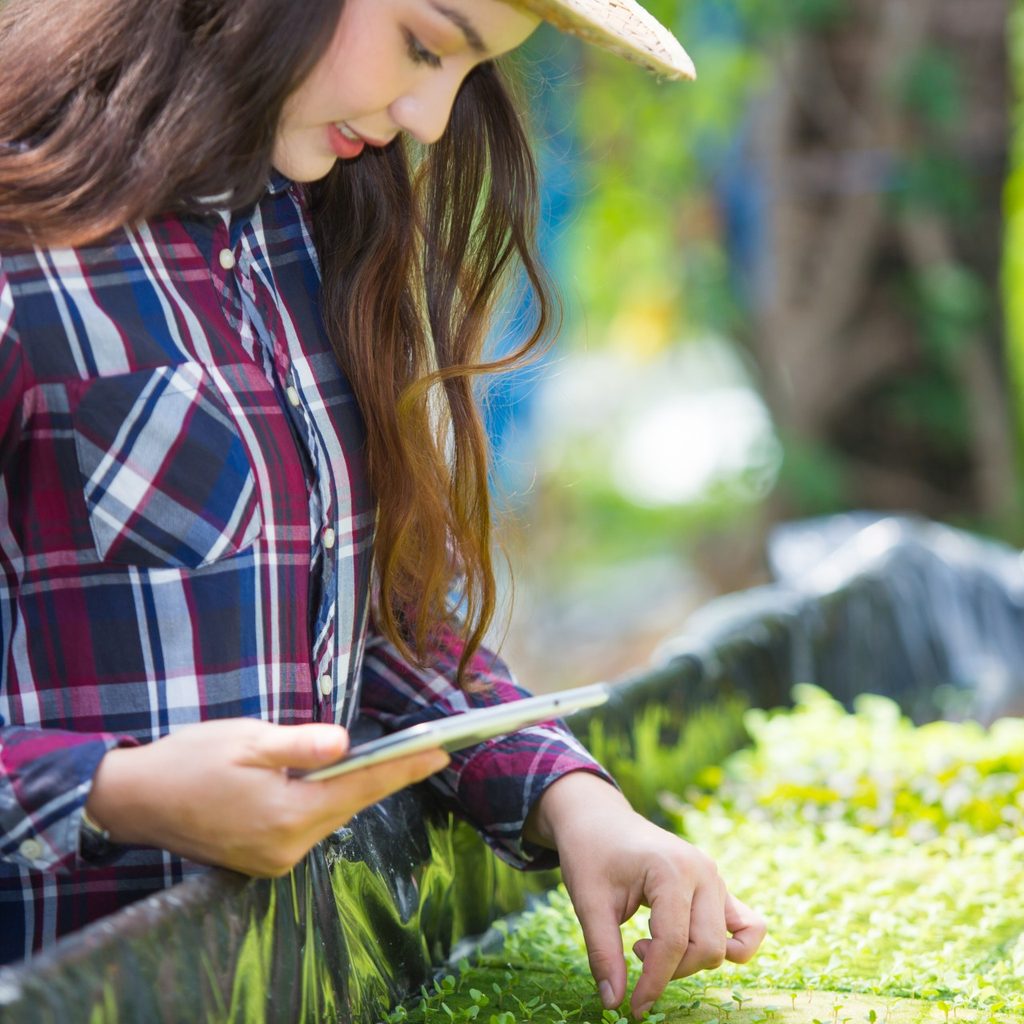
Essentially, hydroponic gardening is the method of growing plants without soil. A hydroponic gardening system allows plant roots to directly reach a nutrient-enriched, water-based solution. It is usually an indoor growing system, but it can be designed for use outside. It is typically beneficial to create an indoor hydroponic garden in either your home, sunroom, or greenhouse. This allows your plants to be exposed to ample light and also remain protected from pests and extreme weather. Hydroponic gardens can be as small as a few feet and fit comfortably in your home, or they can be hundreds of feet long and wide.
These versatile gardens allow you to grow edible plants with ease. Some of the most popular hydroponic garden plants to grow are: Lettuce, spinach, strawberries, bell peppers, and a variety of herbs. You can grow whatever you like with these incredible gardens, making them customizable to you and your desired plants.
The benefits of a hydroponic garden
There are many great benefits to getting a hydroponic garden of your own. Many say they are more effective than traditional soil gardening. Check out these benefits to decide if hydroponic gardening is right for you:
- Grow anywhere and anytime– Since hydroponic gardens are typically grown indoors, it is easy to grow whatever you want anywhere in your home and during any time of the year.
- Saves water– Hydroponic gardens use 20 times less water than traditional soil gardens. Green Our Planet states this about hydroponic gardening: “Up to 90% more efficient use of water.”
- No pesticides; organic growing– Since you have nearly no pests to worry about with this indoor garden, you don’t have to use pesticides to protect your plants from getting eaten. Pure Greens says, “While hydroponic systems don’t eradicate pest issues, it does lower the potential of this happening, resulting in less need for pesticides and herbicides.”
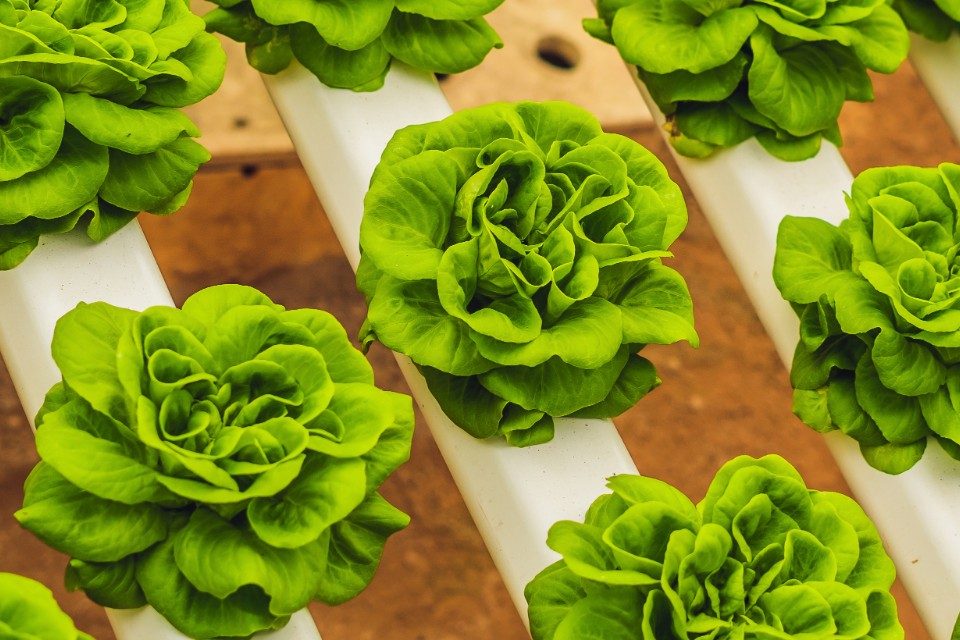
- Saves space– Hydroponic gardens pack in the plants tightly among irrigation pipes, saving space and allowing you to grow more.
- Reuse water– You can set up your hydroponic system to have a collection tank that reuses nutrient-rich water, ultimately saving you money while helping the environment.
- Easy harvesting– No more digging in the dirt with this great gardening system. You can easily and cleanly harvest your food anytime.
- No weeding, mulching, or pest control– Since there is no dirt to deal with, you never have to weed around the plants, mulch the exterior, or fight against pests.
- Maintain nutrient balance with ease– You can easily test the water anytime and assess the nutrient balance in order to make adjustments or maintain the water quality.
Who should have a hydroponic garden?
When it comes to deciding whether or not you should have a hydroponic garden, the main question to answer is: Do you want one? The trend of hydroponic gardening has grown and continues to grow over the years, making them more and more attainable for nearly anyone. If you have a little money, a little bit of space, and a desire for a hydroponic garden, then there is no reason not to get one. You will love the many great benefits of one of these gardens, as well as the functionality and practicality of them. You can buy a small version of these gardens for as little as $80 online. They are affordable, easy to use, and fun.
You can use them to grow delicious, organic vegetables and herbs in your very own home. No matter how much space you have, you can fit a small, convenient, and affordable hydroponic garden in nearly any room and enjoy the benefits of growing your own produce.
Gardening can seem impossible sometimes, especially if you deal with pests, have no outdoor space, or have a busy lifestyle. It can be difficult to maintain traditional soil gardens for many reasons, making gardening in general seem like a far reach. Luckily, due to growing trends and popularity, you can have a low-maintenance and convenient garden in your very own home. Hydroponic gardens are scalable to any level.
You can design a massive one for your backyard greenhouse, or buy a small one for a hallway table. No matter what size you get, you will love how easy they are to use. You can utilize a hydroponic garden to grow your favorite fruits, vegetables, and herbs all year round.