
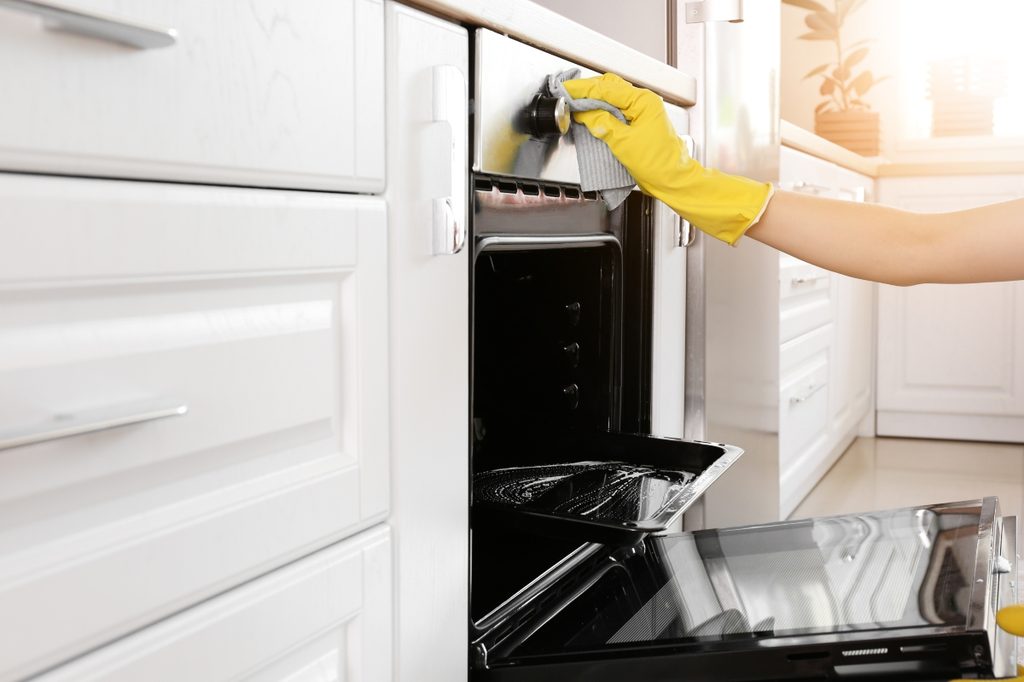
Keeping your oven clean is essential for maintaining a clean kitchen and ensuring your meals taste as delicious as they should. However, one often neglected aspect of oven maintenance is cleaning the oven racks. Over time, these racks can accumulate grease, grime, and baked-on residue, making them unsightly and potentially affecting food flavor. With the right methods and a little elbow grease, you can easily learn how to clean oven racks efficiently and restore them to their former glory.
How to clean oven racks with oven cleaner
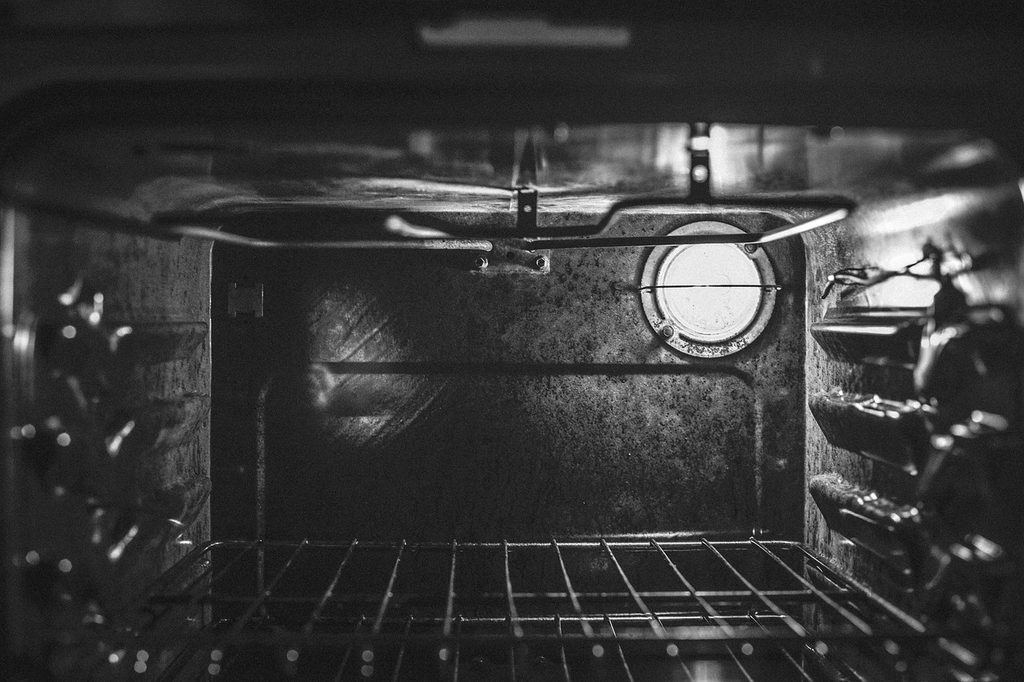
Oven cleaner is a potent solution designed specifically for cutting through tough grease and grime in ovens and on oven racks. You’ll need a large trash bag, rubber gloves, and a well-ventilated area.
- Remove the oven racks from your oven and place them inside a large trash bag.
- Spray the oven cleaner generously over the racks, ensuring they are thoroughly coated.
- Tie the trash bag securely, ensuring there are no gaps for fumes to escape.
- Allow the racks to sit in the sealed bag for about an hour.
- Carefully remove the racks from the bag and rinse them thoroughly with warm water.
- Dry them with a clean cloth before returning them to the oven.
While this method is highly effective, it does produce unpleasant fumes, so be sure to work in a well-ventilated area and wear gloves to protect your skin.
How to clean oven racks with Bar Keepers Friend
Bar Keepers Friend is a versatile cleaning product that can tackle even the toughest stains and grime. You’ll need the cleaner, water, a sponge, and gloves.
- In a small bowl, mix Bar Keepers Friend with water to create a thick paste that’s similar in consistency to peanut butter.
- Using a sponge or brush, spread the paste evenly over the surface of the oven racks, paying extra attention to any stubborn stains or buildup.
- Allow the paste to sit on the racks for about 45 minutes to penetrate the grime.
- Using a non-abrasive sponge or brush, scrub the racks thoroughly to remove the loosened dirt and residue.
- Rinse the racks with warm water to remove any remaining cleaner,
- Dry them thoroughly before reinserting them into the oven.
This method is highly effective at removing tough grime without producing excessive fumes, making it a popular choice.
How to clean oven racks with vinegar and baking soda
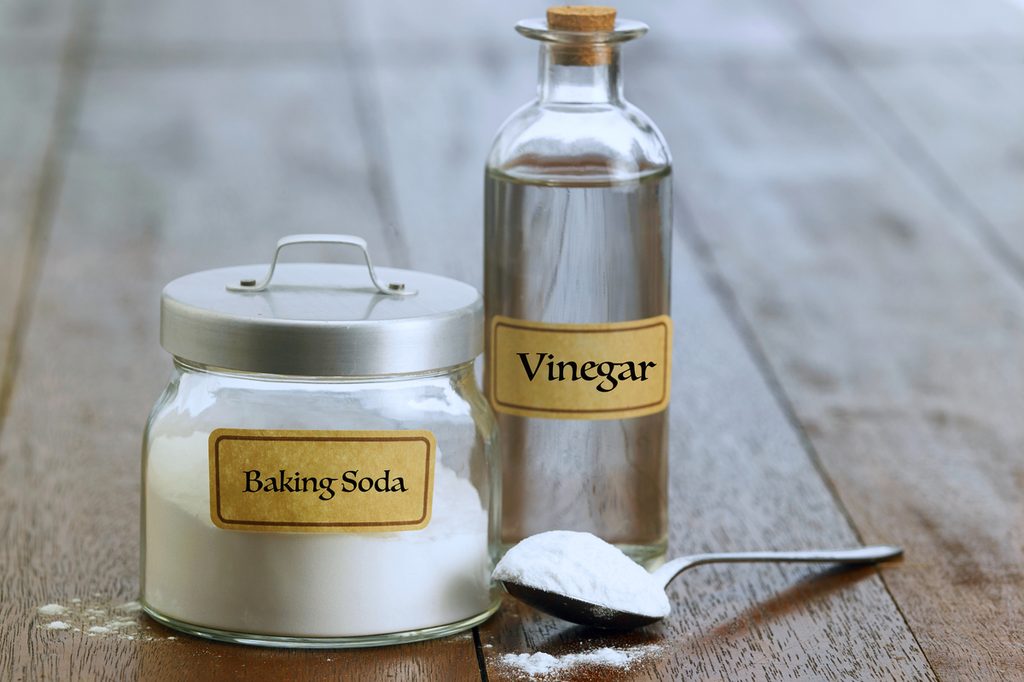
For those who prefer a more natural approach to cleaning, vinegar and baking soda offer a safe and effective solution. These household staples can help cut through grease and grime without the need for harsh chemicals.
- Place a clean towel on the bottom of a clean bathtub and place the oven racks on top of it.
- Fill the tub with warm water until the oven racks are just submerged.
- Add 2 cups of distilled white vinegar, followed by 1 cup of baking soda.
- Allow the mixture to sit on the racks for 2 hours, allowing the fizzing mixture to loosen the dirt and grime.
- Use a sponge or soft brush to scrub the racks if any grime remains.
- Rinse the racks with warm water to remove the cleaning solution.
- Dry them completely before returning them to the oven.
This method is the most natural way to clean oven racks and produces no toxic fumes, making it safe for you and your family.
How often should you clean your oven racks?
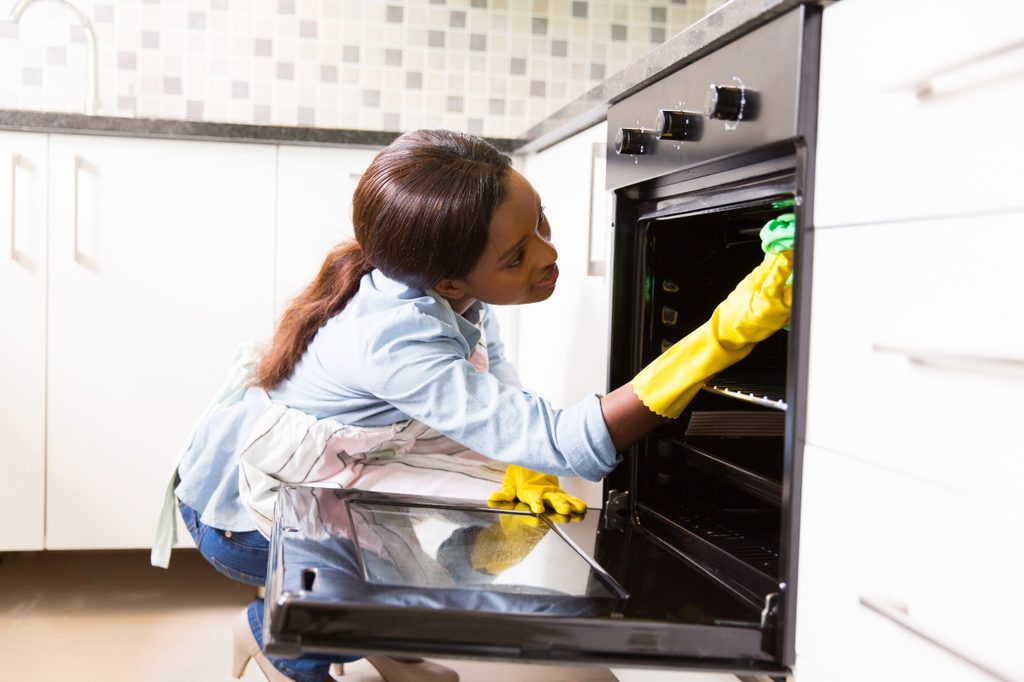
The frequency of cleaning your oven racks depends on how often you use your oven and how quickly they become dirty. As a general rule, aim to clean your oven racks every three to six months to prevent buildup and ensure optimal performance.
Tips for keeping oven racks clean for longer

- Place a baking sheet or aluminum foil beneath the food to catch spills and drips.
- Wipe down the oven racks with a damp cloth after each use to catch spills right away and prevent crusty buildup.
- Use a silicone oven liner to protect the racks from spills and drips.
- Regularly remove and clean oven racks to prevent grease and grime from accumulating.
Cleaning oven racks may seem like a daunting task, but with the right techniques and products, it can be a quick and straightforward process. Whether you prefer the efficiency of abrasive cleaners or a natural solution, there’s a method to suit every preference. By following these tips, you can keep your oven racks looking like new for years to come.