
A home is one’s sanctuary, and homeowners work hard to make their space reflect their style, interests, and preferences. With home DIY projects remaining steady in popularity, many homeowners tackle their own home improvement projects, whether it’s a quick weekend update or a full-fledged home renovation.
Unfortunately, a large portion of home DIYers underestimate the challenges and costs of their projects and are left frustrated, disappointed, or even panicked. According to a recent survey by Angi, more than 40% of homeowners said their DIY projects were more challenging and more expensive than expected. Considering the unforeseen issues that are prevalent in home renovation, is “doing it yourself” worth it?

Home DIY projects expectation vs. reality
The expectations of home DIY projects certainly don’t always match the reality for several reasons.
Unforeseen costs
Unforeseen circumstances are prevalent when DIYing and the overall cost of the project can climb pretty quickly. Redoing a task and repairing broken or damaged items requires you to spend more time and money on these little side projects.
More difficult than expected
Most people aren’t home improvement professionals and they may not understand the physical abilities needed for the work. They may not even have the tools required for the project, leading to a frustrating and difficult process.
More time consuming than expected
It’s a common tale. That weekend project presents unforeseen problems and turns into a month-long project. More hours have to be put in and homeowners have to deal with the irritation of living in a space that’s mid-renovation.
Less favorable project outcome
Again, since most homeowners aren’t necessarily professionals, the finished product is often less-than-perfect, leading to disappointment overall or costly re-dos of the project.
Benefits of home DIY projects
While home DIY projects can be challenging, there are plenty of reasons why people want to do them. Updates to your house can increase the market value of your property, and, by saving money on labor costs, give homeowners a great return on their investment.
Saves you money
More than 60% of the survey respondents cited cost as their reason for starting a DIY project instead of hiring a professional. Hiring a professional contractor costs a pretty penny, and you can remove a large portion of your project’s overall cost by performing some of the work yourself instead of paying someone else to do it.
Hones your skills
Some 47% of survey respondents cited wanting to learn a new skill. Many DIYers love taking on new projects in their home simply because it teaches them a new skill or refines their existing ones. As you grow these skills, you’ll find yourself calling the pros less and less every time you need to repair minor damage or refinish a piece of furniture.
Creates bonding experiences
According to the survey results, 45% of people were looking to spend time with their family. Whether you’re renovating the kitchen with your spouse or building a deck with your father-in-law, creating something from scratch with another person strengthens the bonds of camaraderie.
Makes life interesting
Never underestimate boredom: According to the survey, 56% of people began DIY projects because they were looking for something to do. Boredom often sets in on long weekends, after retirement, or when the kids go off to school in the fall. Instead of sitting in front of the TV, channel your energy into something active and productive.
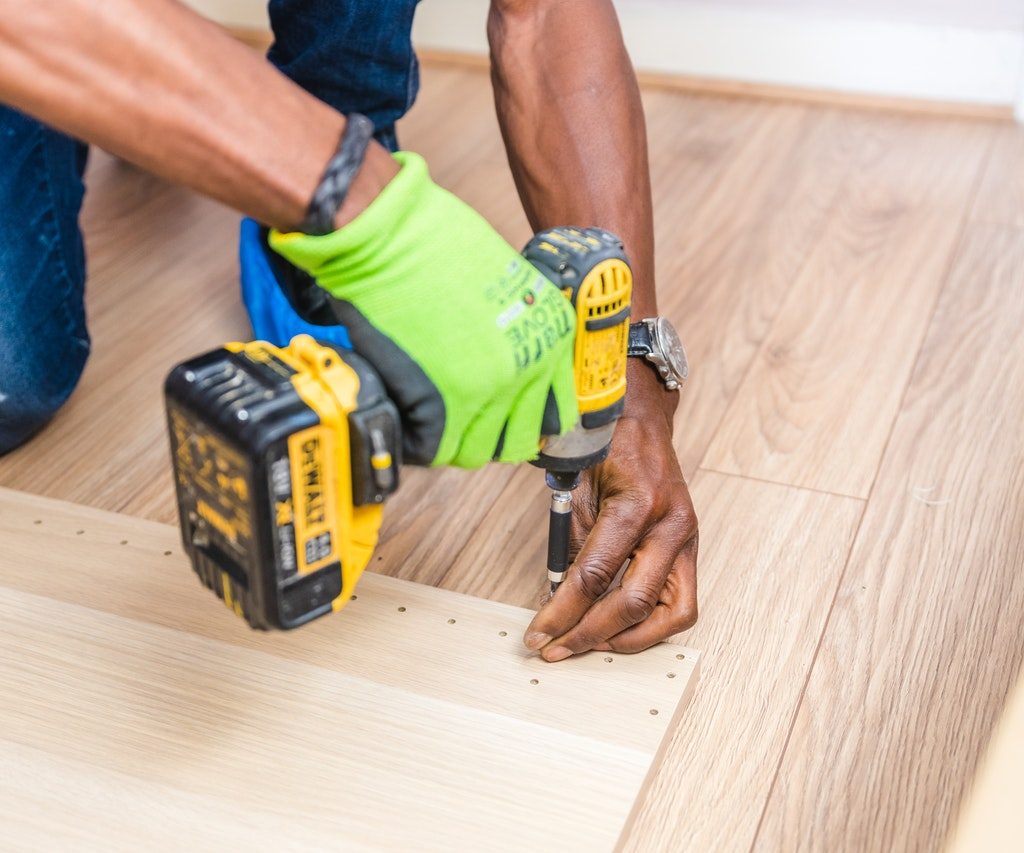
How to reduce challenges and costs in home DIY projects
While many DIYers experience unforeseen costs and challenges with their DIY projects, the good news is, there are ways you can reduce such headaches.
Research excessively
When it comes to researching, go overboard. This will reduce excess costs and prevent you from making the mistakes that result in additional time, money, and effort on your part.
- Watch videos of similar projects
- Read articles and blog posts regarding the timeframes for completion, best practices, tools required, etc.
- Compare the prices of materials in different home improvement stores in your area
- Reach out to a contractor for a quote to be sure your budget is accurate
Ask for help on complex aspects of the project
Don’t bite off more than you can chew. Enlist the help of friends or family members who have more experience. Not only will you have an extra set of hands, but you’ll also have access to the knowledge and experience of others. Even if they aren’t experts themselves, you can still learn from their previous mistakes and successes.
Schedule extra time for the project
Know that your project will likely take more time than anticipated, particularly if you’re newer to DIY. If you think the project will only take a weekend, schedule two or three weekends of work. If you think your project will take a month, plan for two.
Renovations and updates to your home not only increase the value of your property, but they also positively impact your quality of life. While home DIY projects have their benefits, there are also plenty of drawbacks and unexpected challenges. With the right tools, planning, and expectations, though, you’ll experience the satisfaction of a successful DIY project while minimizing the frustrations that come along with it.