
Since 1970, millions of Americans have celebrated Earth Day as a way to show support for environmental protection and educate the world about the disasters of climate change and environmental destruction. While that doesn’t sound so good — and it’s not — Earth Day isn’t a time for doom and gloom, but rather the perfect day to get your young family members interested in protecting and caring for our planet. These are our favorite ways to get the whole family involved in Earth Day festivities for a meaningful and fun day.
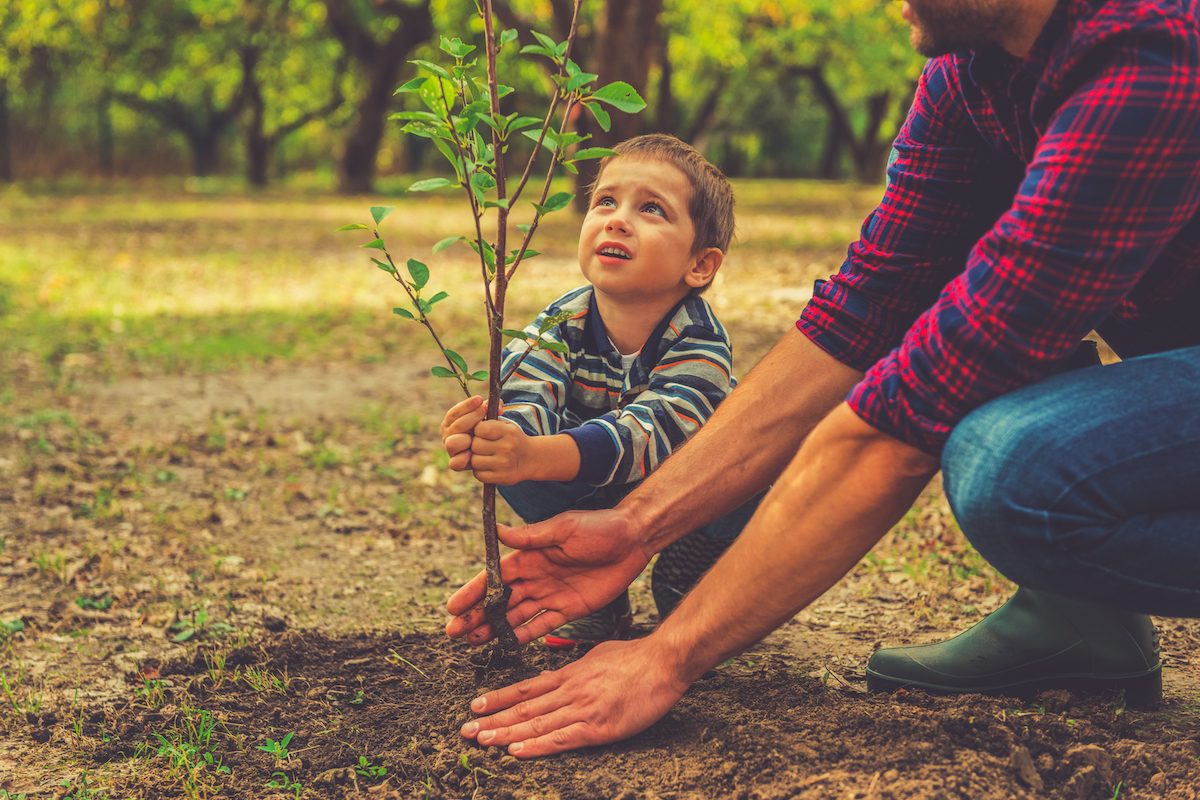
Plant a tree
Planting a tree (or three) is one the most popular Earth Day family activities—and for good reason. Trees act as barrier against winter winds and provide shade in the summer, and they also improve air quality and reduce greenhouse gasses by absorbing carbon dioxide. Plus, they make any outdoor space look amazing!
If you don’t have the time, space or ability to plant a tree in your yard, look outside your own backyard; many local and community organizations host tree-planting events for Earth Day, and there are reputable organizations like One Tree Planted that plants trees on behalf of donors.
Make a bird feeder
Building a backyard birdhouse or bird feeder is another timeless project for you and your kids to do together. You’re providing a respite for birds to eat, sleep, and stay connected with other neighborhood birds, and you’re also drawing birds to your backyard, which can provide hours of entertainment for both kids and pets. Plus, kids love building things, and you can find kits at most hardware stores that can walk you through the process with relative ease — no handyman skills required. In fact, you can build a bird feeder out of something as simple as a milk carton.
Attend an Earth Day event
If you want your kids to get a sense of the community at large, bring them to a local Earth Day event. EarthDay.org has a by-state list of events that you and your family can participate in, like tree planting, planting a community garden, educational sessions, and community pick-ups. It gives families a chance to connect and be a part of a collective effort towards protecting the area where they live.

Find a family-friendly documentary
You’d be surprised how much you can learn while streaming a movie or TV show — there are so many educational and informative documentaries available that kids of all ages will enjoy (and adults too). English broadcaster and historian David Attenborough has released several mini-series and documentaries about conservation, recycling and the impacts of global warming on our planet. Planet Earth is one of his most popular, and he has a new series called A Perfect Planet centered around how the forces of nature shape and support the planet on which we live.
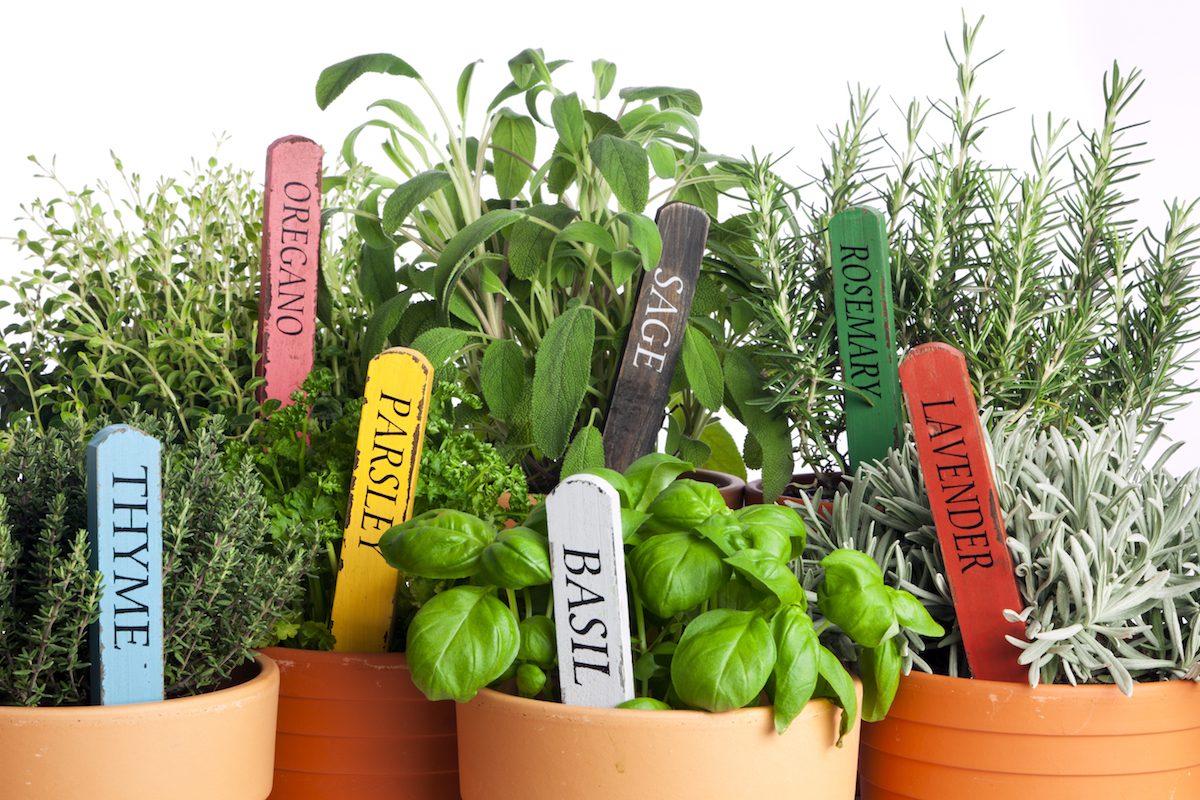
Start an herb garden
Springtime is the perfect chance to grow your own herb garden. They don’t take up a ton of space, they are relatively cheap to buy, and kids love getting their hands dirty. It also shows kids the sustainability of growing their own foods and not relying on manufacturers — many of which don’t follow environmentally-safe practices — for their food. Once they are grown, you can have a cooking day and show them how each herb can be used.
This Earth Day, it’s time to get out in nature, do something good for the environment, and teach your kids about the importance of taking care of Mother Earth. Earth Day is just one day to remind people that climate change is real, and if we all don’t do our part—all year round—it can have devastating impacts on how we live. Getting kids invested from an early age can make them life-long advocates for our planet, and that is an excellent thing.