Even with regular cleaning, homes have a way of building up clutter and mess, and they can all benefit from a good deep cleaning from time to time. A thorough cleaning gives you the chance to address the areas and issues you wouldn’t normally clean, ensuring your home gets scrubbed from top to bottom. But how often should you be doing this, and how can you complete this thorough cleaning without getting overwhelmed? Here’s what you need to know to get your home clean from the inside out so you and your family can enjoy a healthier, tidier space.
Understanding the deep clean
“Deep cleaning” refers to the process of doing a thorough, detailed cleaning of a specific room in your home — or even of your whole home. This means tackling the tasks that might get overlooked by your regular cleaning routine, like scrubbing the gunk out of your windowsills or going through your kitchen cabinets to throw out expired items and cleaning all of those corners and crevices.
Doing a deep cleaning of even a single room can be tiring, but it has its benefits, too. You’ll have the satisfaction of knowing that your home is truly clean, and by removing things like dust and mold, you’ll be making your home safer for your whole family.
Preparing for the deep clean
Deep cleaning your entire house is an overwhelming task, so don’t go in with the goal of cleaning the entire house. Instead, break your chores down into smaller steps, like deep cleaning a single room or cleaning a certain part of the room, like cleaning the fridge and freezer.
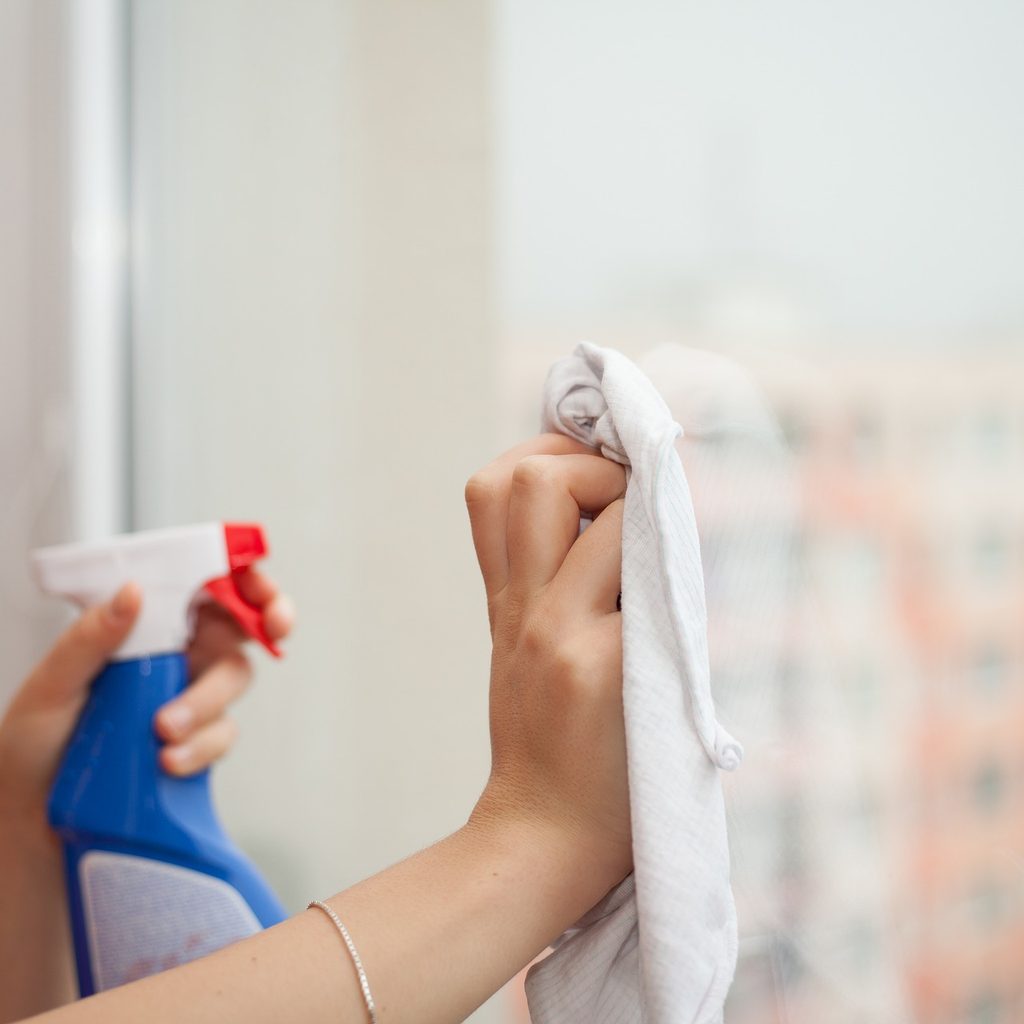
Make sure that you’re prepared with all of the cleaning supplies that you’ll need. Make a to-do list for each area that you’ll clean and think about what you’ll need to accomplish each task. Having all of your supplies ready and laid out can help to make the process easier and faster. In addition to standards like bleach, disinfectants, vinegar, sponges, scrub brushes, brooms, and a vacuum, you may benefit from additional supplies like a toothbrush for scrubbing out small spaces, a razor blade to help scrape gunk off of windows, extra trash bags, rubber gloves, and more.
To increase your chances of success, keep the job manageable and only do as much cleaning as you have the time and energy to handle. Set the mood with some high-energy music, and consider promising yourself a reward after the job is done.
Finding an accountability partner can help you to stay motivated, too. Try to find a friend who’s willing to deep clean their house, too, so you can check in with each other about your progress and motivate each other to keep going.
Deep cleaning ideas
If you’re looking to get started deep cleaning, these ideas can help you come up with a to-do list:
Living room
- Clean windows, vacuum out windowsills, wash window treatments
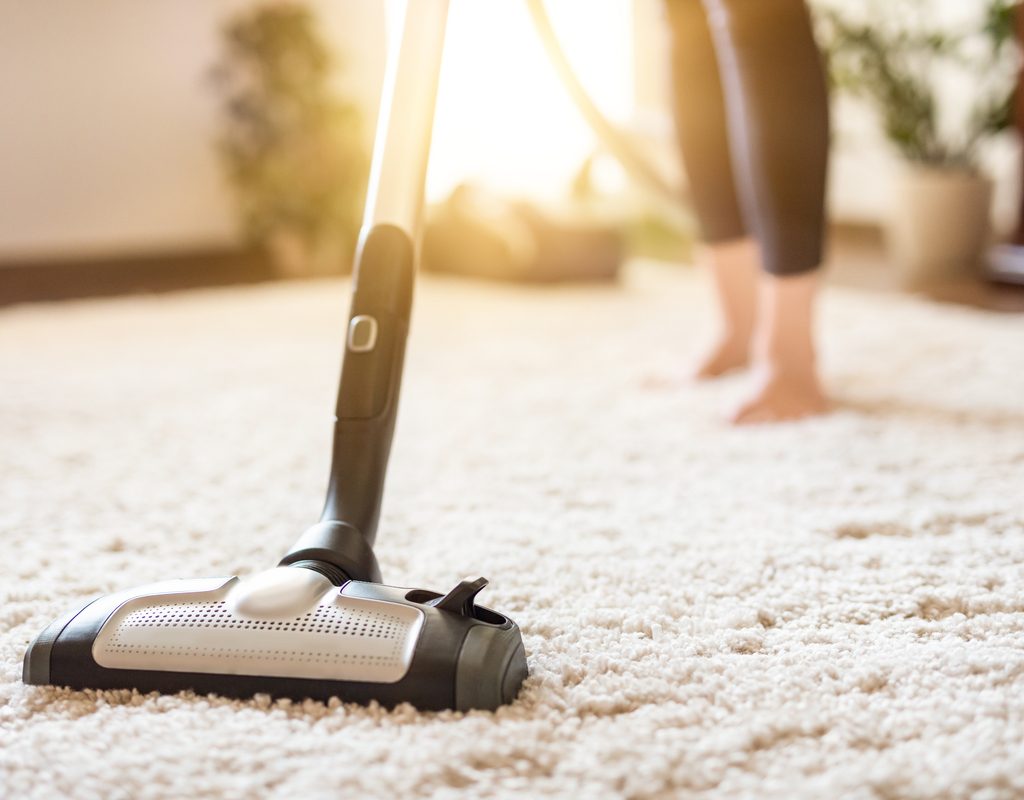
- Vacuum rugs and vacuum and wash floors, moving furniture to access the dust that’s gathered behind it
- Wipe down baseboards and heating elements
- Vacuum underneath chairs and couch cushions
- Dust all your décor and electronics
- Polish wooden furniture
Kitchen
- Throw out any expired food from your fridge, freezer, and cupboards
- Defrost your freezer and clean the fridge and freezer inside and out
- Wipe down cupboards inside and out
- Clean your oven and microwave
- Wipe your countertops
Bathroom
- Scrub your shower, tub, toilet, sink, and other surfaces
- Change out your shower curtain or clean your shower doors
- Wash bath mats and towels
- Wipe down drawers in storage units and closet shelves
- Clean light fixtures and mirrors
- Scrub tile grout
Bedrooms
- Wash all of your bedding and window treatments
- Vacuum and mop floors and carpets
- Organize closet, getting rid of items you no longer wear, and storing away items that aren’t in season
- Rotate and flip your mattress
- Dust all surfaces, including ceiling fans and heating elements
- Polish wood furniture, including your headboard
- Vacuum out end table drawers
- Clean windows and mirrors
After the cleaning
If you’re going through drawers, storage units, and closets, you may find many items that you no longer need or want. Have a plan in place for what you’ll do with these items. You might hold a yard sale, donate them to a nonprofit, sell them online, give them to friends, or have some other solution.
Regardless of what you plan to do with those items, you’ll need a place to store and collect them until you can get rid of them. Some organizations will even come and pick up donations, so check with local nonprofits to see if that’s a possibility that could save you transportation time.
Being ready with cardboard boxes or large trash bags can make it easier to collect and organize those items. Consider giving yourself a deadline to get rid of the items to help keep you motivated even after you’re done cleaning.
The decision: To deep clean or not
Deep cleaning requires some work, but it can also be highly rewarding. You’ll enjoy the satisfaction of knowing that your home is really, truly clean from top to bottom. As you deep clean, you’ll probably declutter some spaces and get rid of items that you no longer need, which is rewarding and can reduce your stress. After your cleaning is done, you’ll be able to sit back and enjoy your beautiful home with your family, knowing that your hard work has made it a better, healthier place. An occasional deep-clean is definitely worth the effort, especially if you take the process in stages so you don’t get overwhelmed.