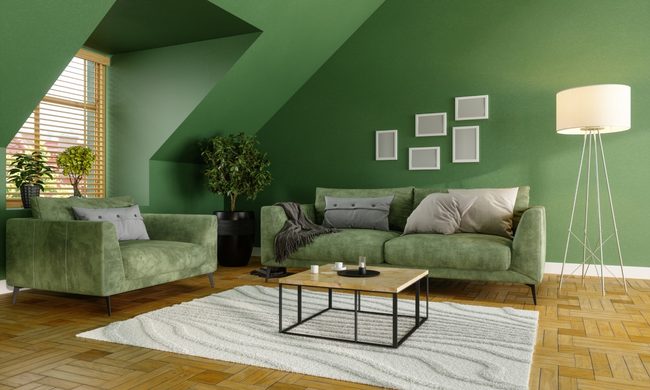
The decluttering trend is all the rage right now, with people extolling the virtues of an organized home that only contains the necessities. But the benefits of decluttering and getting organized extend far beyond the ease of being able to find what you need when you need it. Clearing out your clutter may also improve your mental health.
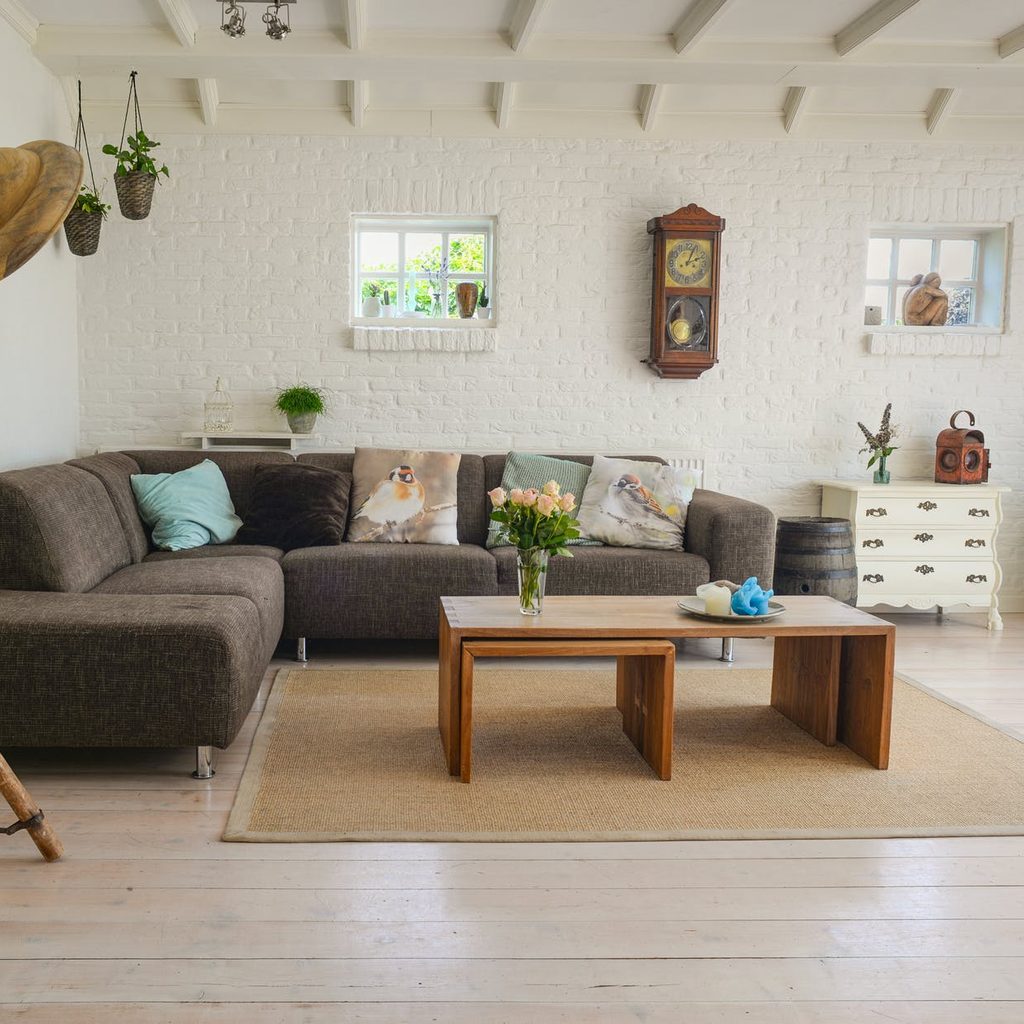
How a cluttered home can contribute to anxiety
A messy or cluttered home is associated with high levels of the stress hormone cortisol. Messiness can contribute to chronic stress, tension, irritability, and anxiety, so if you already have anxiety, living in an unkempt house can worsen your symptoms.
“I think that our environment often is a reflection of our internal reality and vice versa,” Rachel Baker, a clinical social worker, said. “If one is cluttered, it can be difficult to declutter the other.”
Gianna LaLota, MHC-LP of NYC Cognitive Therapy, agreed. “Our external environment is a good reflection of our internal world” she added. “Physical clutter can contribute to feelings of mental clutter.”
“When there is clutter, my brain is using small amounts of energy to attend to those items,” Baker said. “We need energy to deal with anxiety and mental health in general. In a cluttered home, there is less energy to put toward being in a better place.”
How clutter can negatively impact your day-to-day life
According to Dr. Meredith Ruden, Clinical Director at City Center Psychotherapy, when you look around a cluttered house, your brain can interpret the disarray as “one more thing you think you should do.” Whether you notice it or not, your brain is adding things to your already lengthy to-do list.
Clutter can also be a distraction. “The pandemic has added a layer as a result of living and working in our homes,” Ruden noted. “A sense of disorderliness in work-life can be unsettling.”
Therefore, at the end of a long day, messiness in your home can prevent you from fully relaxing and enjoying your downtime. When things are strewn about the room, it also makes it difficult to find the space to do your favorite stress-relieving activities, such as yoga, arts and crafts, or cooking.
With a disorderly home, you may be reluctant to have guests over, so if someone drops by unexpectedly, that may trigger a wave of anxiety since you feel unprepared to host.
Clutter can also waste your money. You may think you’re out of something and buy more without realizing that you already had it stocked in a cabinet — you just couldn’t find it. Spending money unnecessarily is just one more factor that may contribute to your stress.
How decluttering can ease anxiety
Decluttering isn’t a sure-fire way to eliminate anxiety, but it can help. “We just feel calmer when our environment is calm,” Baker said. “As human beings, we like order and routine. We like things to be in their place. When things are decluttered, we are able to just take a breath.”
“It’s important for us as humans to have a good mix of tasks that are enjoyable and tasks that give us a sense of accomplishment,” LaLota noted.
That being said, decluttering and organizing your house can empower you, giving you a sense of control, even if it’s just in one area of your life. “With anxiety, there is often a large focus on things that are outside my control,” Baker said. “By decluttering my environment, I actually have control and spend less energy trying to control things I can’t control.”
After decluttering, people “can feel more empowered, more in control, more orderly,” Ruden said. “It can be one thing that they can build upon. If you feel more organized and empowered in one area of your life, it can impact other areas.” If you’re feeling unmotivated at work, try cleaning up your workspace. Likely, that dose of productivity will lead to increased efficiency and an overall improvement in the quality of your work.
Going overboard can be detrimental, Ruden cautioned. “If you are cleaning as a way to avoid an anxious feeling compulsively, it is not a healthy coping mechanism.”
Set realistic expectations
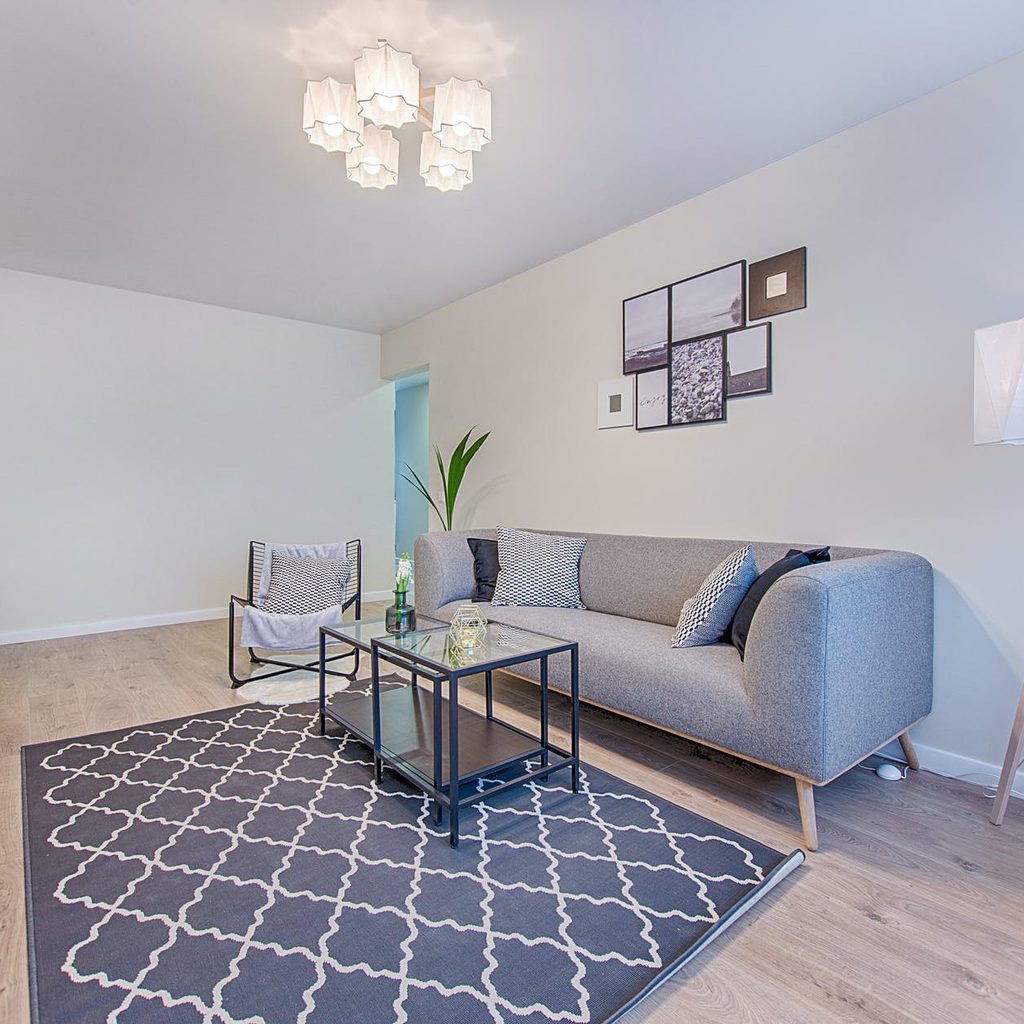
Looking at attractive, clutter-free homes on social media may inspire you, but the perfectly designed and staged homes may just stress you out even more. A real house, especially one occupied by a family with young kids, will rarely look like the pictures in magazines and on Instagram. If you find that comparing your home to those of others doesn’t provide inspiration but, instead, makes you feel worse about your situation, it’s time to unplug. Set your own expectations according to your lifestyle and personal goals, not these carefully curated images.
How to approach decluttering
When organizing your home, it’s important to do it in a way that works for you. You may want to try Marie Kondo’s method, which involves devoting a block of time to decluttering so you can get it all done quickly. On the other hand, many people just don’t have the time to spend an entire weekend tidying up, and that’s okay.
Baker, LaLota, and Ruden all recommend dividing the task into a series of more manageable steps. For example, you may decide to tackle one room at a time and work section by section. If you work best with short bursts of productivity, consider allocating a limited amount of time to declutter, and do as much as you can in that timeframe. Even if you only devote a small amount of time to decluttering each day, you’ll be surprised by how much you can accomplish and may even feel your self-esteem improve.
“Set yourself up for success by making sure that the small steps you want to take toward decluttering feel achievable,” Baker advised. “Don’t let perfectionism get in the way. Anxiety and perfectionism go hand in hand.”
Decluttering an entire house or apartment can be a daunting task, but you don’t have to tackle it alone. You may want to ask some family members and friends to come over and help, or you may prefer to seek assistance from a professional organizer who can help you figure out which items to keep and how to organize them.
How to cope with the anxiety of letting go
Getting rid of items you’ve owned for years may make you feel more anxious, even if you know that decluttering is in your best interest. LaLota noted that people have difficulty parting with objects for different reasons, so the strategies used to cope with anxiety will be different as well.
If the object has sentimental value, “Honor the feelings that come with it. Work through memories associated with it,” LaLota advised. Baker agreed, noting the importance of “being able to reframe sentimental value.” She suggested considering that the item served its purpose, and now it’s time to move into a new phase.
People also find it hard to get rid of objects because they think they might need them someday. “Most everything we can get back again,” Baker noted. “It will feel uncomfortable, but just because it feels uncomfortable doesn’t mean it’s a bad thing to let it go.”
Ruden suggested taking a cognitive-behavioral approach if the thought of throwing away, selling, or donating things triggers feelings of anxiety or panic. Try to “uncover the beliefs underneath those automatic thoughts.” If you have a deep and emotional connection to a lot of objects, it might be worth exploring why you attach so much meaning to objects, especially if you feel so strongly about all of your belongings.
Focus on keeping things organized
Once you clear out the clutter, you’ll need to keep your house from becoming messy all over again. Understanding where you’ve had problems in the past can help you avoid repeating them in the future. As you clean and organize, note the areas where clutter tends to accumulate and keep a close eye on those spaces in the future.
Ruden recommended that you “think of a system and build on that system. Make it mindless to maintain order.” To stay on track, you should “start to create new habits and new attachments to objects,” she said. This means shifting your mindset away from sentimentality and toward functionality. Before you buy something, ask yourself if you would use it enough to make the purchase worthwhile. It seems like an obvious question, but it’s one that we don’t ask ourselves enough.
Make sure every item in your home has a place where it belongs. Get rid of junk mail, receipts, and other things you don’t need as quickly as possible so clutter doesn’t gradually creep back in.
To maintain all of your hard work, make cleaning up after yourself a good habit. Even taking 10 or 15 minutes per day to tidy up can keep your home from descending into chaos again. You can give the house a more thorough cleaning once a week, or according to whatever timeline works best for you and your lifestyle.
Take action to deal with anxiety
You don’t have to declutter your entire home in one day or even one weekend. If you try to do too much too fast, you’ll probably feel overwhelmed, and that sense of burnout will just further dampen your motivation. Instead, commit to decluttering following a timeframe that works for you, and, most importantly, don’t hesitate to ask for help if you need it.
If you’re struggling to cope with anxiety or the thought of cleaning triggers feelings of anxiety or panic, one of these mental health resources may be able to help:
- Anxiety & Depression Association of America
- National Council for Mental Wellbeing
- National Institute of Mental Health
- National Alliance on Mental Illness
- Mental Health America
- Dr. Samuel
By decluttering your home, you can give yourself a little peace of mind. It doesn’t have to be a big project, and every little bit helps.
The information within this article is not intended to be medical advice. Before starting any diet or exercise routine, consult your physician. If you don’t have a primary care physician, the United States Health & Human Services department has a free online tool that can help you locate a clinic in your area. We are not medical professionals, have not verified or vetted any programs, and in no way intend our content to be anything more than informative and inspiring.