  1. Home
  2. Hacks & How-to's
  3. Evergreens

The best plant food

Plant food is essential to well-developed, mature plants. Without crucial nutrients, plants can’t thrive with just water and sunlight alone. To help you decide on the best plant food for your garden, we’ve created this list of the best ones available.

Proper plant nutrition depends on three nutrients mixed in with your soil — nitrogen, phosphorus, and potassium. In a nutshell, nitrogen keeps leaves and stems green and alive; phosphorus helps the plant mature and develop; and potassium promotes crucial plant processes like photosynthesis. Other nutrients help plants grow to their full potential, but plant feeding actually depends on a plant’s specific needs. For instance, a flower has different needs from a young tree. So let’s check out the best plant foods to see which type might be best for you.

Miracle-Gro All Purpose Plant Food

Best plant food overall
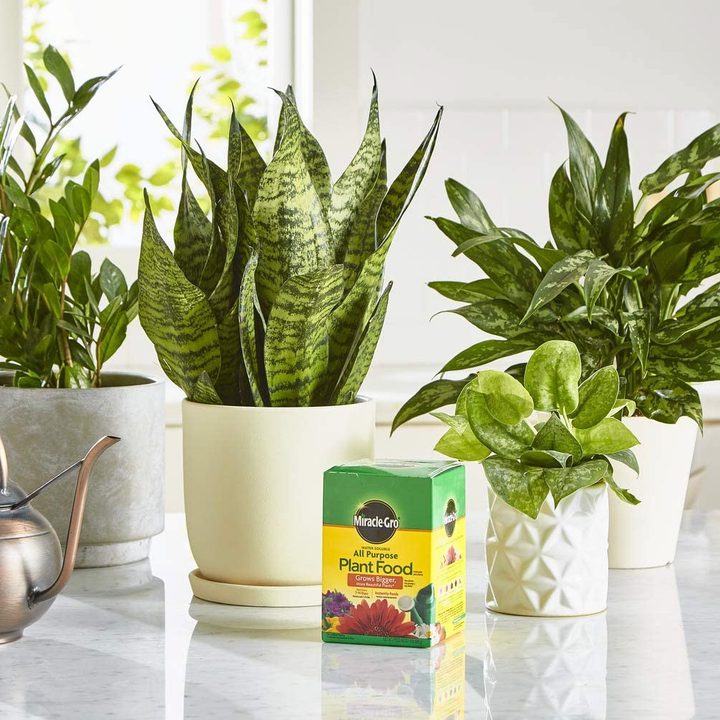
Image used with permission by copyright holder

If you have a large garden with a wide variety of plants, consider the Miracle-Gro All Purpose Plant Food, which is compatible with all flowers, trees, and even houseplants. To apply, use a Miracle-Gro Garden Feeder (sold separately) or a water can. One box covers 600 square feet of plants and soil.

Osmocote Flower & Vegetable Food

Best for flowers
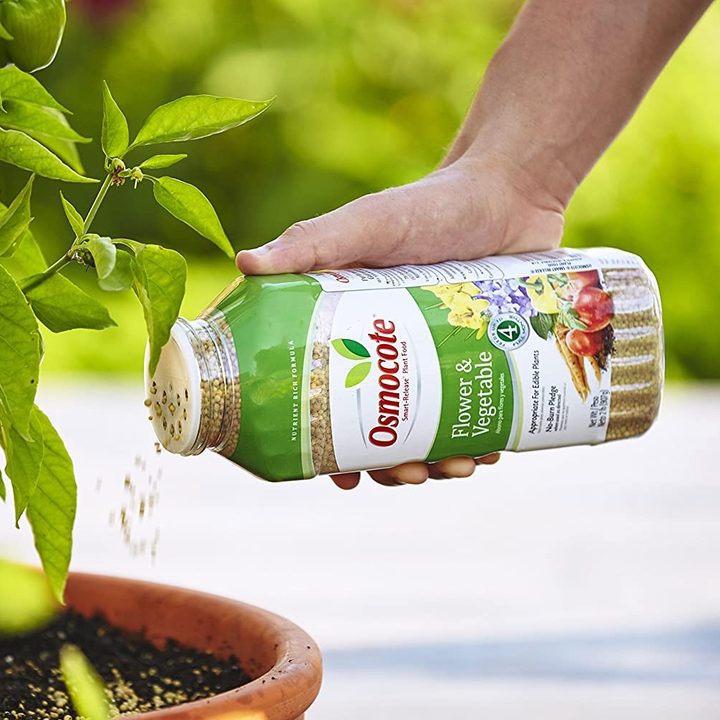
Image used with permission by copyright holder

Osmocote’s plant nutrition is best for flower gardens to achieve vibrant blossoms and strong roots. This plant food features smart-release granules that dissolve slowly to provide continuous nutrition. One application lasts up to four months — simply mix plant food into soil and reapply when time is up.

EarthPods Premium Indoor Plant Food

Best eco-friendly plant food
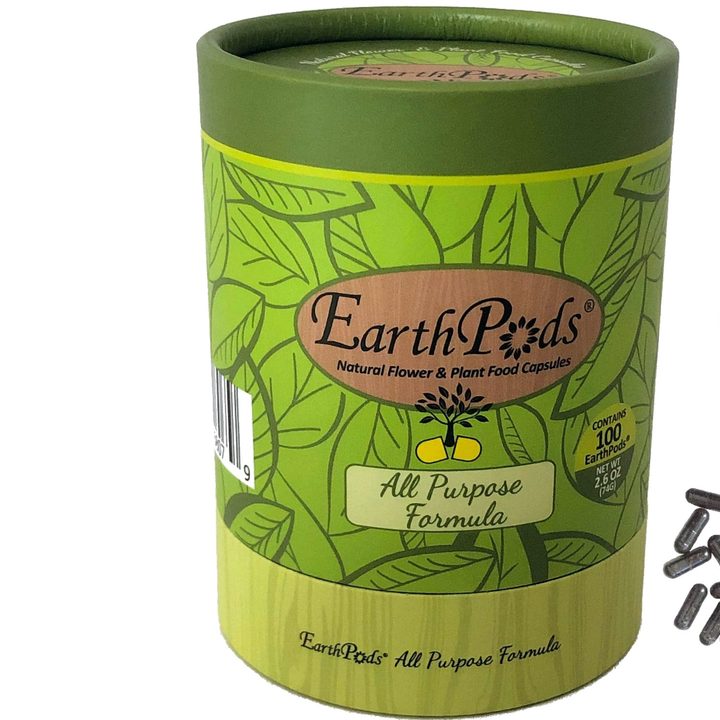
Image used with permission by copyright holder

Earthworm Technologies crafted EarthPods — the environmentally friendly potted plant food. One can holds 100 capsules, which is a five-year supply for one plant. To apply, insert the EarthPod down to the root plant and water. The U.S.-made can is recyclable and printed with vegetable inks.

There is a wide variety of plant foods available. Making sure your plants have access to the right nutrients ensures their long-term health and robustness. Many plant foods are versatile like Miracle-Gro’s All Purpose Plant Food and Earthworm Technologies’ concentrated capsules. If you aren’t sure what type of food your plant needs, these all-purpose options are the ideal choice. If you want to feed your flower beds, consider more-specialized nutrition like Osmocote’s smart-release plant and flower food.

How to Style a Coffee Table That Feels Collected, Not Cluttered
Plant, Furniture, Table

A well styled coffee table can make your formal living room stand out and should feel intentional, considered and appropriately arranged. The goal is balance, and it should support the room rather than compete with it.

Start with a foundation. Use one or two large books to ground the arrangement. Choose books with substantial covers that reflect the palette of the room, whether neutral or tonal, and complement the space. Stack them rather than spreading them out. This creates structure and gives everything else a place to sit.

Read more
Flowers From the Garden: A Summer Centerpiece Method
Flower, Flower Arrangement, Plant

A simple, season led approach to summer florals, built on what is in bloom rather than what is in stock.

There is a particular generosity to summer that no other season offers. The garden is full and the flower markets overflow. The roadside stands begin to set out buckets of zinnias and dahlias by mid June and July. The backyard, once an afterthought, begins to feel like an extension of the home itself. The question is no longer whether to bring flowers into the house, but how often.

Read more
The Easiest Way to Set the Table
Cutlery, Fork, Spoon

Have you ever wondered why the fork sits on the left and the knife on the right? Or why Europeans eat “Continental style,” holding the fork in their left hand and the knife in their right, while Americans cut, switch hands, and then eat? It turns out there’s a reason for all of it, and once you understand the history, setting the table suddenly feels far less mysterious. Before beautifully layered place settings and Pinterest-worthy tablescapes, dining was far more practical. Medieval feasts were less about etiquette and more about survival. Plates were often shared, forks were nonexistent, and eating with your hands was the normal standard. Tables were filled with trenchers (pieces of bread used as plates), and the idea of “proper placement” simply didn’t exist.

By the mid-to-late 1800s (around 1860–1870), European dining evolved again as meals began to be served in courses. This shift introduced what became known as the Russian style of dining, where utensils were laid out intentionally and used from the outside in. The fork stayed in the left hand, the knife in the right, and the table itself began to reflect structure, rhythm, and order. This approach eventually became the “Continental style” still used across much of Europe today.

Read more