
So, you’ve just bought yourself an air fryer, or you’re considering getting one, that’s great! If you’re new to air frying, it’s okay if you aren’t sure where to start. We’ll walk you through some of our best tips for beginners to air frying in this miniature guide. Once you get the hang of it, we promise your new air fryer will become your favorite kitchen gadget!
What does an air fryer do?
The air fryer is less like a fryer and more similar to an oven. Essentially, the appliance works by heating the interior basket with hot air. There are no exposed coils like a traditional oven. Additionally, there’s no need for fatty deep-fry oil to make tasty fried treats.
Instead, all you need is a little bit of light oil, your air fryer, and a bit of creativity to make delicious home cooked meals that are far healthier than food from a traditional deep fryer.
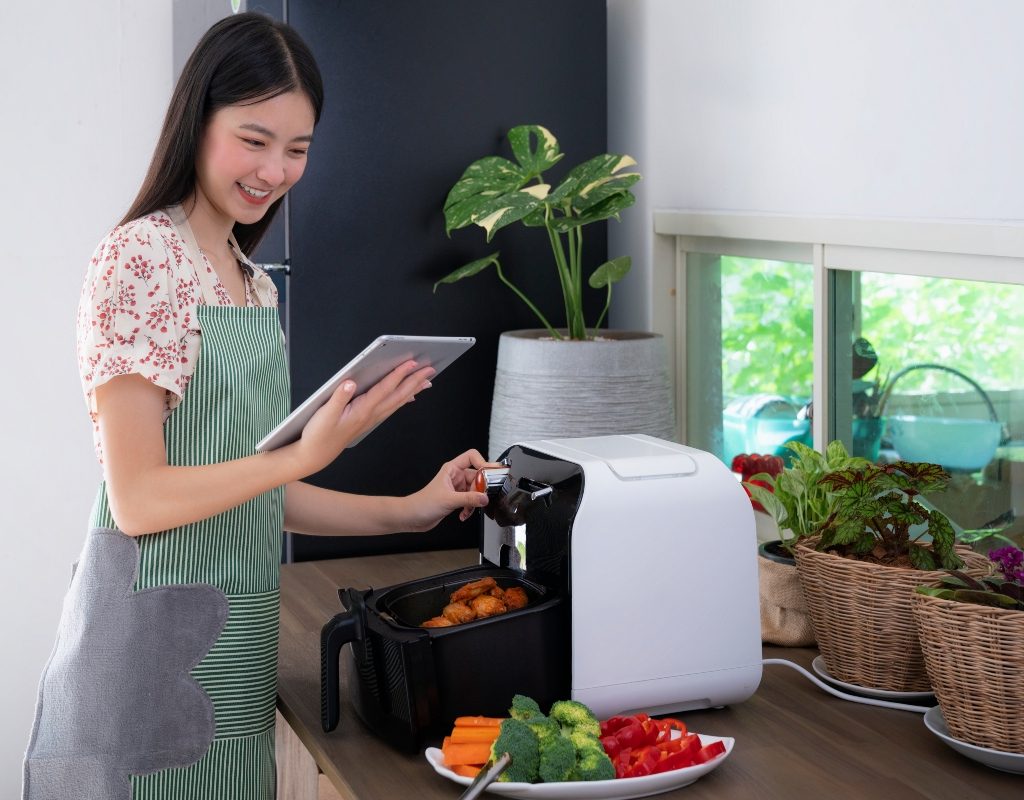
What to do when you first get your air fryer
When you take your air fryer out of the box, you might see a few different components. Depending on the brand, you might have more than just the fryer, basket, and grate. Follow the manufacturing assembly and recommendations if you find yourself confused.
Before using your new air fryer, it’s recommended that you wash and dry the components to get rid of any chemicals remaining from manufacturing. Place your air fryer on a heat-resistant surface at least eight inches from the wall to prevent any accidents. Some brands will recommend running your air fryer for a few minutes to eliminate any chemical smells. Follow your instruction manual for the best practices!
Tips for using your air fryer
Below are some of our best beginner air fryer tips we think will help you get familiar with your air fryer.
Always use the grate in the basket
The grate that goes inside your fryer basket is vital for proper cooking. The grate allows for the hot air emitted from the fryer to distribute evenly around the basket. This provides the perfect temperature and coverage to cook your food. Without the grate, the airflow will be disrupted, and you may find the results disappointing.
Flip your food during cooking
While it can be tempting to think of the air fryer as a one-and-done process, it’s good to remember to check on your food now and again. You can open your air fryer basket whenever you like to check on how your food is doing. Most air fryers will pause automatically to allow you time to open the basket drawer and flip your food as needed. If your air fryer doesn’t pause on its own, there is likely a button for pausing the timer.
It’s recommended for most meals to flip the contents over halfway through cook time. Again, this allows for an even result.
Make sure the basket is fully closed
When closing the drawer, make sure you always latch it appropriately. If the basket isn’t secured all the way, the air fryer might not resume its cooking, which could hurt the outcome of your dish. Therefore, always ensure the basket is fully closed before walking away.
It’s fast!
Many people love air fryers because of how quick they are to cook your food. With this in mind, it’s best to remain near the air fryer so you can flip the contents halfway through cook time and be prepared to pull out the food when the time is up. If you get involved in other aspects of the kitchen, you may end up burning your dish.
Lower the temperature
It’s not uncommon for recipes to recommend a lower temperature for air fryers. This is primarily because these appliances heat up quickly and circulate air continuously during the cooking process. To prevent burning or ending up with overly crispy food, opt for a lower temperature setting.
Use tongs
When flipping contents in the air fryer, tongs are your best friend. Some people will recommend shaking the basket or using other utensils to flip your food. While those tips work, tongs often allow for a complete flip, resulting in evenly cooked food.
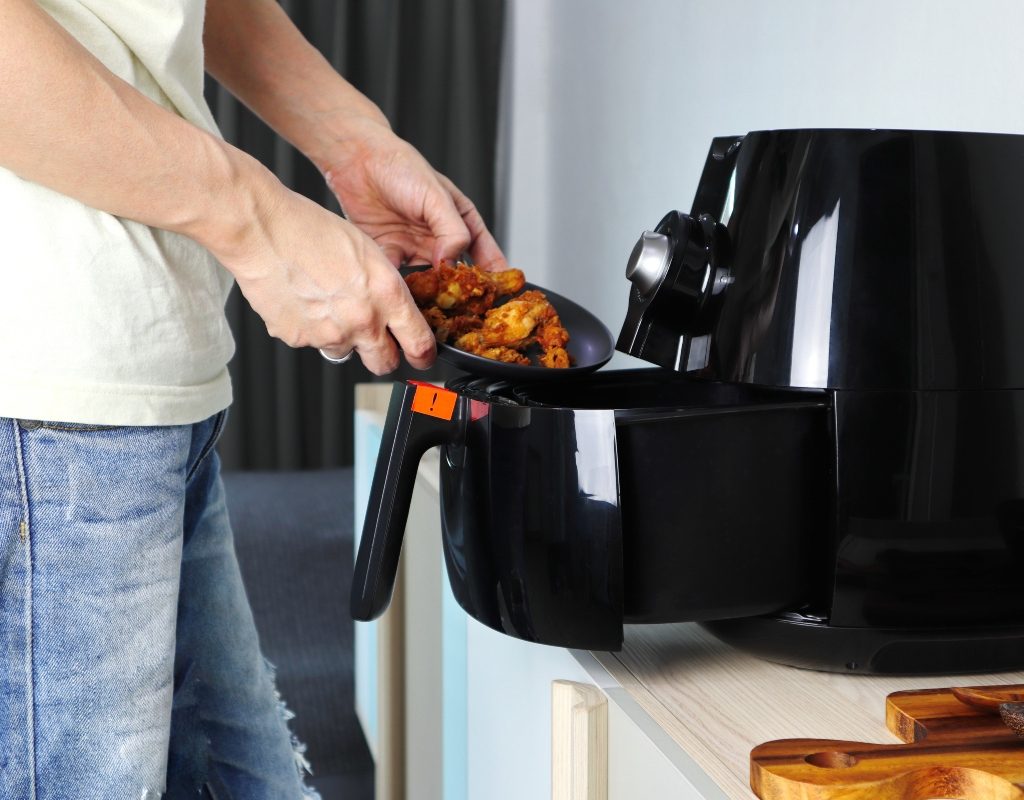
Never do this with your air fryer
Now that you’re aware of some of the best air fryer hacks to follow for a successful air-fried meal, there are few key things that you should always avoid.
Don’t use too much oil
A light coating of oil will help your food avoid sticking to the grate and provide additional flavor. However, if you are too generous with your oil, it will collect at the bottom beneath the grate and could prevent proper airflow or cause smoking. Some foods might not need any oil at all! Refer to your air fryer recipe before adding any oils to the basket.
Never use cooking spray
Nearly every air fryer manual warns against cooking spray. If used, cooking spray can ruin the air fryer’s natural non-stick coating over time. Instead, opt for a light oil like olive oil or coconut oil and directly rub it onto your food.
Don’t crowd the basket
Crowding the basket can prevent airflow and can result in over and undercooked parts of your food. The best way to cook larger quantities of food is to do so in small batches. Space out your food evenly and cook your food in separate runs. Air fryers are already quick at their job, and cooking smaller quantities is much faster than attempting to cook a crowded basket.
These are some of the basic tips beginners need to know when it comes to air frying. Air fryers are quick and simple to use once you get familiar with them, and they allow several unique opportunities when it comes to trying new dishes. Take your time and refer to your user manual if you’re ever uncertain about your air fryer. And don’t forget to have fun!