Nightstands may not be an essential addition to your bedroom design, depending on your aesthetic, but they are an incredibly convenient piece of furniture. Whether you need a space to store your phone during the night, an easy-to-reach spot for your alarm clock, a place to hold a lamp, or simply a surface to set down a cup of water, nightstands provide several useful functions in the bedroom.
But how do you choose the right nightstand for your space? We’ll break down the basics of how to choose a nightstand that’s both stylish and functional.
What to consider when choosing a bedside table
Below are some of the things to consider before purchasing your bedroom nightstands.
Size and scale of the space
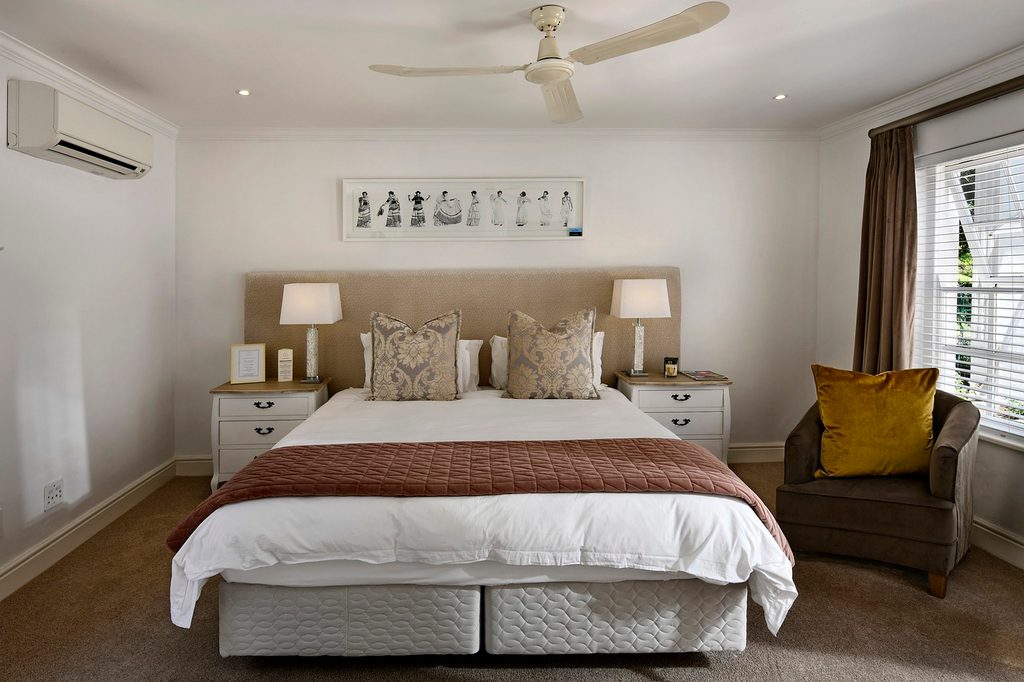
First things first, you’ll need to measure the available space beside your bed to figure out how much wiggle room you have for your nightstands. It’s possible that your bed position might not fit two typical nightstands on either side, so you may need to get creative. Alternatively, you might have your bed against a wall, meaning only one nightstand is necessary.
When choosing the right-sized nightstand, we recommend picking a piece that is at the same height as your mattress or 2 to 4 inches taller. You want the top of the nightstand to be within easy reach from your position on the bed. When it comes to width, there are no strict guidelines. As a general rule, choose a piece that is proportional to your bed and room.
Storage solutions
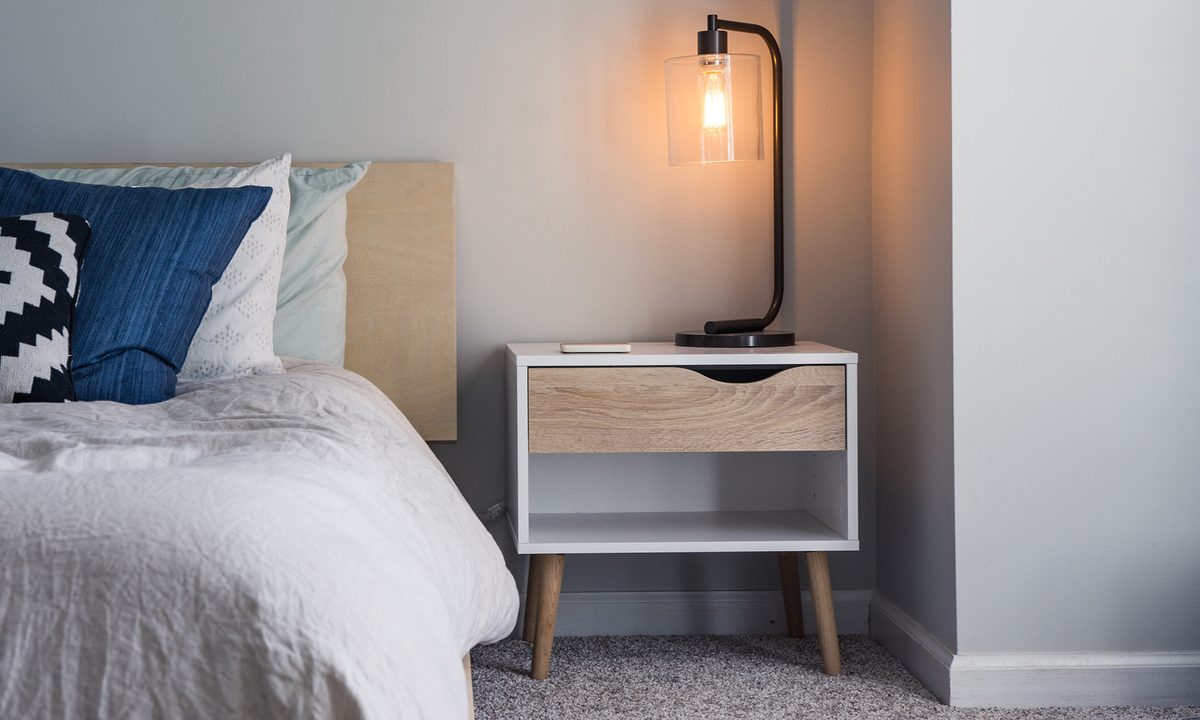
Another consideration when choosing a nightstand is storage. While your nightstand doesn’t have to come equipped with ample storage space, it can be helpful. A nightstand with a drawer can store glasses, eye masks, chargers, or remotes. Larger pieces can also hold books and laptops for those who prefer to read or watch something as they wind down for the evening.
If you prefer a clutter-free surface, you might choose a nightstand with multiple drawers. Those who don’t intend to leave much on the nightstand might choose a more minimal piece without drawers.
Material
Nightstands come in various materials, including solid wood, metal, glass, or engineered wood. You’ll want to choose your nightstand based on your existing aesthetic. For example, wood nightstands are a classic and look great in traditional and vintage spaces. Alternatively, glass nightstands are better suited for contemporary designs.
Also, consider the durability and longevity of the material you choose. Engineered wood furniture pieces won’t be as sturdy or long lasting as solid wood pieces.
Tech requirements
Today, several nightstands come equipped with built-in charging stations and outlets. If you want to prevent an excess of cords running from your nightstand to the nearest wall outlet, this can be a fantastic solution. Often, these nightstands have a small built-in nook to plug in your electronics and stash the cords away for a clutter-free space.
Style and aesthetics
Most importantly, you’ll want to choose a nightstand that suits your style and aesthetic. An ornate solid wood nightstand will feel out of place in a sleek, modern design. Alternatively, a glass nightstand might appear off-putting in a rustic and rugged aesthetic. Do a quick online search of bedrooms in your aesthetic to gain an idea of what nightstand colors, textures, materials, and shapes look best with your design style.
What nightstand is best for your home design style?
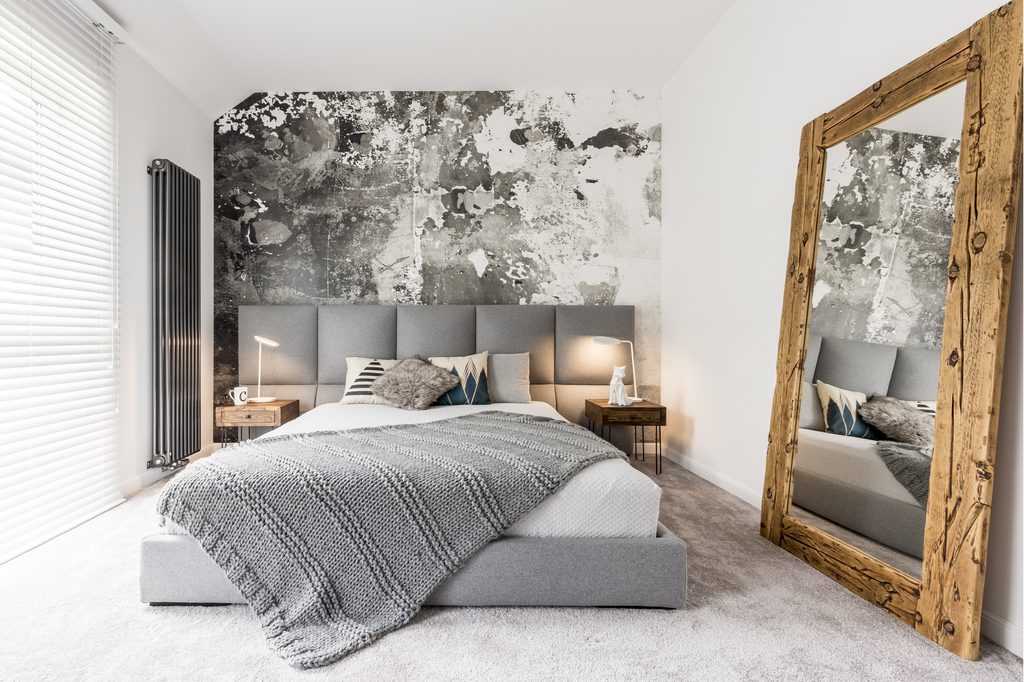
While there are several design styles to choose from, we can cover some of the most common interior aesthetics and the nightstands that are best suited for them.
Traditional
Traditional bedrooms do best with bulkier, boxy nightstands. Pieces made of solid wood with several drawers are ideal. Additionally, you’ll likely see intricate carving in the wood with more ornate details on the legs, edges, and hardware. Traditional-style nightstands tend to be wider rather than slim.
Industrial
Industrial bedroom designs often feature smaller nightstands. They can be made of wood or metal and are more brutalist and straightforward. Some industrial designs might also opt for brick or concrete blocks that make up the nightstand. Cinder block nightstands are a quirky addition in some industrial aesthetics.
Minimalist
Often, minimalist designs forgo nightstands. However, you might see small stool-like nightstands with simple tops and slim legs. These nightstands are not bulky and often don’t feature any drawers for storage.
Other alternatives for minimalist nightstands can include floating shelves. This leaves the floor space open, offering a clutter-free look. Lamps may also hang on the wall as sconces to free up the surface of the nightstand for a more minimal look.
Farmhouse
Farmhouse aesthetics follow traditional designs by favoring solid wood and bulky nightstands. However, some farmhouse bedrooms will use smaller, more antique furniture pieces. Anything with a chipped, vintage feel is ideal. You might also see wicker or reclaimed wood pieces in a farmhouse bedroom.
Modern
Modern aesthetics will often favor sleek and simple designs. Nightstands could be made of engineered wood, metal, or glass. There will likely only be one drawer on the piece, though some may have none. Pieces with hairpin legs and a plain exterior are also common.
Bedrooms often don’t feature much furniture, so choosing the right nightstand is essential for pulling off your design. Choose a piece that serves its purpose but also looks meant for your space.