  1. Home
  2. Style
  3. Inspiration
  4. Evergreens

Should you get bamboo flooring? The pros and cons to know

What is bamboo flooring? How is bamboo different from hardwood? This is what you need to know

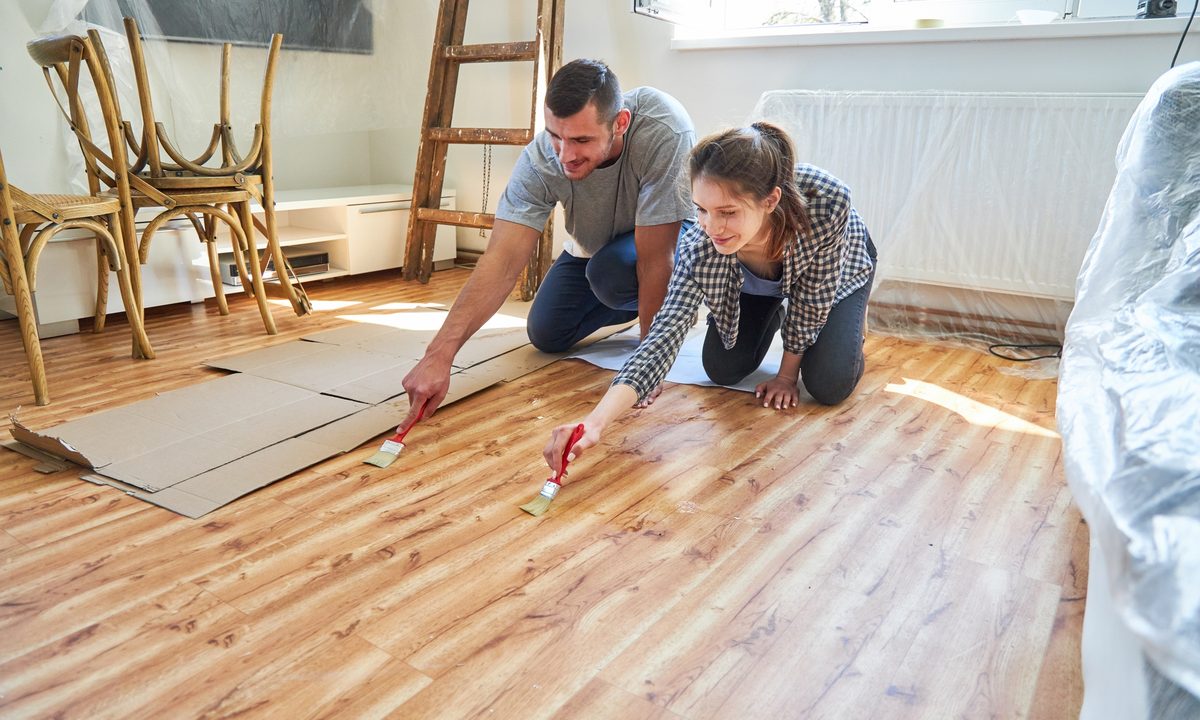
Couple staining a wood floor
Robert Kneschke / Shutterstock

Bamboo flooring offers your home a fresh and natural aesthetic. Many homeowners adore the light color, which feels airy and welcoming in any space. Others favor how sustainable bamboo flooring is over alternative flooring solutions. But what is bamboo flooring? How is it different from hardwood flooring?

We share the bamboo flooring pros and cons you need to know to decide if this is the best solution for your home.

What kinds of bamboo flooring are there?
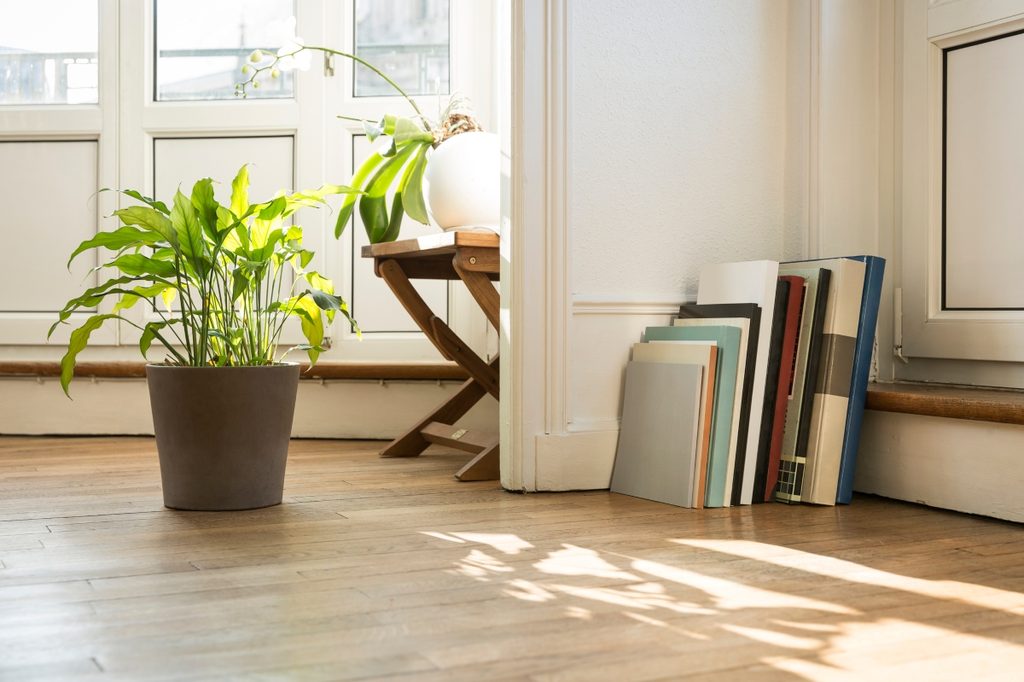
bleached light wood flooring in an entryway
Etienne Jeanneret / Getty Images

Contrary to what you may think, bamboo is a grass, not a wood. Bamboo flooring is made by cutting the bamboo plant into strips and using machines to engineer refined planks. There are a few types of bamboo flooring that can impact its appearance.

  • Natural bamboo: This type of bamboo doesn’t undergo any staining or carbonization. It is often light blonde, and some tonal imperfections may be seen in the planks, particularly in the different grains.
  • Stained bamboo: Bamboo flooring can be stained any color. Darker tones can be popular to suit a specific design. Additionally, staining makes the grain appear more uniform.
  • Carbonized bamboo: Some manufacturers will add carbon to the planks during the engineering process. This can result in darker tones but will also make the planks softer.

Types of engineered bamboo flooring
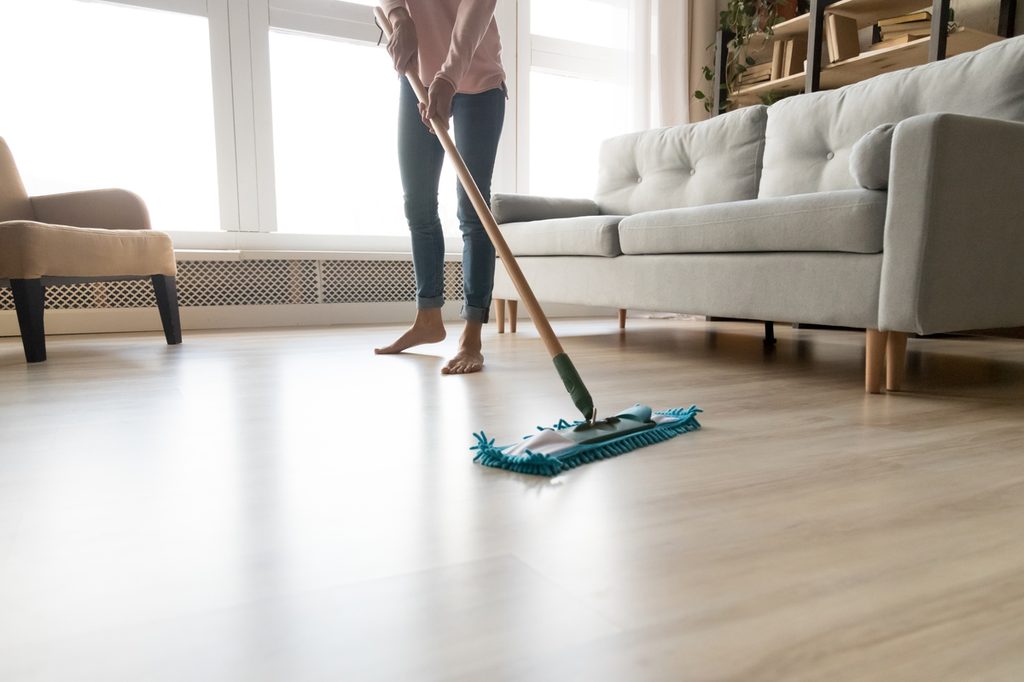
Woman with bare feet cleaning laminate floor with swiffer style mop
fizkes / Shutterstock

The process of connecting the bamboo grass strips and transforming them into planks can vary by manufacturer. All bamboo flooring is made from cut or shredded bamboo grass that’s pressed and glued together. Here are some standard techniques for engineering bamboo flooring.

  • Horizontal: This process layers the bamboo strips together. Some notches and coloration are visible in the end result, providing a more natural look.
  • Vertical: Bamboo strips are turned and laid side by side before gluing. This results in a more obvious grain that looks like thin lines running along the plank.
  • Woven: Sometimes called “stranded,” woven bamboo flooring is made from shredding bamboo grasses before pressing them with resin. The result is flooring that looks like “tiger stripes” with more dramatic variation in color between the bamboo and resin. It is also a more durable engineered bamboo flooring option.

How much does bamboo flooring cost?
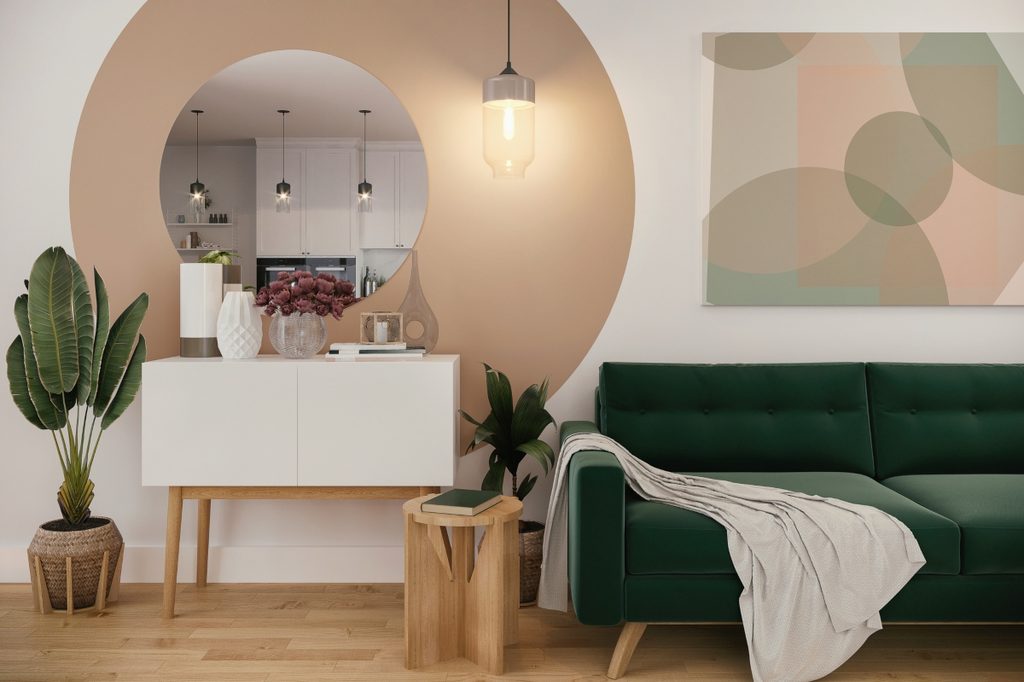
Neutral and green color palette for living room design
Aleksandra Zlatkovic / Getty Images

Bamboo flooring can cost $3 to $10 per square foot, depending on the brand and quality. Engineered and horizontal bamboo planks will be more affordable than vertical or woven planks. Additionally, you may have to spend extra on staining if you plan to refinish your flooring. Labor costs will also need to be taken into account.

Is bamboo flooring an eco-friendly option?
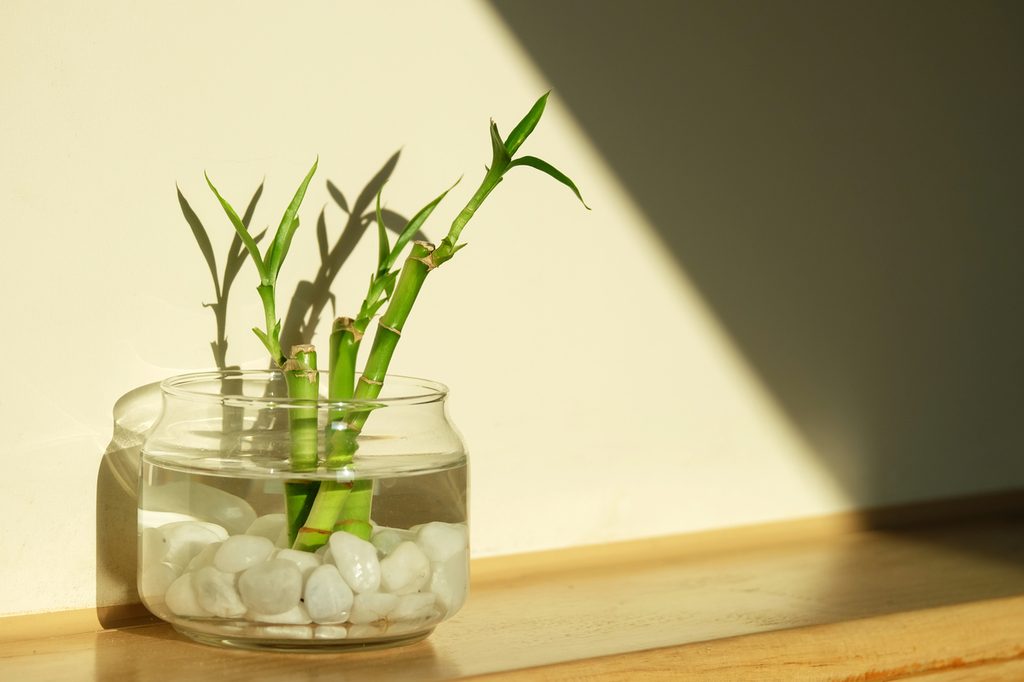
Lucky bamboo in small pot on wooden table.
Michael Mong / Shutterstock

The truth is that bamboo can be one of the more eco-friendly and sustainable flooring choices for many homeowners. However, there are a few things you should be aware of if you opt for bamboo flooring due to its ecological footprint.

Bamboo is a native Chinese grass that can grow and replenish quickly, often making it a better sustainable choice than hardwoods, which take years to grow back. It is also a recyclable material, particularly if you choose natural bamboo floors, making it ideal for those looking to reduce waste if they choose to renovate later in life.

However, overseas practices are not well monitored. It’s difficult to guarantee that the bamboo harvested for the flooring isn’t in an ecosystem where endangered species require the plant to survive. Additionally, shipping the product overseas can vastly increase the carbon footprint. It’s also important to note that dyes, glues, and resins in the engineering process can impact the health and well-being of native species, local populations, and you and your family.

To obtain the most eco-friendly bamboo flooring, purchase from a high-quality seller and look for a Forestry Stewardship Council (FSC) Certified label.

Pros of bamboo flooring
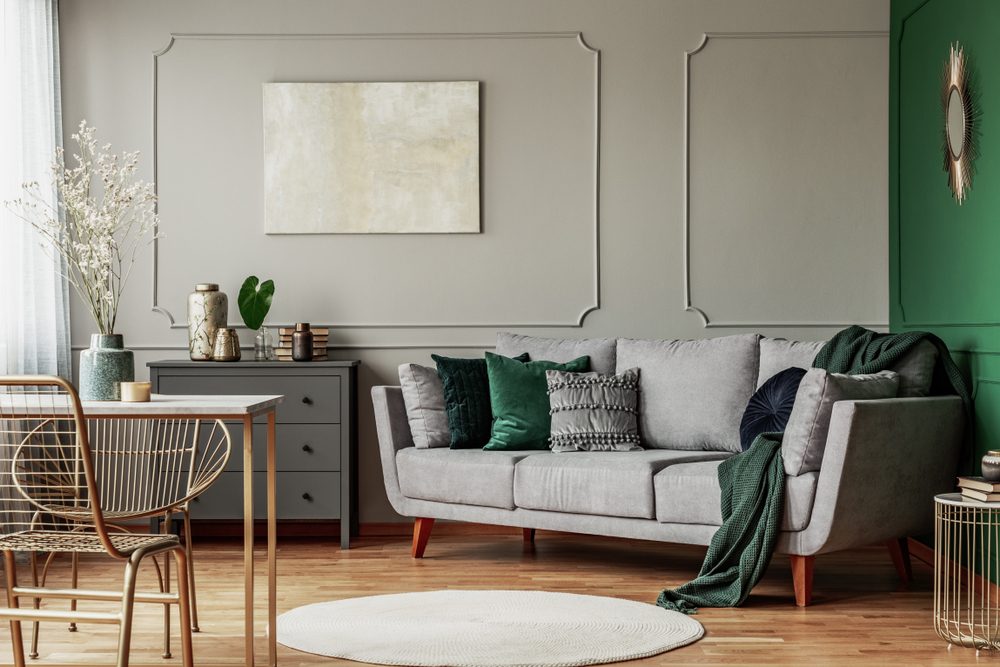
living room with gray and green color palette
Ground Picture / Shutterstock
  • Bamboo flooring doesn’t need to be sealed, making it easy to maintain. Regular vacuuming and gentle mopping will keep your floors looking pristine.
  • Bamboo flooring is pet-friendly and durable. It is resistant to scratches and stains.
  • Like other hardwoods, bamboo flooring can be stained or refinished, depending on the thickness of the planks.
  • Bamboo flooring looks modern and contemporary, great for light color palettes.
  • It can be more sustainable than hardwood flooring, since bamboo can regenerate quickly.

Cons of bamboo flooring
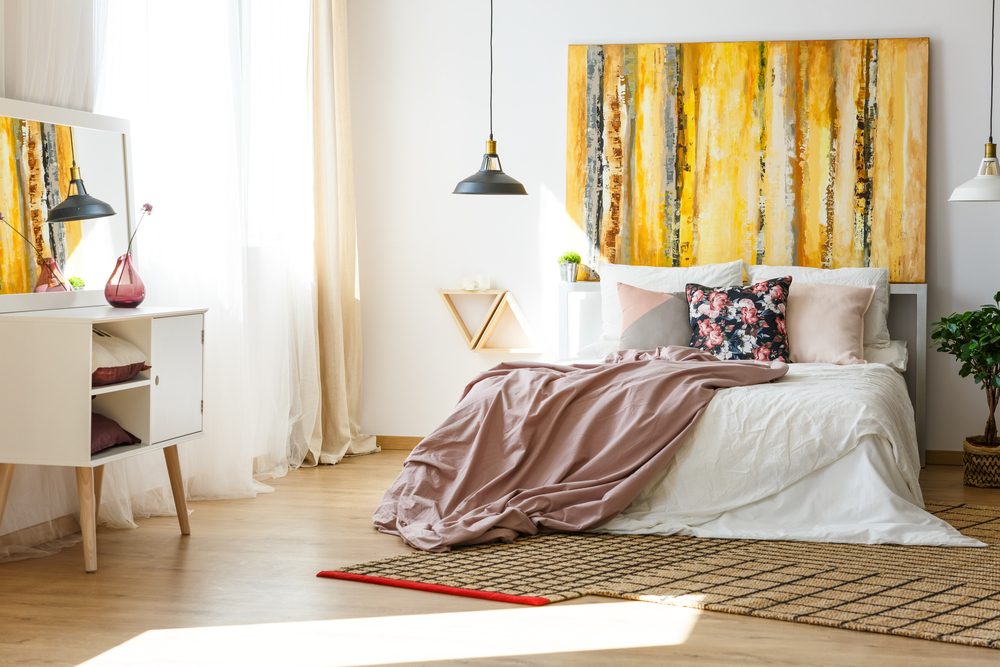
room with yellow painting on wall
Photographee.eu / Adobe Stock
  • You’ll need a flat and level subfloor or underlayment to ensure your bamboo floors don’t warp.
  • Bamboo floors don’t hold up well in high-moisture environments or homes with higher humidity. Standing water can damage and warp the floors.
  • Inexpensive or low-quality bamboo flooring may be susceptible to scratches and stains.
  • Not all bamboo is sourced by a reputable seller, so you’ll have to do some research before purchasing if you want an eco-friendly flooring solution.
  • Bamboo flooring is limited in shades and tones. The natural color may not be the best choice in every home design.

Bamboo flooring is a beautiful, natural flooring solution that feels light, airy, and rejuvenating in modern and contemporary spaces. Depending on the manufacturer, it can be a sustainable and eco-friendly flooring option for many homeowners. Just be sure to avoid putting bamboo flooring in humid or moisture-rich areas to prevent warping so you can enjoy your floors for years to come.

This TikTok-approved Easter table decor is easy to replicate
Perfect your Easter table decor with this adorable dining idea
Easter place setting on a table

Decorating for Easter festivities requires some cute and spring-inspired table setups that are sure to be the talk of any social gathering. Whether you’re adorning your space for the holidays or hosting a party, this Easter table decor idea from TikTok is simple to perfect and oh so adorable.
How to dress up your Easter table decor
https://www.tiktok.com/@macy.blackwell/video/7476202654092365086

TikToker @macy.blackwell shared a quaint, spring-inspired Easter table look that feels magical and elegant. If you’re looking to curate a cozy dining experience with plenty of holiday flair, try replicating her fantastic ideas.
Start with a runner
To start, this TikToker placed a green faux moss runner to the center of the table to add a touch of biophilia. We love this concept and the unique way this runner adds spring-like greenery to the space.
Choose the right dishware
White ceramic plates with soft, gentle ridge designs are layered at each place setting, followed by adorable decorative plates depicting rabbits. Any spring motif with a pastel color palette will do. We advise choosing a top plate featuring rabbits, chicks, eggs, or flowers.
You can’t forget fresh flowers
A staple of spring decor is fresh flowers. Tulips, daffodils, azaleas, and carnations are excellent choices. If fresh flowers aren’t for you, faux alternatives can also add the right amount of life and color. Follow in this TikToker’s footsteps by placing florals in unique vases like a teapot.
Decorative eggs are a must
Decorative eggs are a must-have this time of year. Purchase some in different sizes and intersperse them within your tabletop design. You can fill a vase with mini eggs to support floral arrangements or add larger pieces across the table runner for additional decoration.
Candy vases add whimsy
This TikToker also chose to take on a more whimsical Alice in Wonderland aesthetic by filling jars with Easter candy. To make the containers appear fuller, she added wadded up aluminum foil to help take up space and added Easter candy around it.
Opt for a pastel color palette
Many spring and Easter themes feature a pastel color palette. As you embark on the perfect dining table design scheme this season, choose pastel hues like pink, sage, lavender, periwinkle, and yellow.
Decorate with ceramic bunnies
Ceramics can also help fill out the table. We love how this creator used ceramic or porcelain rabbits to accent the centerpieces.
Easter bunny napkins are easy to make
One creative idea was rolling up the Easter napkins to create cute bunny motifs. First, she rolled the fabric. Then she folded the rolled napkin in half and tied the pieces together with a string or ribbon. Lastly, this creator placed a colorful egg in the loop to create the shape of a head and bunny ears.

Read more
Transform your home with these 10 Easter decor ideas
Bring some spring spirit to your space for Easter
Decorative basket of eggs with spring branch centerpiece. Easter decor ideas

Spring is in the air, and with it comes the perfect opportunity to refresh your space with cheerful Easter decor ideas. Whether you're hosting an Easter brunch or simply love the look of pastels and bunnies, Easter is a fun excuse to get creative with your home styling. From your dining table decor to your front porch, a few thoughtful touches can make your home feel festive and full of springtime charm.

Easter decor ideas for your dinner table

Read more
11 fresh spring decorating ideas for your home
Freshen up your space with spring-inspired designs
Spring fireplace mantel decor for farm house style

When the sun starts shining a little longer and the flowers begin to bloom, there’s no better time to refresh your home with some cheerful spring decorating ideas. Whether you're ready to make big changes or simply want to bring a touch of seasonal charm to your space, spring is all about light, color, and a connection to nature. These easy and affordable updates will breathe new life into your home just in time for the warmer days ahead.
1. Create spring tablescapes

Spring is the perfect time to dress up your dining room table with cheerful details that celebrate the season. Start with a floral centerpiece — think tulips, daffodils, hyacinths, or peonies. These spring blooms bring color and fragrance to your table in the most natural way. Pair your centerpiece with a bright tablecloth or runner in a sunny hue like soft yellow or pastel green, and don’t forget to add some playful cloth napkins featuring florals or seasonal prints.
Want to go the extra mile? Use spring-themed glassware or plates with subtle flower motifs or pastel accents to tie the whole look together.

Read more