
When fall arrives, your vegetable garden may still be active, but your lovely flowers are reaching the end of their season. After a long few months of healthy growth and beautiful blooms, it’s crucial to protect all your hard work and start thinking about winterizing your flower beds. With these few tips, you can prepare your garden for the upcoming winter weather and ensure a bountiful spring bloom.
Remove annuals
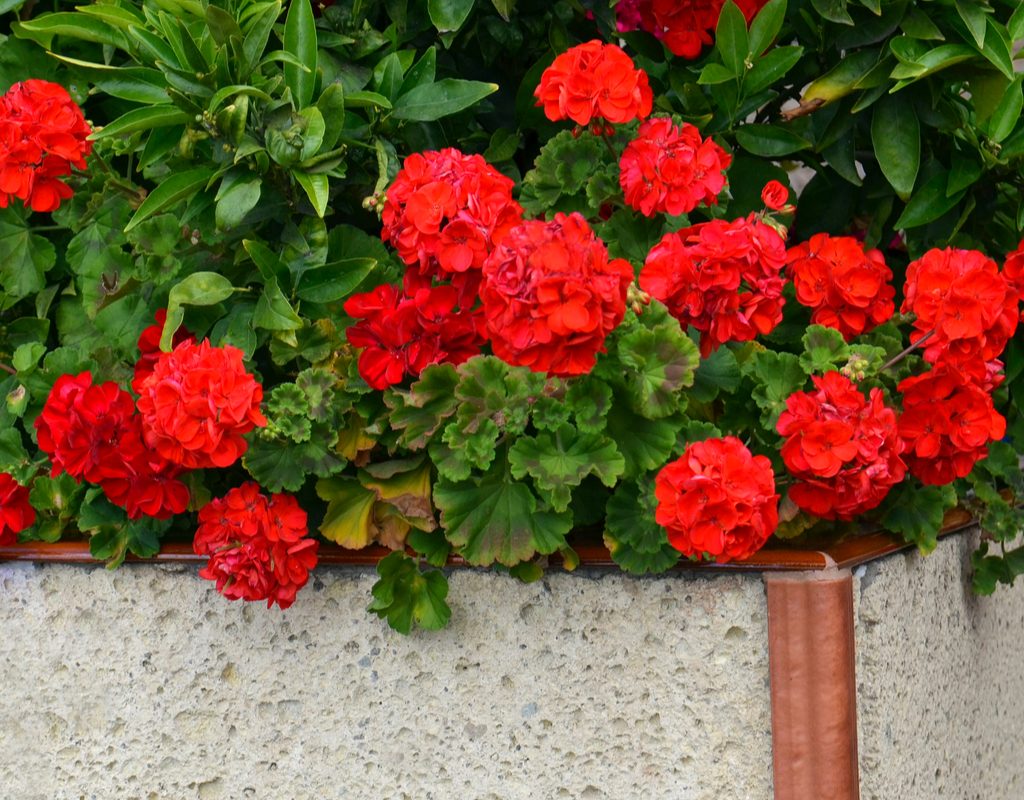
When your annuals die, their seeds fall into the soil and can produce an excess of plants the following year, overrunning your flower bed with growth. That’s why it’s important to pull out your annual plants right as they start to die. You can even harvest their seeds and dry them out for use next year. Either way, this gives you more control over the makeup of your flowerbed the next year.
Be sure to check the plants for diseases before composting them. Fungal infections and mold can survive in your compost pile and infect any areas of your garden that you fertilize with the compost.
Thin and trim perennial plants
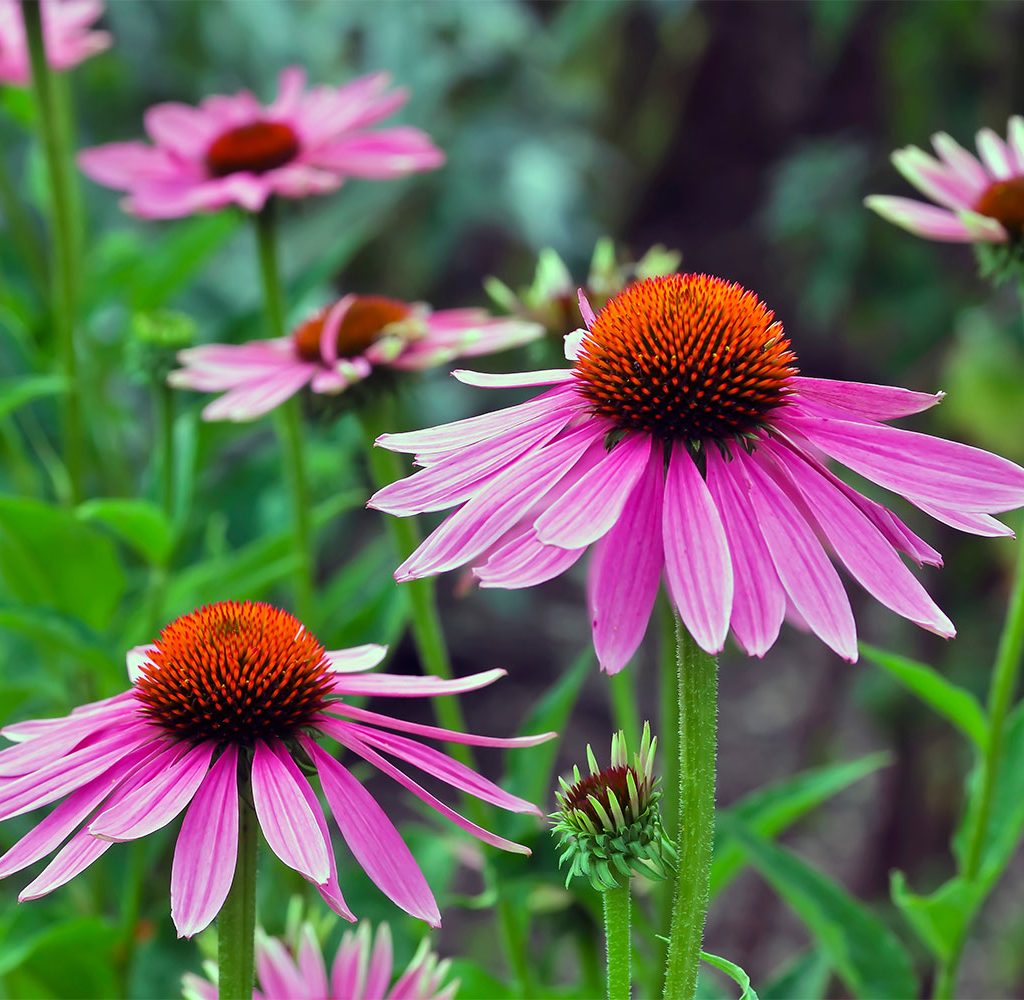
Your perennials come back every year, so you may be tempted to let them be during your fall flower bed clean-up process. In order to ensure the healthiest perennials, however, give them some TLC before winter hits. Thin out these plants and transplant some into bare areas. Larger, bushier perennial plants don’t look as pristine as smaller, cleaner ones, and they tend to not produce as many blooming flowers in the spring and summer. Further, overgrown perennials are more likely to develop diseases that are harmful to your plants and attract bugs that will infest them, so protect your whole garden and keep perennials under control.
Control the weeds
Don’t make the mistake of thinking that the freezing winter months will kill off those pesky weeds. Not only will they survive, but they will spread their seeds around your soil and return in the spring with a vengeance. Take a look around your flower bed and perform a thorough weeding session before the frost arrives. Tackling weeds early prevents them from draining all the nutrients from your soil and encroaching on the roots of your plants. Both of these occurrences can damage perennials, leaving you with a lackluster garden in the spring.
Protect your flower bed with mulch
Mulching is the single most beneficial thing you can do to prepare your flower bed for winter. Mulch is not only beneficial for aesthetic purposes, but it comes along with other benefits that will go a long way in ensuring healthy flowers in your garden the following year. Mulch can trap moisture in the soil, so be sure to lay it after the first hard frost when you’re sure there’s no mold or mildew growing.
Weed prevention
Mulch acts as a protective barrier, preventing the seeds of weeds from reaching the soil. Even if a few seeds from those pesky weeds make it through the barrier, it will have a difficult time germinating without sunlight under all that mulch.
Soil benefits
Bare soil, when exposed to the winter elements, can lose its moisture and become susceptible to erosion. Prolonged exposure to wind and rain also diminishes the topsoil of your flower bed. This makes for an inhospitable environment for planting in the spring since eroded soil struggles to absorb moisture and can cause drainage issues and pooling water in your garden. Adding a layer of mulch to your flower bed helps the soil retain its moisture and protects it from the harsh elements in colder months.
Perennial protection
Though perennials will be dormant during the winter, they still need some protection during this hibernation period. Mulch keeps root systems protected from winds and other harsh conditions, ensuring these perennials can grow big and strong the following year. This layer also keeps the ground frozen by blocking out sunlight. If your soil warms up, more moisture will be present which can lead to mold growth and cause your perennials to come out of dormancy prematurely. Early activated perennials die quickly when temperatures drop again, weakening the entire plant.
While you won’t be enjoying those beautiful blooms during the cold winter months, that doesn’t mean you should abandon your flower beds until the weather warms back up. As the days start to shorten and outside temperatures start to cool, protect your garden from freezing temperatures by winterizing your flower beds, ensuring a healthy, controlled, and gorgeous spring bloom in the coming year.