If you’re considering placing an outdoor surveillance system around your home, you should invest some time learning home security camera laws and surveillance laws pertaining to you and your property. Your first priority is to keep your home safe, of course, though there are a few laws that you need to be aware of so you can ensure you are surveilling your property legally.
Local laws and restrictions
Before you purchase or install your new home security system, you need to cross-reference your federal, state, and county laws to ensure you are following proper protocol. Local laws can differ between states and counties, so it’s important to double-check local security standards before implementing your new security system.
National law
National law for the United States is fairly broad, though it is still important to understand their regulations when it comes to surveillance cameras.
Expectation of privacy
One of the main things you need to know about outdoor surveillance in the U.S. is the expectation of privacy. The national government considers home surveillance a legal action so long as you respect the privacy of others.
For example, the government does not agree with audio and video recording in bathrooms, locker rooms, hotel rooms, or bedrooms. These spaces tend to be private for sole occupants and users and are not regarded as places where surveillance footage would be an acceptable argument under the law.
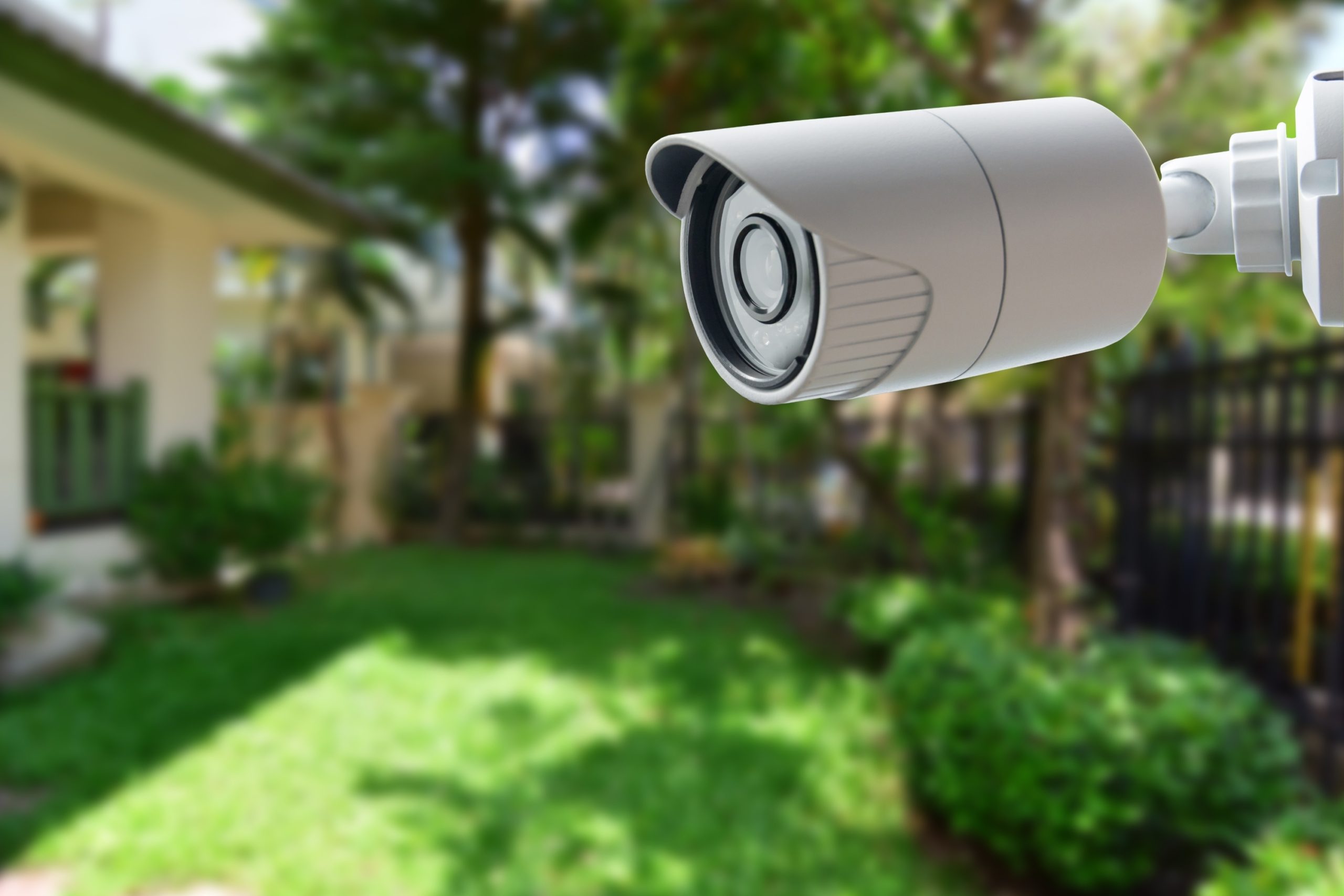
To make this rule a bit more practical for the average homeowner, your neighbor’s house would be considered a private space where recorded footage may not be viable in court. Your outdoor security camera can’t point directly at your neighbor’s house or “peer” through a window as this is an invasion of privacy. The best way to point your outdoor camera is so the camera focuses only on the front yards and/or driveways of yours and your neighbor’s homes as these outdoor spaces are considered public.
Video and audio are not the same
The national government doesn’t recognize video and audio as being the same. For example, hidden recording devices are discouraged in the U.S. Often, hidden recording devices are used expressly for blackmail or gaining confessions. Since there is no consent for these recordings, the audio footage is not accepted in a court of law.
Of course, you should always check with local law to determine the details regarding public and private audio recording as municipalities differ from one another.
Hidden cameras
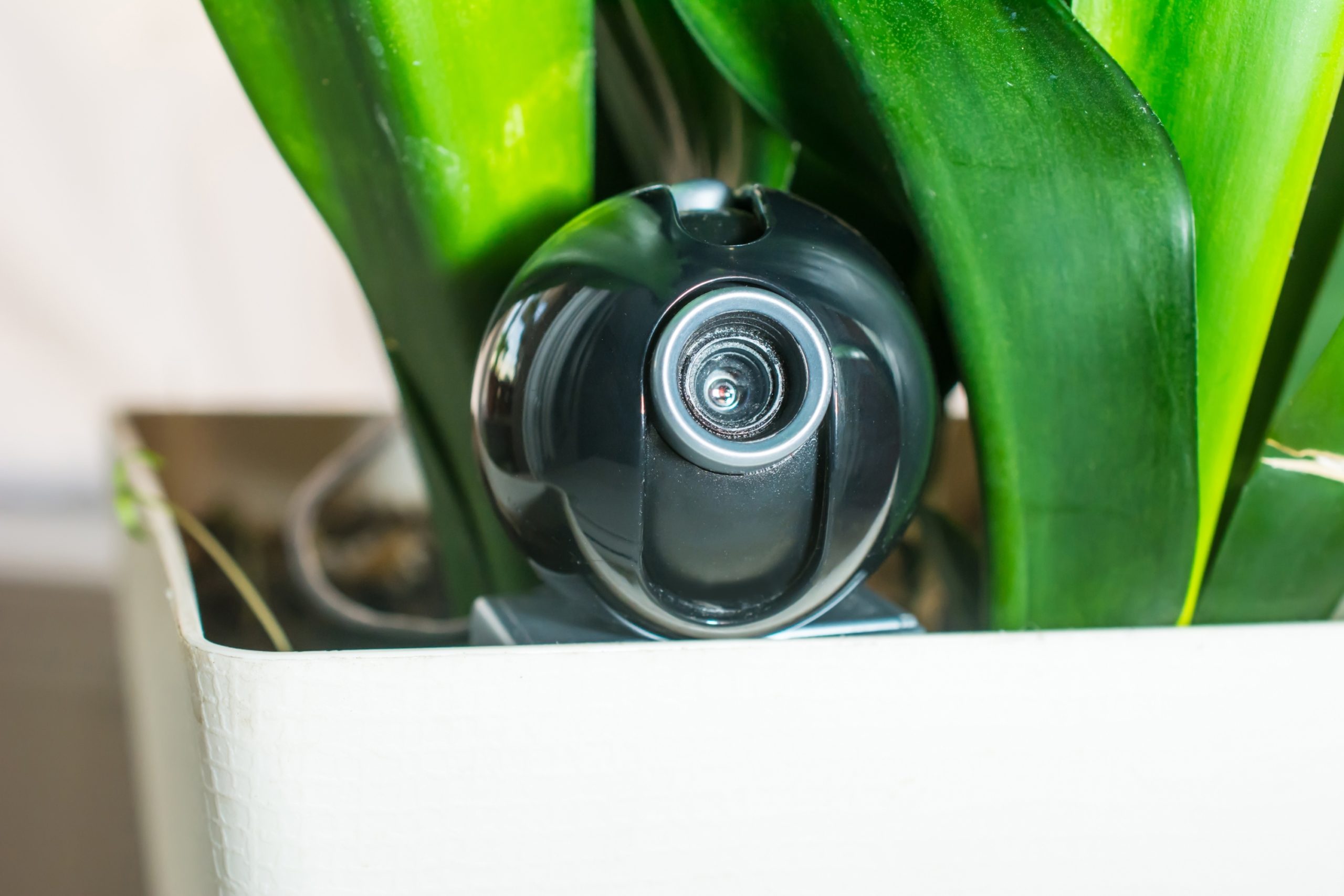
Hidden cameras and other sources of video footage are entirely separate from the rules of hidden audio footage. Generally, hidden cameras are acceptable inside and outside your home. Many people put hidden cameras in garden bushes or around decorative porch pieces to keep them from being noticed.
There is no need to gain consent from others for silent video footage so long as you obey the expectation for privacy. You can have a hidden camera on your porch as long as it is not aimed at a neighbor’s house. Or, you can have a nanny cam in your home so long as it isn’t in the bathroom, bedroom, or space where there is an expectation of privacy.