

If you want a beautiful spring garden, it’s a good idea to think ahead by getting to work now and planting in the fall. Autumn is the perfect time to clear old flower beds, build garden pathways, add architectural elements to your landscape, and of course, plant. The truth is that fall is the ideal time to install cold-hardy plants, and we’ll discuss why. As you plan your garden for the year ahead, consider planting the below seedlings right now.

Benefits of planting in fall
Overall, planting in fall is ideal for many variations of turf, flowers, shrubs, and trees because pest populations will dwindle soon, letting you sidestep damage from these critters, and plant growth patterns will turn in your favor. The cooler autumn air is much more forgiving, and the still-warm soil offers an ideal environment for deep-root development.
Although your new garden plants will be going dormant soon, their roots will continue to grow through fall, until the ground freezes. This gives them an immense head start, as they’ll have two seasons (fall and spring) to deepen and strengthen their roots ahead of next summer’s dry heat.
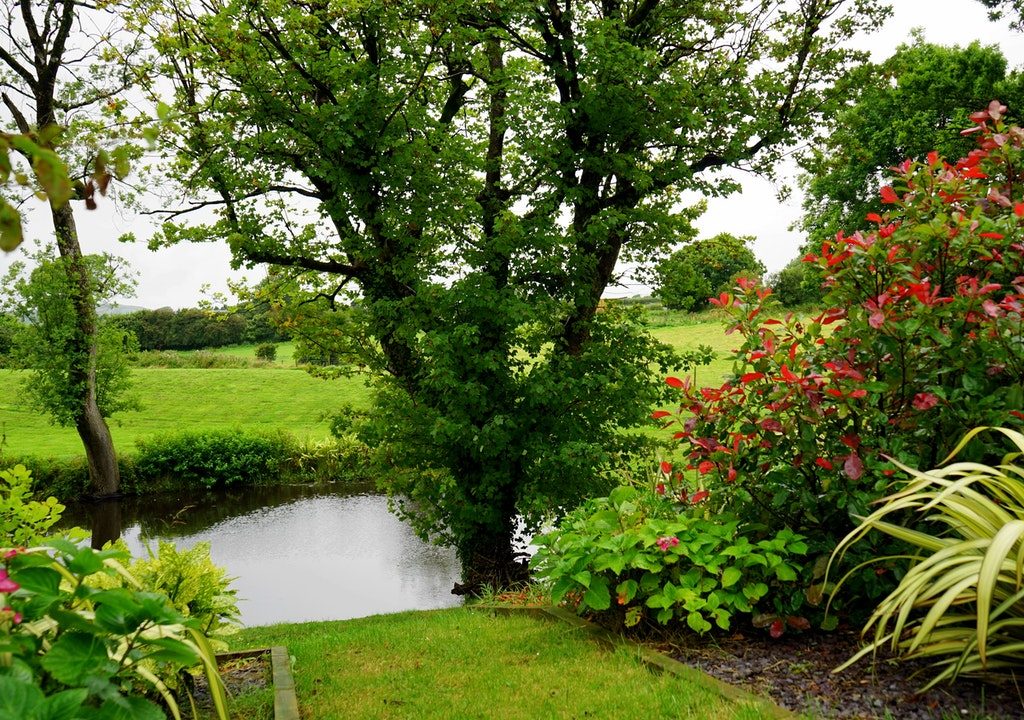
Cool-season lawns
If your lawn needs a boost, fall is the best time to plant cool-season grass. Whether you choose to plant grass seed, lay new sod, or overseed an existing lawn, the mild air temperatures and warm soil encourage deep root establishment. Plant seed or sod about two months before the first expected frost date, and make sure it receives about an inch of water per week.
- Kentucky Bluegrass, Poa pratensis
- Tall Fescue, Festuca arundinacea
- Perennial Ryegrass, Lolium perenne
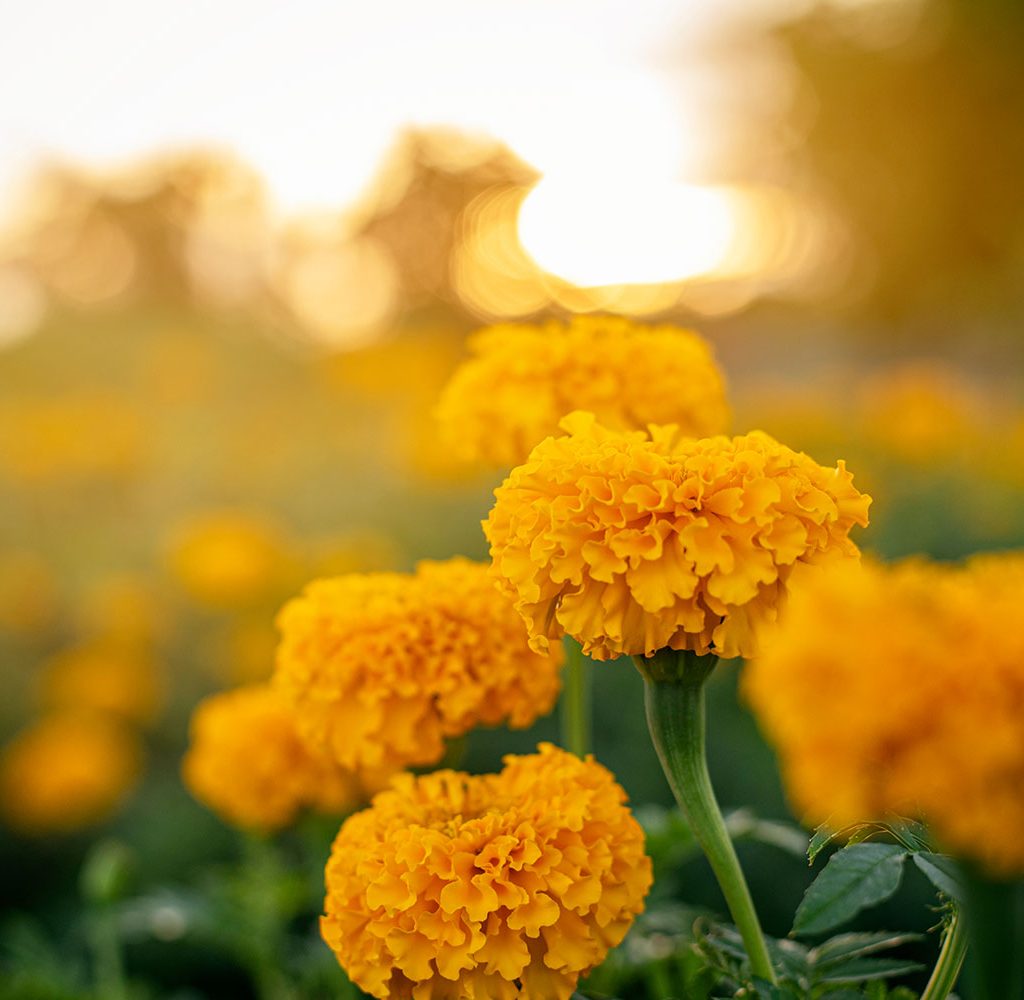
Cool-season annuals
Remove summer annuals and replace them with cool-season flowers. Pansies and violas offer outstanding performance in cool to cold temperatures, but they are heavy feeders that require high maintenance. Apply slow-release fertilizer at planting time and feed them weekly (until freezing weather arrives) with water-soluble plant food mixed at quarter-strength. Add in some snapdragons for height and texture, and this garden will bloom through the fall, rest in winter, and rebloom next spring.
- Violas and Pansies, Viola tricolor
- Snapdragons, Antirrhinum majus
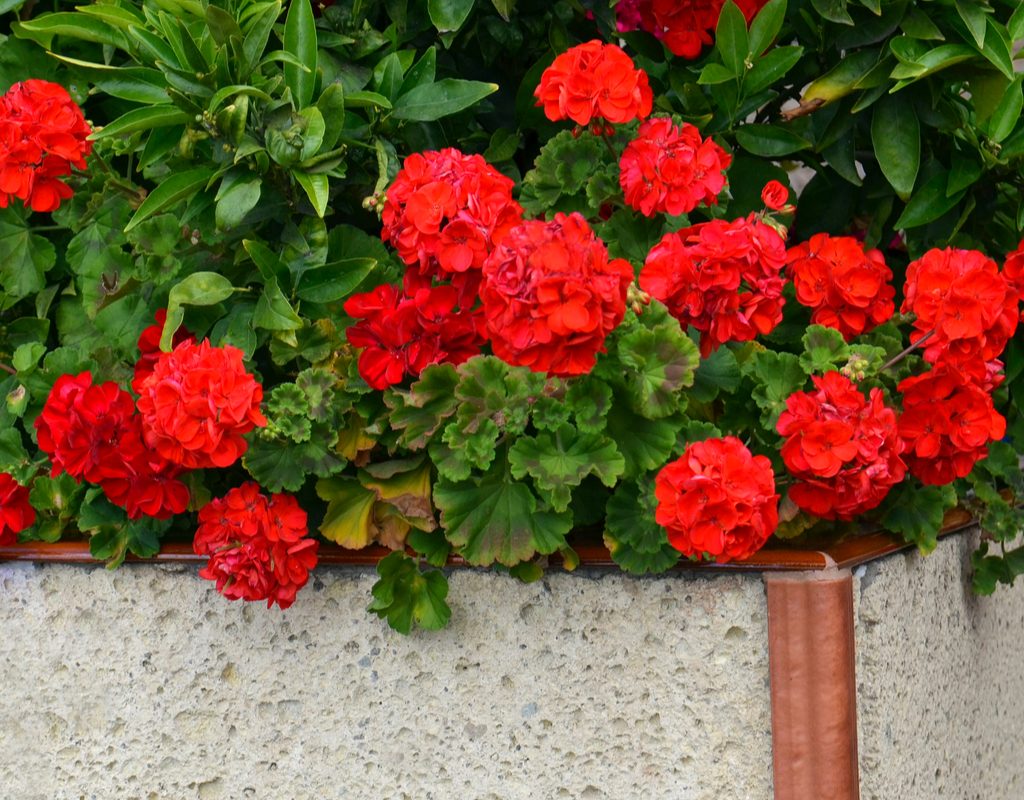
Spring-blooming perennials
Perennials provide a nearly endless selection of colors and textures for every garden. Since each kind blooms within its own unique season, the best strategy is to create mixed plantings that will offer constant change throughout the year. Some spring-blooming perennials, like Lenten Rose, flower for months, while others, such as Columbine, only bloom for two to three weeks. When flowering is over, perennial foliage remains in the garden, still adding varying foliage shades and textures. The best part is that they’ll come back year after year.
- Bleeding Heart, Dicentra spectabilis
- Columbine, Aquilegia spp.
- Creeping Phlox, Phlox subulata
- False Indigo, Baptisia australis
- Foamflower, Tiarella cordifolia
- Heartleaf Brunnera, Brunnera macrophylla
- Lady’s Mantle, Alchemilla mollis
- Lenten Rose, Helleborus orientalis
- Lungwort, Pulmonaria officinalis
- Pinks, Dianthus spp.
- Poppies, Papaver orientalis
- Spurge, Euphorbia polychroma
- Thrift, Armeria maritima
- Virginia Bluebells, Mertensia virginica
- Wake Robin, Trillium ovatum
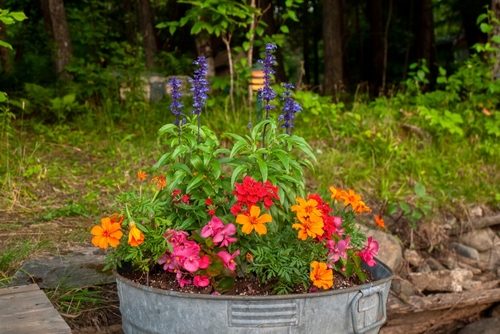
Spring bulbs
Bulbs are a subset of perennials that grow from condensed, swollen roots. Unlike other perennials, bulbs don’t stick around long after flowering. Four to six weeks after the flowers fade, the leaves turn brown, and, at that point, you can cut them back until they grow again next year. Bulbs look great in DIY rock gardens, natural areas, flower beds, or container gardens alongside annual blooms.
- Snowdrop, Galanthus nivalis
- Crocus, Crocus sativus
- Daffodil, Narcissus pseudonarcissus
- Hyacinth, Hyacinthus orientalis
- Tulip, Tulipa spp.
- Iris, Iris spp.

Trees and shrubs
Woody plants act like the furniture in a room. They provide the structure around which the garden is built, creating a backdrop that pulls viewers’ attention to the brighter, bolder blooms. They look striking all year long, whether they’re growing next to spring flowers, brilliant fall foliage, or winter evergreens. Below are some of the most popular spring-flowering trees and shrubs for American gardens.
Trees
- Eastern Redbud, Cercis canadensis
- Flowering Crabapple, Malus spp.
- Flowering Dogwood, Cornus florida
- Ornamental Cherries, Prunus spp.
- Red Horse Chestnut, Aesculus x carnea
Shrubs
- Azalea, Rhododendron spp.
- Camellia, Camellia spp.
- Forsythia, Forsythia spp.
- Heath, Erica carnea
- Japanese Quince, Chaenomeles japonica
- Lilac, Syringa spp.
- Mountain Laurel, Kalmia latifolia
- Ninebark, Physocarpus opulifolius
- Serviceberry, Amelanchier spp.
- Star Magnolia, Magnolia stellata
- Witch Alder, Fothergilla gardenii
- Witch Hazel, Hamamelis vernalis
Care after planting
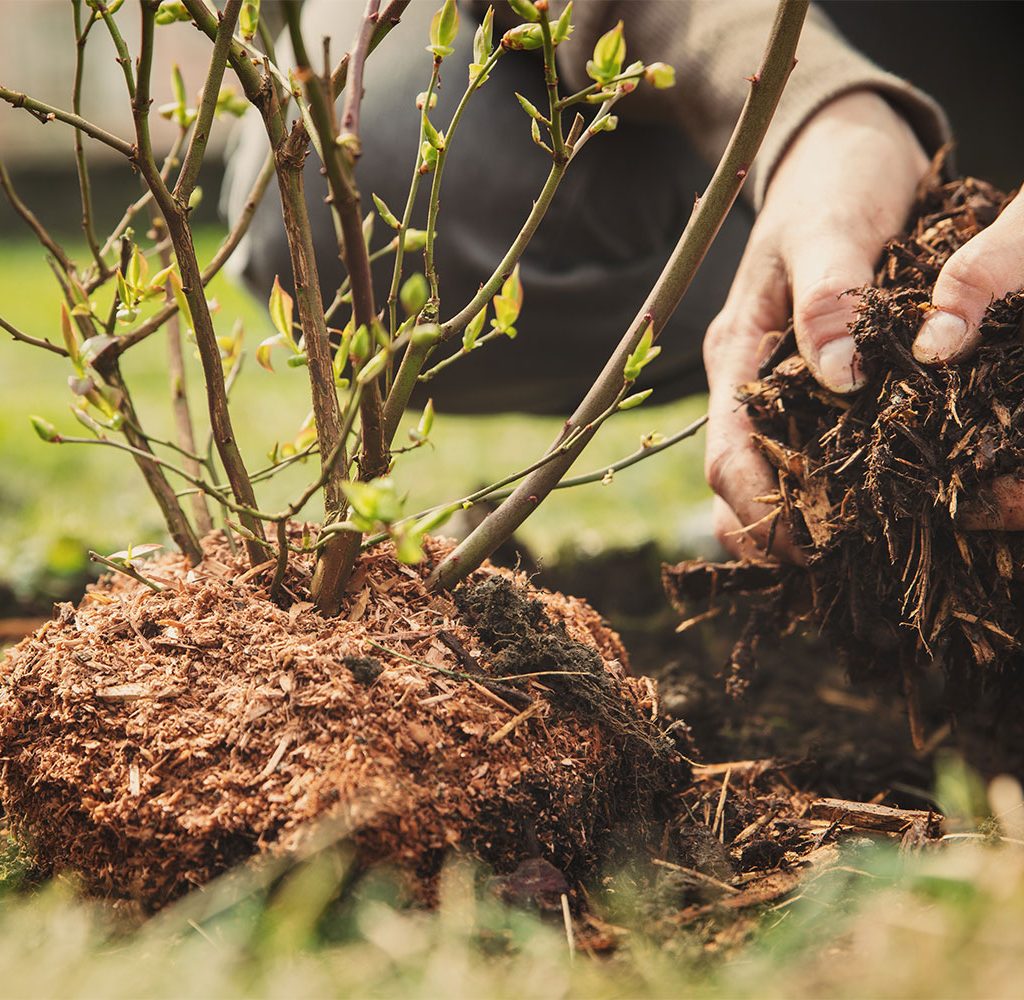
After planting these new additions to your garden in the fall, be sure to give them all the attention they need to establish strong roots. Add mulch to keep the roots moisturized and insulated from the colder winter temperatures, and give them an inch of water per week until they go dormant. At that point, stop watering unless the weather is extremely dry. Consider placing cages over smaller plants if they are at risk of deer or rabbit damage, then cozy up and wait for the bountiful blooms of your spring garden.