  1. Home
  2. Home Maintenance
  3. News

Data reveals: 2025’s top cities for home improvement costs

See where your city ranks in home renovation costs.

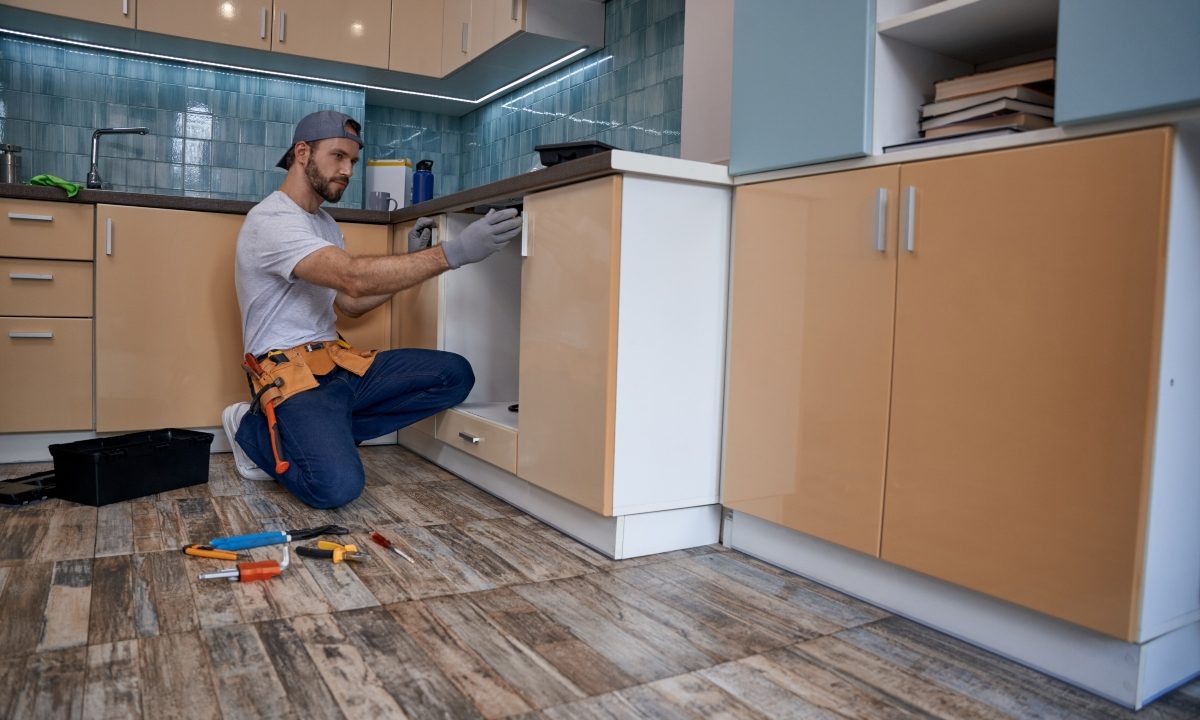
man remodeling kitchen cabinets
Kostiantyn Voitenko / Shutterstock

As spring approaches and homeowners gear up to tackle long-awaited renovations, new data from Home Gnome reveals the best—and worst—U.S. cities in 2025 for taking on home improvement projects to add value or comfort to your space.

In a comprehensive study ranking 498 cities across the country, Home Gnome analyzed four major categories and 44 metrics, including the average age of homes, access to contractors and designers, and local project costs. The results spotlighted California as a dominant force in home improvement readiness.

Top-ranked cities

California cities claimed 13 of the top 15 spots across large, midsize, and small city categories. Miami, FL led large cities, followed by Jersey City, NJ and Santa Ana, CA. Among midsize cities, Norwalk, Inglewood, and Orange—all in California—took the top ranks. South Gate, CA, Buena Park, CA, and Tustin, CA led among small cities.

Challenging markets

At the opposite end, cities like Detroit, Rockford, and Flint were ranked the least favorable for home improvements, largely due to aging housing stock and limited access to professionals.

Key trends

  • Budget Boosters: Cities like New York and Newark are investing the highest percentage of income in renovations.

  • Contractor Central: The Northeast is home to top-rated access to home remodeling professionals, with New Rochelle, NY, and Clifton, NJ standing out.

  • California Dreaming: The Golden State’s consistent top performance signals a strong infrastructure and demand for home upgrades.

DIY gains ground amid rising costs

With nearly half of home improvement spending now going toward necessary replacements like roofing, plumbing, and electrical work, homeowners are increasingly prioritizing function over flair. Projects driven by personal style—such as adding new rooms—have dipped below one-third of total spending.

Even so, that hasn’t stopped the DIY crowd. Homeowners have collectively spent over $66 billion on do-it-yourself upgrades, with strong demand for products like soft-surface flooring, electrical materials, and landscaping supplies. With the typical U.S. home now more than 40 years old—and many even older—many residents are rolling up their sleeves to modernize their spaces themselves.

For budget-friendly home updates, consider peel-and-stick flooring, energy-efficient lighting upgrades, or easy-install backsplash tiles. Curb appeal can also be boosted with fresh paint, DIY landscaping, or modern house numbers.

To see where your city ranked or explore the full list, visit the complete study at Home Gnome’s website.

veronicasparks18@yahoo.com
Veronica Sparks is a writer from Milwaukee, Wisconsin who loves writing about gardening, home décor, and DIY life. She’s…
How to Create a Functional Entryway in Any Size Space
Clothing, Coat, Accessories

An entryway does not need to be large to be functional. It simply needs to be intentional and clear in purpose. The entryway is the first and last space you pass through each day. This is where you take one final glance in the mirror before stepping into the world. It is also where everyone kicks off their shoes, drops their bags, and leaves behind things like keys, sunglasses and other essentials down and walks away. The space should work for you and not against you. 

Start by clearing the surfaces and beginning fresh. Whether you have a console table, a narrow shelf, or a small ledge, keep only what serves a purpose. Add a catchall tray or bowl to contain keys, sunglasses, and everyday essentials. Without a designated place for these items, surfaces quickly become cluttered.

Read more
Color Drenching: The bold hue movement that is sticking around in 2026
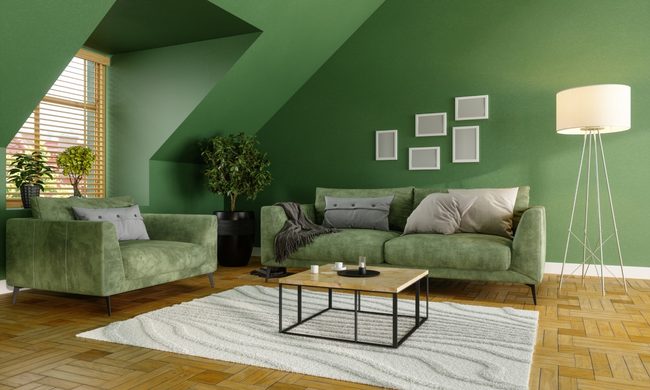
Green living room walls with velvet green sofas

What is color drenching?Color drenching is an interior design trend where a single color is used on every surface in a room. This includes walls, trim, doors, and even the ceiling, creating a cohesive and immersive atmosphere. The technique can make a small room feel larger or a spacious room feel cozier, and it often extends to furniture, radiators, and cabinetry for a bold, unified effect.

While the term color drenching is relatively new, the concept has deep roots in design history. The look can be traced to historic European interiors where monochromatic schemes added depth and luxury. Even in the Victorian era, richly saturated jewel tones were often used in grand spaces such as libraries and parlors. It reappeared during the 1960's and 1970's as well. Designers have long understood that a single, enveloping hue can create a striking sense of mood and continuity.

Read more
Houseplants: Which ones thrive in your home all year long?
Snake plant

So which plants can handle winter? For homes that tend to be cooler, hardy plants like Snake Plants (Sansevieria), Cast Iron Plants, and ZZ Plants (Zamioculcas zamiifolia) are ideal. The good news is that all three can handle temperature drops and limited sunlight. The Cast Iron Plant, for example, can thrive in conditions as low as 50 degrees Fahrenheit.

While not quite as hardy, other low-maintenance favorites include Pothos (Epipremnum), Spider Plants, Ferns, and Heartleaf Philodendrons. These do well in shadier, low-light spots and require minimal care.

Read more