
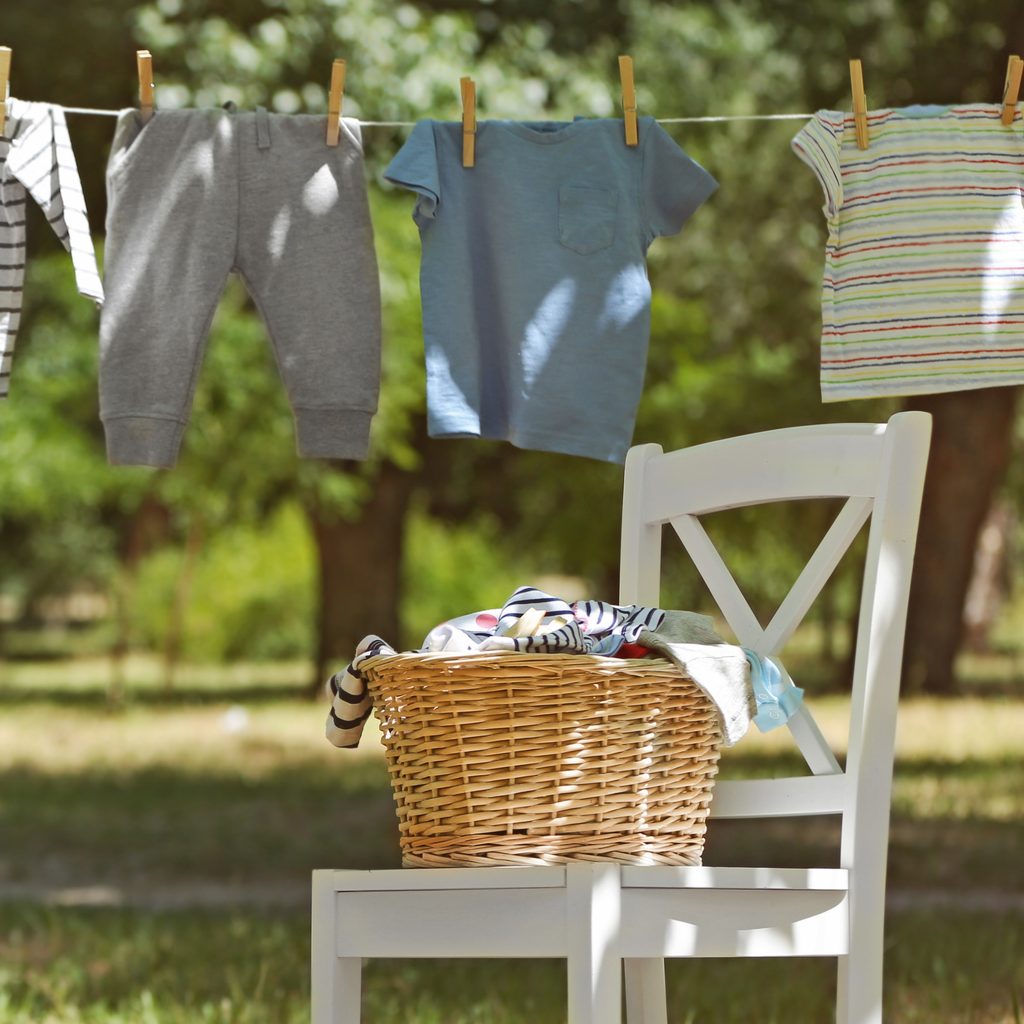
It’s happened to the best of us. You toss your favorite sweater into the wash, only to find it two sizes smaller when it comes out. Before you resign yourself to adding your favorite piece to the donate pile, take a breath. You might be able to rescue that beloved garment. Learning how to unshrink clothes isn’t as daunting as it seems — with a few simple methods, you can reverse the effects of shrinkage and reclaim your wardrobe favorites.
Why do clothes shrink in the first place?

Before diving into how to unshrink clothes, it’s important to understand why clothes shrink. The primary culprits are heat, agitation, and water. Natural fibers like wool and cotton tend to constrict when exposed to heat, and synthetic fibers can also shrink due to their reaction to hot water or dryers. The fibers in these materials are twisted tightly during the manufacturing process. When they encounter heat, they loosen and then re-tighten, often in a smaller size. Understanding this can help you take the right preventive measures moving forward.
How to unshrink clothes with gentle shampoo or conditioner
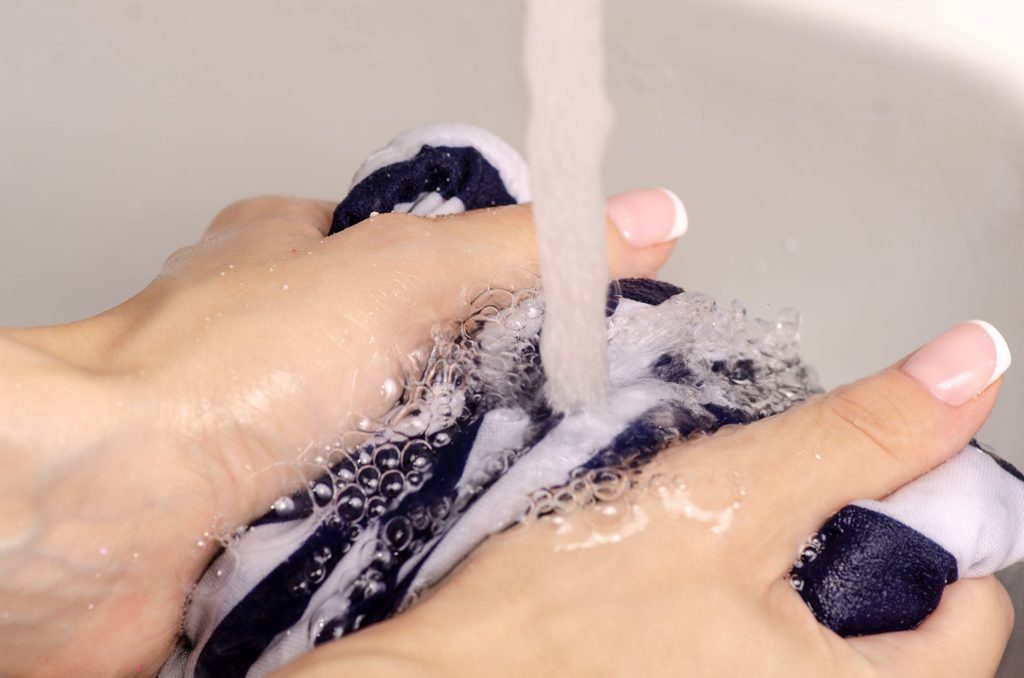
One of the most popular methods for unshrinking clothes involves using a gentle shampoo or conditioner. This technique is particularly effective for natural fibers like wool, cashmere, or cotton.
- Fill a sink with lukewarm water: Start by filling a clean sink or basin with lukewarm water. Avoid using hot water, as this can exacerbate the shrinkage.
- Add shampoo or conditioner: Add a tablespoon of gentle shampoo or conditioner to the water. Baby shampoo works particularly well, as it helps relax the fibers.
- Soak the garment: Submerge the shrunken garment in the water and let it soak for about 30 minutes. This will help loosen the fibers.
- Gently stretch: After soaking, gently squeeze out the excess water, but avoid wringing or squeezing too tightly. Lay the garment on a towel and carefully stretch it back to its original size.
- Dry flat: Leave the garment to dry flat, ideally on a fresh, dry towel.
One of the perks of this method is that it’s quick and easy and uses items you likely already have at home. It’s best for delicate fabrics like wool or cashmere, but you should avoid using this method on heavily textured or structured garments, as stretching could distort their shape.
How to unshrink clothes with vinegar
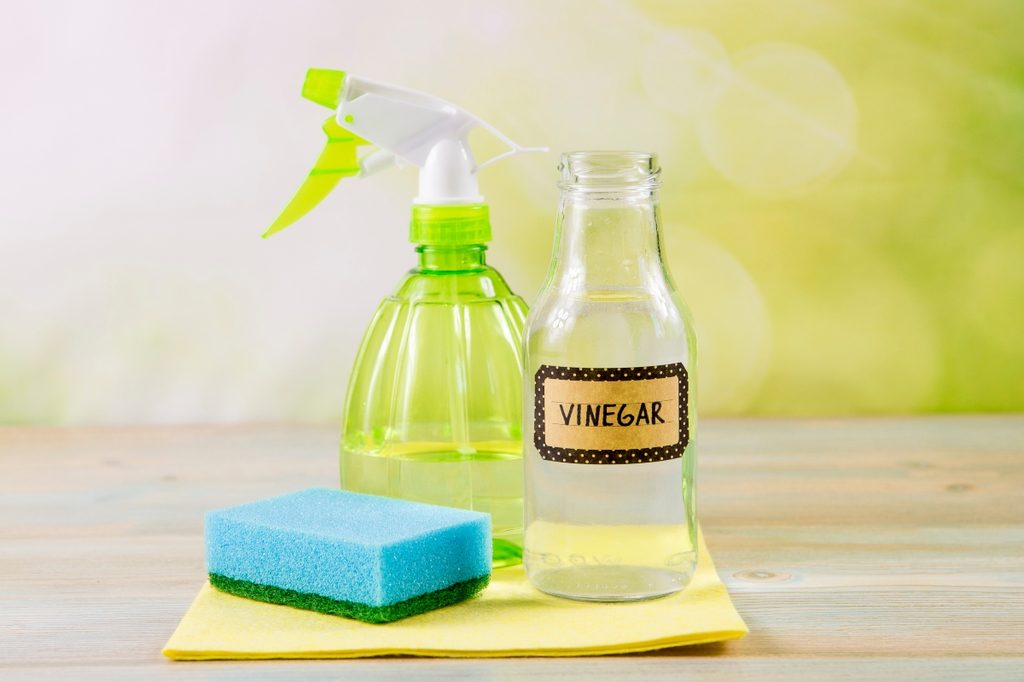
Vinegar is another household staple that can help unshrink clothes. This method works well for cotton and blended fabrics.
- Fill a sink with lukewarm water: Similar to the previous method, fill a sink or basin with lukewarm water.
- Add vinegar: Add 1 cup of white vinegar to the water.
- Soak the garment: Place the shrunken item in the water and let it soak for 30 minutes.
- Stretch the garment: After soaking, gently stretch the garment back to its original size.
- Dry flat: Dry the garment flat on a towel.
Household vinegar is a great laundry companion, as it’s inexpensive, plentiful, and does a great job softening fibers. It’s even a natural deodorizer. This method works well for cotton and synthetic blends, but you should avoid using it on delicate or dry-clean-only fabrics, as vinegar can sometimes affect their finish.
How to unshrink clothes with the blocking method
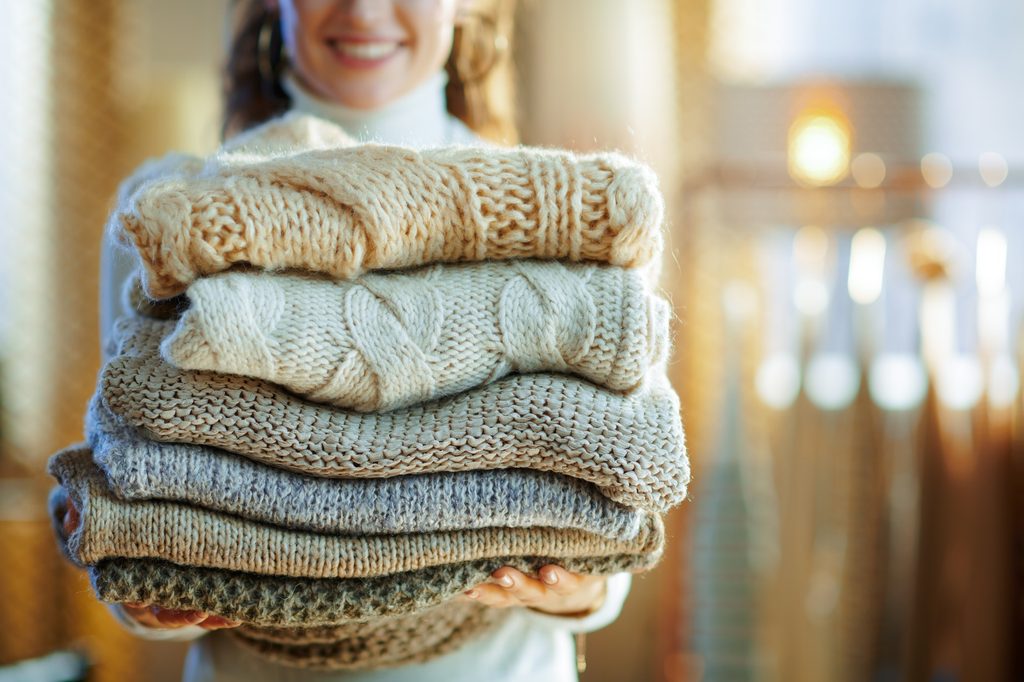
Blocking is a method used in sewing and knitting to stretch out stitches and align them. This method is ideal for structured garments or delicate fabrics like silk.
- Dampen the garment: Begin by lightly dampening the garment with water. You can use a spray bottle for this.
- Lay out the garment: Place the garment on a flat surface covered with a clean towel.
- Stretch and pin: Stretch the garment back to its original size, then pin it in place using rust-proof pins. Be careful to maintain the garment’s shape as you pin.
- Dry: Leave the garment to dry completely before removing the pins.
A great benefit of this method is that it provides precise control over the garment’s size and shape. It’s best for delicate or structured garments that need careful handling. However, avoid using this method on loosely woven fabrics, as the pins could damage the fibers.
How to unshrink clothes with a steamer
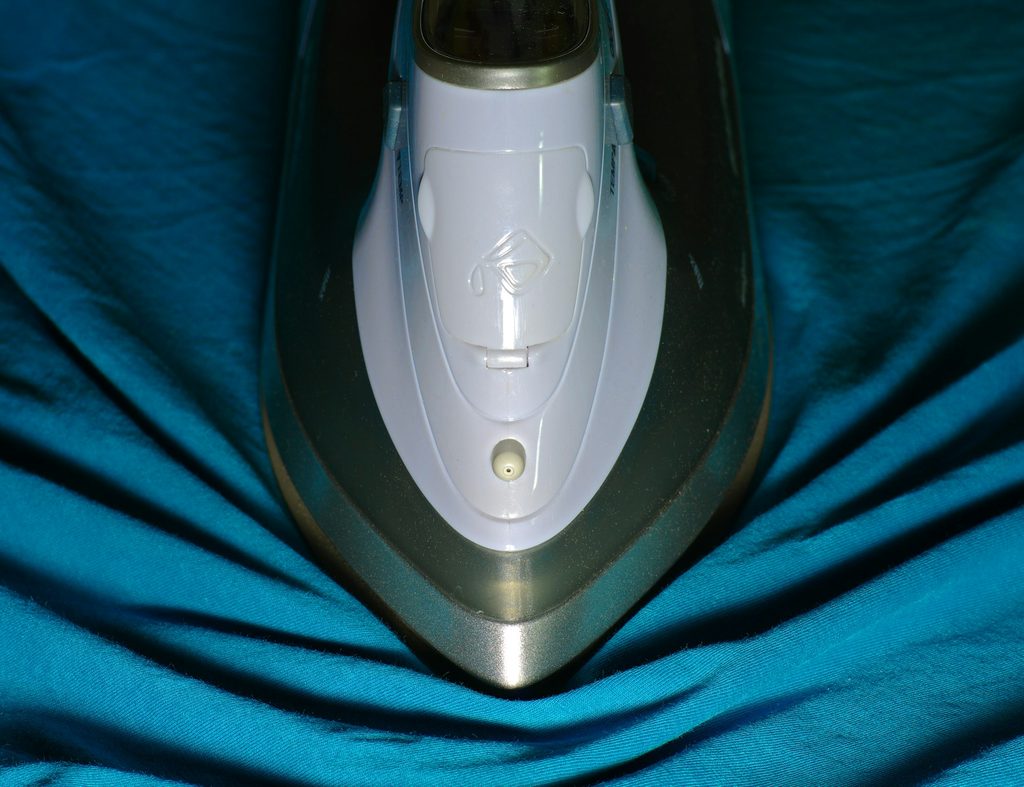
Using a steamer is another effective way to unshrink clothes, particularly for synthetic fabrics.
- Steam the garment: Using a clothes steamer, steam the garment thoroughly.
- Stretch: While the garment is still warm, gently stretch it back to its original size.
- Dry flat: Place the garment on a flat surface to dry.
This method works well since the steam helps relax synthetic fibers, making them easier to stretch. It works well for polyester and other synthetic blends, but avoid using a steamer on delicate or structured fabrics, as the steam could damage their integrity.
How to prevent laundry shrinkage in the future

Preventing shrinkage is always easier than fixing it. Here are a few tips to keep your clothes from shrinking next time:
- Read labels: Always check the care labels on your garments before laundering them. Follow the recommended washing and drying instructions.
- Use cold water: Wash clothes in cold water to minimize the risk of shrinkage.
- Air dry: Whenever possible, air dry your clothes. If you must use a dryer, opt for the lowest heat setting.
- Avoid agitation: Use a gentle cycle to prevent fibers from tightening.
Learning how to unshrink clothes can save you from heartbreak when your favorite garment emerges from the wash too small to wear. By understanding why clothes shrink and applying the right method, you can often restore them to their original size. Whether you use gentle shampoo, vinegar, blocking, or a steamer, you can reclaim those shrunken items. And by following some simple preventive measures, you can avoid shrinkage mishaps in the future.