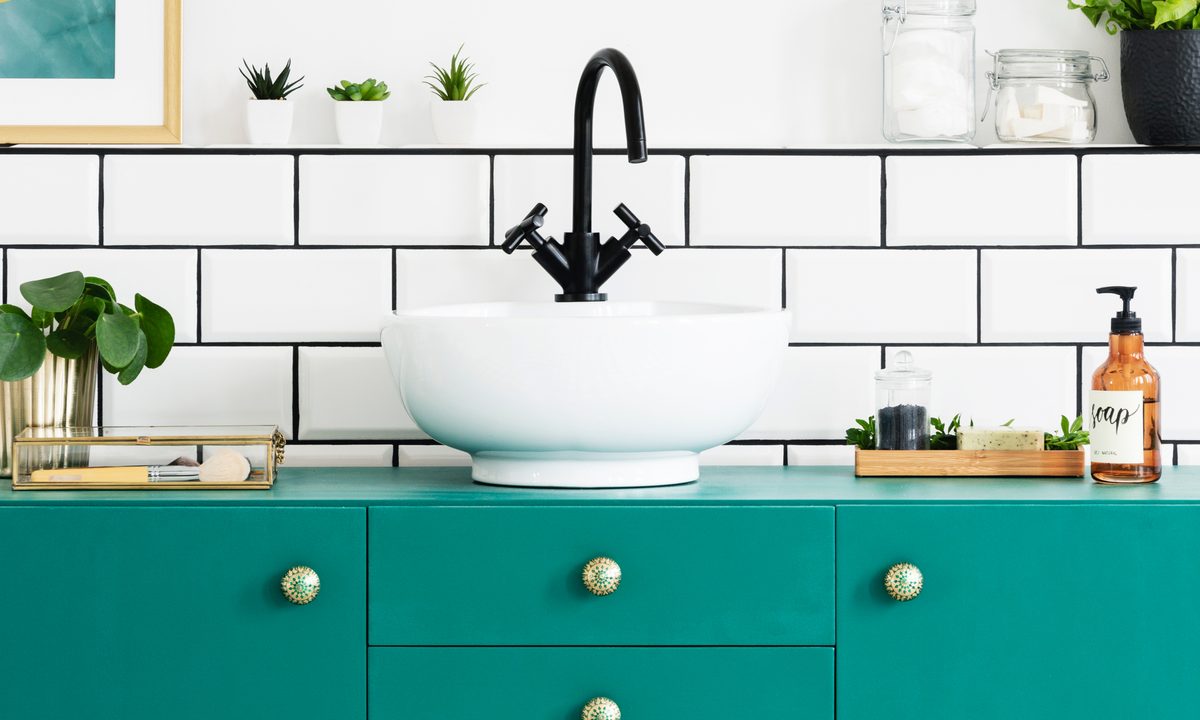
If your bathroom cabinets are looking outdated or worn, a fresh coat of paint can make a world of difference. Learning how to paint bathroom cabinets properly will not only save you money on replacements but also give your space a stylish, refreshed look. With the right tools, techniques, and patience, you can achieve a professional-quality paint finish. This guide will walk you through everything you need to know to transform your bathroom cabinets with paint.
What type of paint should you use for bathroom cabinets?
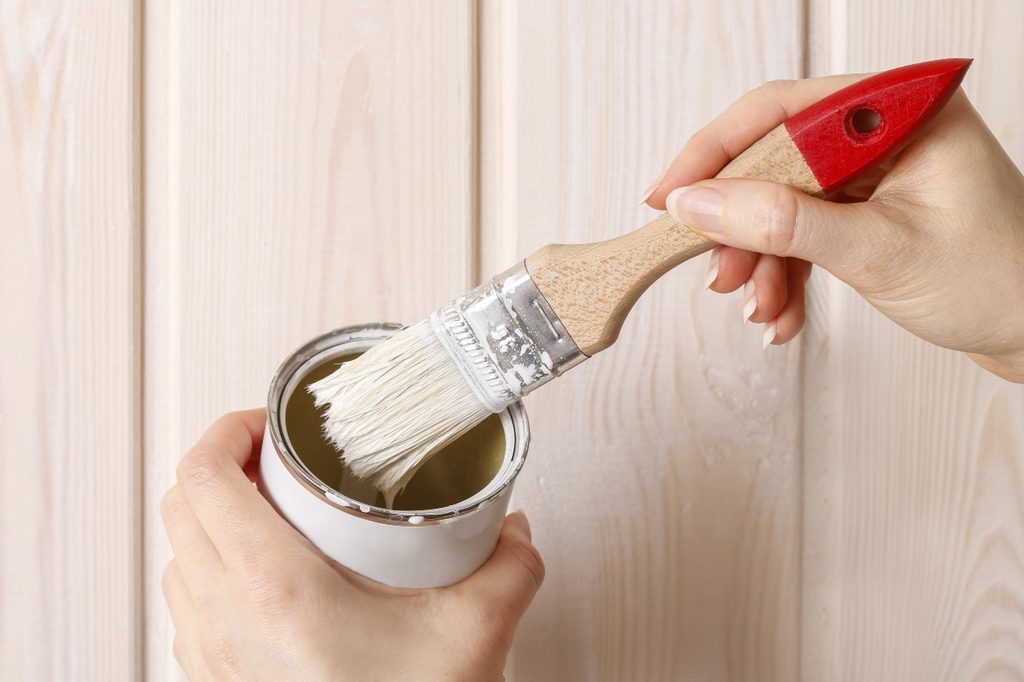
When choosing paint for bathroom cabinets, it’s important to select a product that can withstand moisture, heat, and frequent cleaning. The best options are:
- Semi-gloss or high-gloss latex paint – These finishes are durable, moisture resistant, and easy to clean, making them ideal for bathrooms.
- Acrylic urethane paint – A hybrid option that offers the durability of oil-based paint with the ease of water-based application.
- Oil-based paint – While long-lasting and durable, oil-based paints take longer to dry and require proper ventilation due to strong fumes.
No matter which type you choose, look for a paint labeled as cabinet or trim paint, as these are specially formulated for high-use surfaces.
Do you need primer when painting bathroom cabinets?
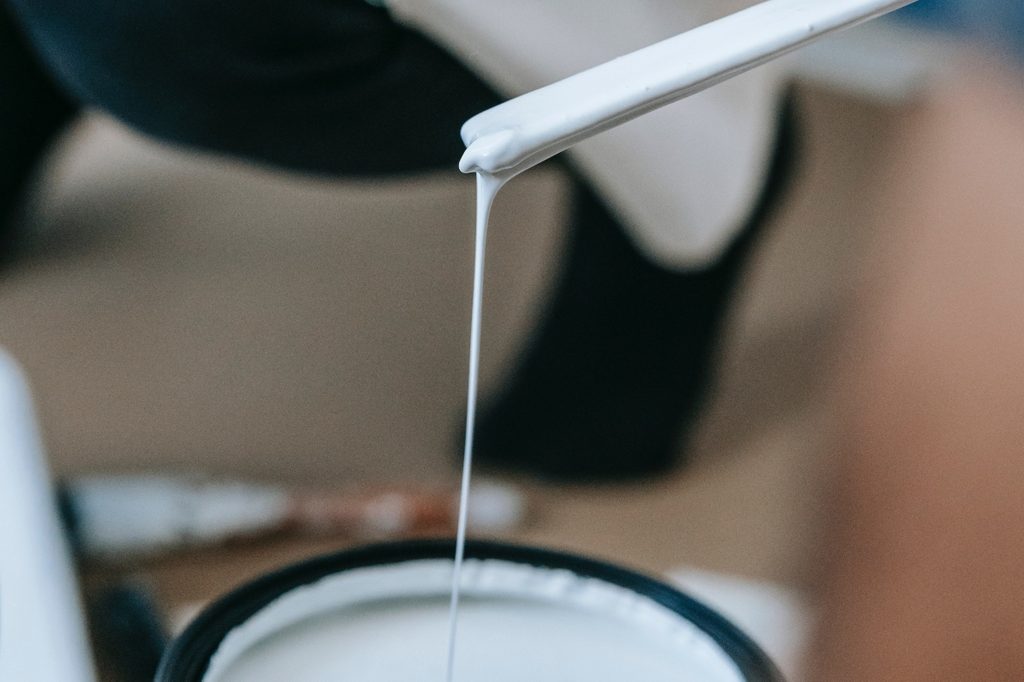
Yes, priming is an essential step when painting bathroom cabinets. This is especially true if the existing finish is glossy or dark, if you’re switching from a darker to a lighter color, or if the cabinets are laminate or have a slick surface. A bonding primer is ideal because it helps the new paint adhere better and prevents stains from bleeding through. Skipping primer can lead to peeling, uneven coverage, or the need for multiple coats of paint.
Should you paint bathroom cabinets with a roller or a brush?
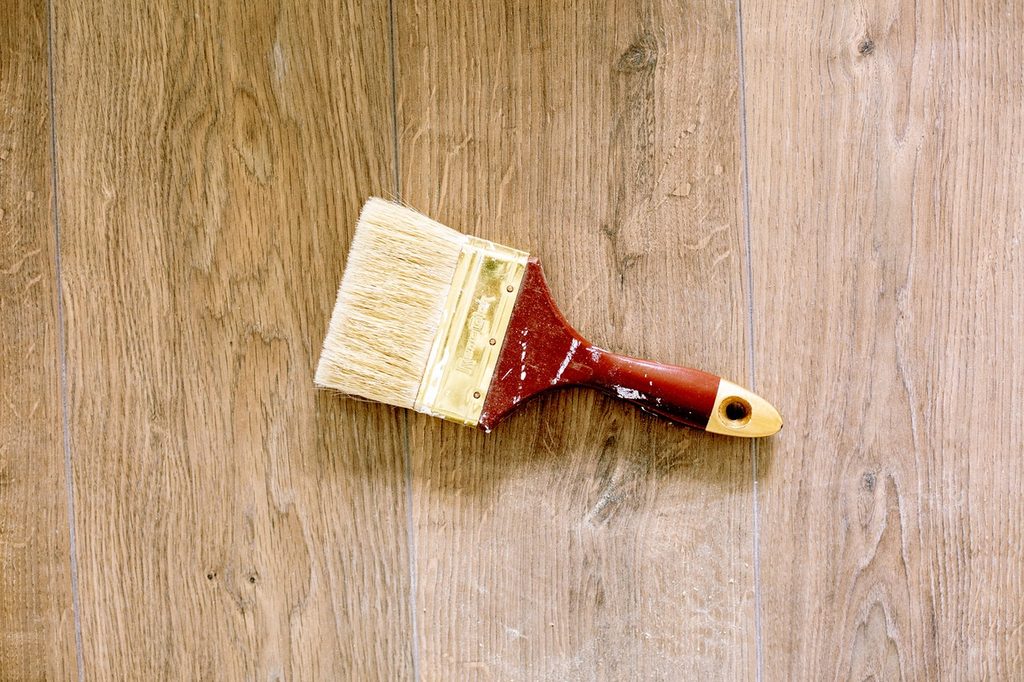
Both rollers and brushes have their place when painting cabinets, and using a combination of both often gives the best results:
- Foam rollers – Ideal for large, flat surfaces, providing a smooth, brushstroke-free finish.
- Angled brushes – Best for reaching corners, edges, and detailed areas where a roller can’t go.
- Paint sprayer (optional) – If you want the smoothest, most professional finish, a sprayer can be a great investment.
For most DIYers, a combination of a foam roller for doors and drawer fronts and a brush for edges and details work best.
How to paint bathroom cabinets
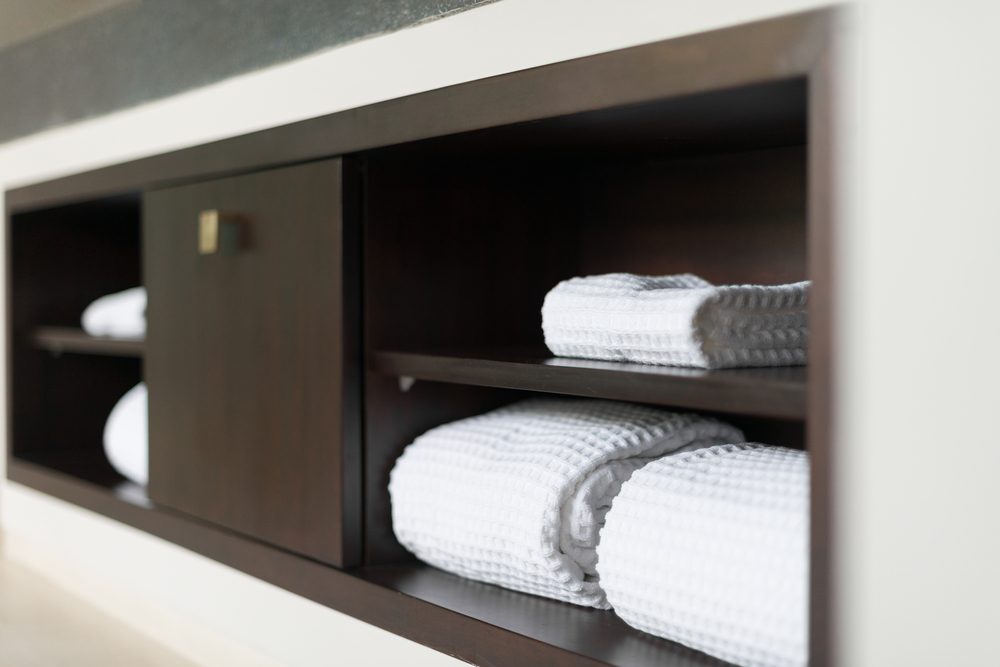
Painting bathroom cabinets involves multiple steps to ensure a long-lasting, professional-looking finish. Rushing the process or skipping steps can lead to streaks, chipping, or peeling paint over time. Follow these detailed steps to get the best results.
Prepping
Before you start painting, prepare your workspace to prevent messes and ensure a smooth process:
- Remove all cabinet doors, drawers, and hardware (handles, knobs, and hinges). Label each piece, so reassembly is easier.
- Lay down drop cloths or plastic sheeting to protect your floor and countertops.
- Use painter’s tape to cover walls, backsplashes, and mirrors to prevent accidental paint splatters.
- If painting in a small bathroom, turn on a fan or open windows for ventilation.
Cleaning
Bathroom cabinets are exposed to humidity, dust, and product residue, which can interfere with paint adhesion. Proper cleaning is a must:
- Use a degreaser or TSP (trisodium phosphate) cleaner to remove buildup.
- Wipe down surfaces with a damp cloth and let them dry completely.
- If mold or mildew is present, treat the cabinets with a diluted bleach solution before painting.
Patching and sanding
To ensure a smooth finish, inspect the cabinets for any dents, scratches, or holes:
- Fill dents or small holes with wood filler and let them dry completely.
- Lightly sand all surfaces using 120- to 220-grit sandpaper to roughen up the surface and help the paint adhere better.
- Wipe away all sanding dust with a tack cloth or damp microfiber cloth before moving on.
Priming
Applying primer is one of the most crucial steps for achieving a smooth, durable finish:
- Use a high-quality bonding primer, especially if painting over laminate or a glossy finish.
- Apply a thin, even coat using a brush or roller, following the grain of the wood.
- Let the primer dry according to the manufacturer’s instructions, then lightly sand with fine-grit sandpaper to smooth out any brush marks before applying paint.
Painting
Now for the fun part — applying the color! To ensure an even, streak-free finish, follow these steps:
- Use light, even coats: Applying thin coats prevents drips and helps the paint cure properly.
- Start with edges and details: Use a brush for hard-to-reach areas and a roller for large, flat surfaces.
- Allow each coat to dry completely: Follow the recommended drying time between coats to avoid tacky or uneven paint.
- Apply at least two coats: Most cabinets require at least two coats of paint for full coverage.
For a super-smooth finish, lightly sand between coats with fine-grit sandpaper before applying the final coat.
Reassembling
Once the paint is fully dry (at least 24 hours, but longer for oil-based paint), it’s time to put everything back together:
- Reattach cabinet doors, drawers, and hardware. If you want a fresh look, consider new knobs or pulls.
- Remove the painter’s tape carefully to avoid peeling the new paint.
- Wipe down surfaces gently to remove any lingering dust or smudges.
Painting bathroom cabinets is an easy and budget-friendly way to refresh your space without a full renovation. By following these steps and using the right tools and materials, you can achieve a professional-quality finish that lasts for years. Now that you know how to paint bathroom cabinets, you’re ready to transform your bathroom into a stylish and updated retreat.