
Wondering how to get rid of spiders in your home? Spiders, while generally harmless, can be an unsettling presence indoors. If you’re keen on keeping these eight-legged guests out of your living spaces, this comprehensive guide will help you understand what attracts spiders and provide practical steps to eliminate these pests and prevent their return.
What attracts spiders to your home in the first place?
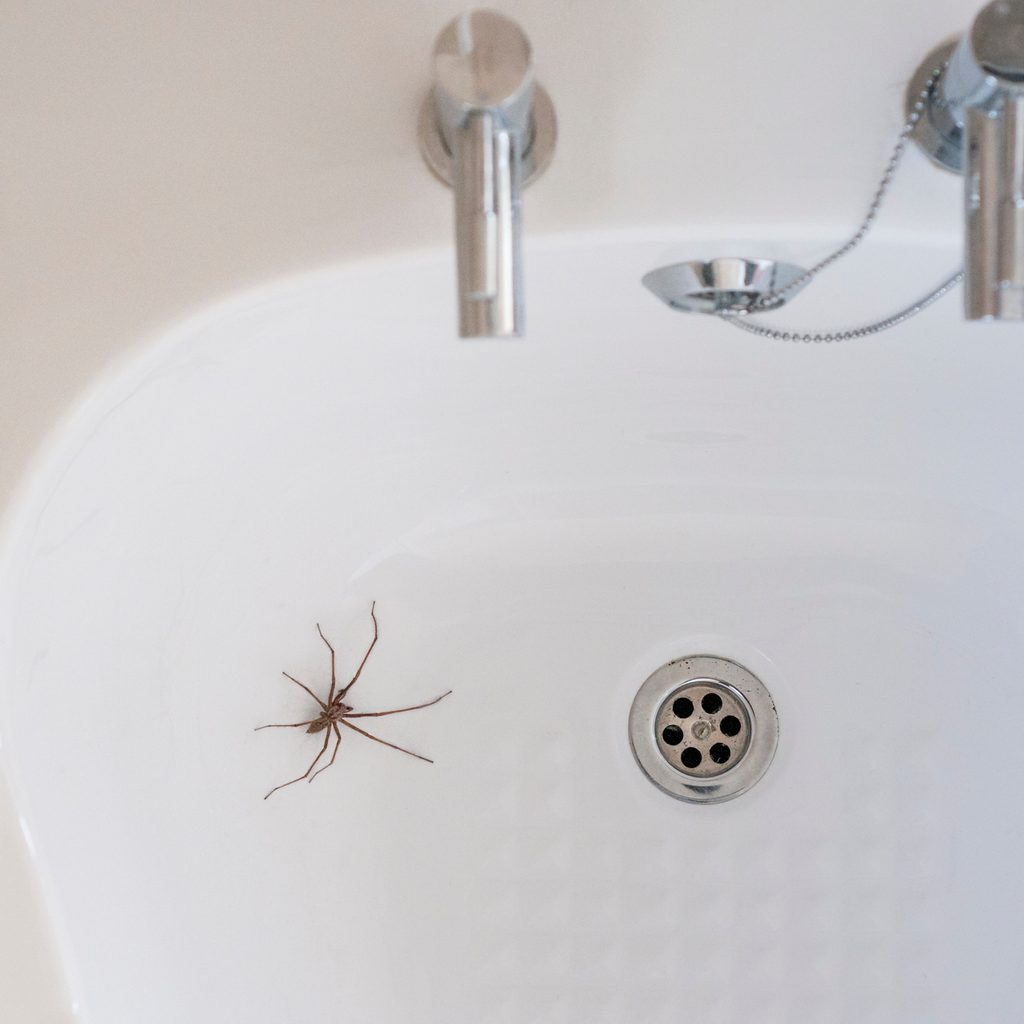
Spiders typically enter homes in search of food, shelter, and mates. Several factors can make your home particularly inviting to these arachnids. One of the main attractions is the abundance of insects, which serve as a primary food source for spiders. Homes that are cluttered or have many hiding spots, such as piles of clothes or boxes, provide ideal shelters for spiders. Additionally, homes with moisture issues, such as leaks or high humidity, create a conducive environment for spiders and their prey. Understanding these factors is the first step in tackling a spider infestation.
How to get rid of spiders

Getting rid of spiders involves a combination of cleaning, pest control, and preventive measures. By targeting the reasons spiders find your home attractive and implementing strategies to remove them, you can significantly reduce their presence.
Vacuum thoroughly
Regularly vacuuming your home is a straightforward yet effective way to reduce the spider population. Focus on areas where spiders tend to hide, such as corners, under furniture, and in closets. Vacuuming not only removes spiders but also their webs and egg sacs, preventing future generations from emerging.
Make a homemade cleaning solution
Creating a homemade cleaning solution can help deter spiders from setting up shop in your home. Mix water, vinegar, a few drops of dish soap, thyme oil, and citrus oil in a spray bottle. The acidic nature of vinegar and the scent of citrus oils are particularly unappealing to spiders. Spray this solution on surfaces where you frequently find spiders. The scent will repel them, and the mixture will make it difficult for them to attach their webs.
Clean your home from top to bottom
A thorough cleaning routine is essential in your fight against spiders. Use your homemade cleaning solution to wipe down surfaces, corners, and ceilings. Pay extra attention to dark, undisturbed areas where spiders are likely to hide. Cleaning also helps eliminate other insects, which are a food source for spiders, thereby making your home less attractive to them.
Play some loud music
Interestingly, spiders are sensitive to noise. Playing loud, continuous music can make them uncomfortable and prompt them to move to quieter locations. This method might not eliminate spiders entirely, but it can encourage them to relocate away from frequently used areas in your home.
How to keep spiders away
Once you’ve dealt with the existing spider population, implementing preventive measures is crucial to keep them from returning.
Seal cracks and gaps
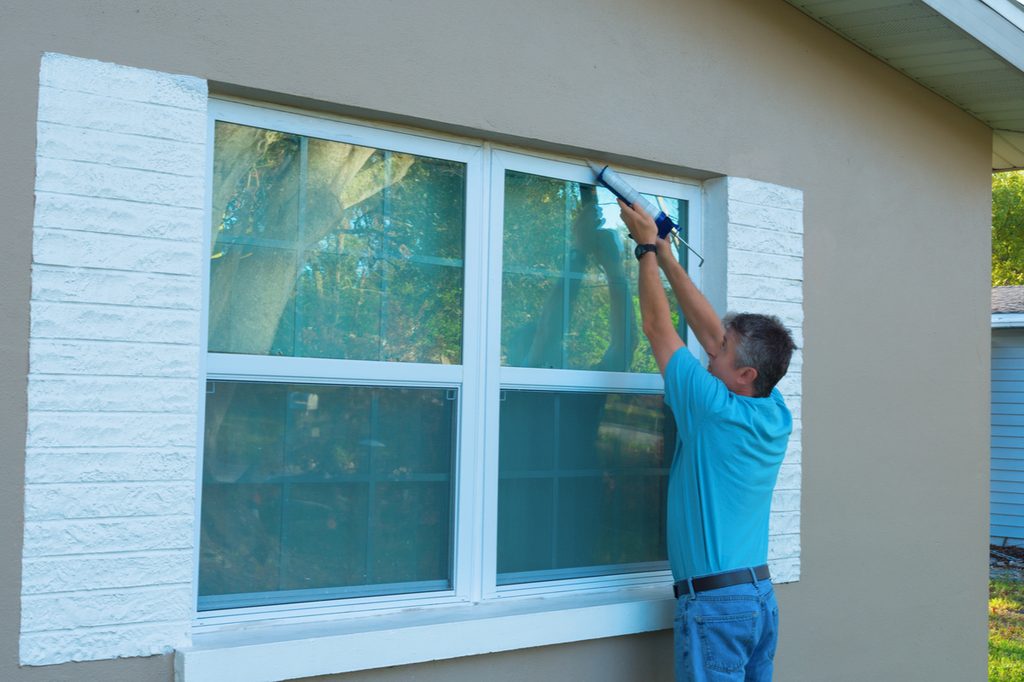
One of the most effective ways to keep spiders out is to seal any cracks and gaps around your home. Inspect your home’s foundation, windows, doors, and any other potential entry points. Use caulk or weather stripping to seal these openings, making it harder for spiders to get inside.
Use an exterior pesticide
Applying an exterior pesticide around the perimeter of your home can create a barrier that deters spiders. Focus on spraying areas like the foundation, windowsills, and door frames. Be sure to follow the manufacturer’s instructions and take appropriate safety precautions when using pesticides.
Peppermint oil perimeter inside
Peppermint oil is a natural insect repellent. Mix a few drops of peppermint oil with water in a spray bottle and apply it around the interior perimeter of your home. The strong scent of peppermint is offensive to spiders, and it also leaves a fresh aroma in your living spaces.
Incorporate cedar throughout your home
Cedar is another natural deterrent for spiders. Consider incorporating cedar into your home by using cedar blocks, chips, or shavings in closets, drawers, and other storage areas. You can also use cedar hangers for your clothes. The scent of cedar is unpleasant to spiders and can help keep them at bay.
Bring in spider-repelling plants
Certain plants have properties that repel spiders. Placing indoor herbs like basil, mint, lavender, or eucalyptus around your home can help deter spiders. Additionally, decorating with bouquets of marigolds or chrysanthemums can add beauty to your home while keeping spiders away. These plants not only repel spiders, but they also add a pleasant fragrance to your living spaces.
Invest in spider-repelling pouches
Spider-repelling pouches are commercially available and contain natural ingredients that spiders find unpleasant. Place these pouches in areas where you commonly find spiders, such as the basement, attic, and closets, to help keep them away.
Manage your home’s humidity
Spiders and their prey are attracted to moisture. Managing your home’s humidity levels can make it less appealing to these pests. Use dehumidifiers in damp areas, fix any leaks, and ensure your home is well ventilated. By reducing moisture, you create an environment that is less hospitable to spiders and other insects.
Learning how to get rid of spiders involves a combination of cleanliness, natural repellents, and preventive measures. By understanding what attracts spiders to your home and implementing the strategies outlined in this guide, you can significantly reduce their presence and enjoy a spider-free living space. Regular cleaning, sealing entry points, and using natural repellents will go a long way in keeping spiders at bay. With these steps, you can maintain a home that is not only clean and inviting but also free from unwanted eight-legged guests.