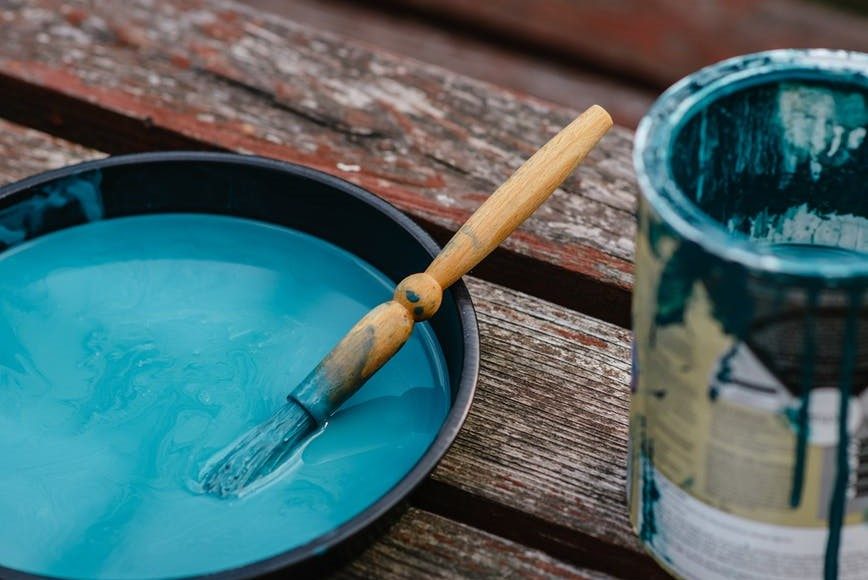
When working on small paint jobs, like refreshing a room or even a single accent wall, you’re usually left with more paint than you need. It’s better to have extra paint than not enough, but then you have to have to figure out what to do with all the leftover paint cans. Whether you hold onto it for future use, throw it away, or give it to someone else, it’s important to store and dispose of extra paint properly to protect both yourself and the environment.
Why you may want to keep leftover paint
Don’t dispose of paint too quickly after finishing a project — keep it around just in case you realize that you missed a spot or the wall looks like it needs an additional coat. You may also want to keep the paint stored in your home in case any knicks, scrapes, or holes arise in the walls. After patching the blemishes, you can then paint over it until it looks as good as new. Further, if your home has a cohesive color scheme, keep the paint to use as an accent color, repainting bookshelves or tables to pull the whole space together.
That being said, if you don’t have a use for the paint, feel free to discard it. When you do, just be sure to get rid of it in a way that won’t harm the community or the environment.
The do’s and don’ts
Disposing of paint incorrectly can pollute the environment, endanger other people, and run afoul of local laws. First things first:
- Don’t throw leftover paint in the trash. It can create a mess and put sanitation workers at risk. Depending on local laws and regulations, it may also be illegal.
- Don’t pour paint down a sewer drain, either, as it can damage the septic system and pollute the water supply.
The proper paint disposal method depends on whether you have water-based (latex) or oil-based paint. Research the local policy on paint disposal to see if your town offers curbside recycling. If any such program does exist, pay close attention and follow the rules carefully to avoid getting fined.
How to dispose of water-based paint properly
Water-based paint is often safe to dispose of with your regular household trash as long there’s only a small amount left and it’s completely dry. To dry the leftover paint, remove the lid and leave the can sitting in the sun, making sure that curious kids and pets can’t get to it. If there is a significant amount of leftover paint, use cat litter, shredded newspaper, sawdust, or mulch to soak up the excess or purchase paint hardener at a local hardware store.
How to dispose of oil-based paint properly
You cannot leave oil-based paint with your regular trash, even if it’s dried, because it’s considered hazardous household waste. If local regulations state you cannot dispose of paint with your household trash, water-based or not, find a hazardous waste facility in your area. There, professionals can dispose of it in a safe and environmentally friendly way. Call the facility or check its website ahead of time to learn about its operating procedures. You may have to bring the paint during a specific window of time on a particular day, or the facility may refuse paint that’s still wet or without a label.
Donate or sell leftover paint
People in your community may be happy to take unused paint off your hands, so ask friends and family members if they’re on the hunt for a discounted can of paint. Odds are, someone you know is working on a household project and could use another can or two.
Nonprofit organizations may also be grateful for a donation of unused paint. Reach out to Habitat for Humanity, a local homeless shelter, domestic violence shelter, or animal shelter to ask if they need painting supplies. Often, a local school or performing arts center will also be happy to accept your unwanted paint for use in a mural, set design, or other types of art projects.
You can also post an ad online on Craigslist, Facebook Marketplace, or other platforms, offering extra cans for free or at a discounted price.
Dispose of leftover paint responsibly
Your extra paint may not be useful to you, but you can always sell or donate it to someone else who will certainly benefit from it. If not, do your research to determine how to dispose of it in a way that complies with local laws and that protects the environment.