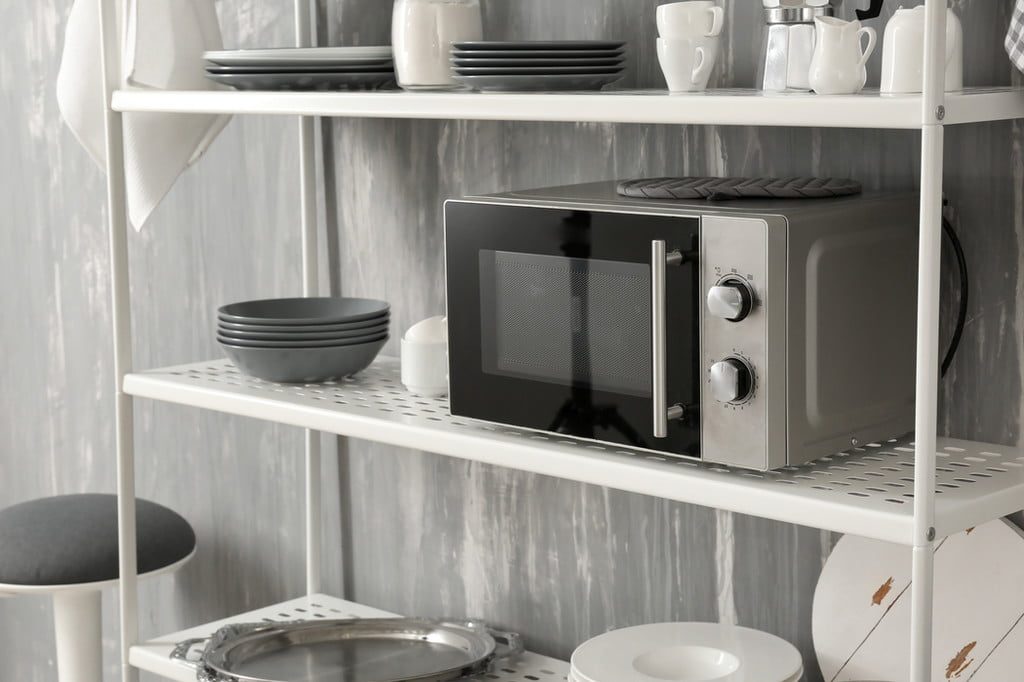
Microwaves are one of the most frequently used small appliances in the kitchen. Though you may not cook your whole dinner in them like people did when they first came onto the scene, they are still used frequently to warm up pizza, melt butter, boil water, and more.
Using this popular kitchen gadget often means it needs to be cleaned frequently, but no one likes to clean their microwave. It has hard-to-reach corners and can be tough to get that stuck-on food off the door and ceiling of the appliance. Don’t worry, though, we have some tips and tricks for how to clean a microwave quick and easy!
Method one: Dish soap
Cleaning a microwave with water and dish soap is simple and effective. Start by filling a microwave-safe bowl with warm water and adding a few drops of dish soap. Place the bowl in the microwave and heat on high for about 2-3 minutes. The steam will loosen any grime and food particles.
After microwaving, let the bowl sit for a couple of minutes to allow the steam to work. Carefully remove the bowl and use a damp sponge or cloth to wipe down the interior, including the turntable. This method leaves your microwave clean and smelling fresh without harsh chemicals.
Method two: White vinegar
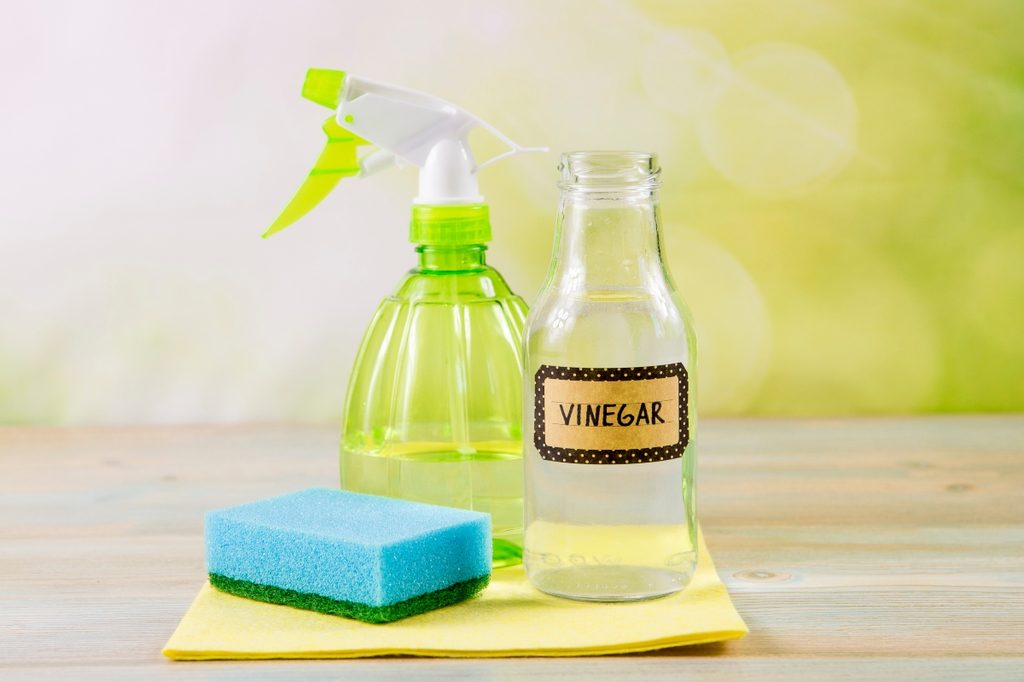
The first tried-and-true method for cleaning your microwave utilizes a fan favorite among natural cleaning products — white vinegar. If you can handle the smell of the vinegar, it is one of the best cleaners for everything from carpet stains to windows and glassware.
Simply pour one cup of white vinegar and one cup of water into a microwave-safe bowl. Place the container in the microwave and set the time for 5 – 10 minutes depending on the strength of your microwave. When the time is up, use a potholder to remove the bowl from the microwave — the bowl will be super hot.
Next, use a microfiber cloth to wipe the inside of your microwave clean. The steam that the water and vinegar mixture created will have loosened up the cooked-on food splatters, making it easy to wipe them clean. If your microwave has a glass turntable, you can take that out and run it through the dishwasher or wash it like you would any other dish.
Method three: Lemon juice
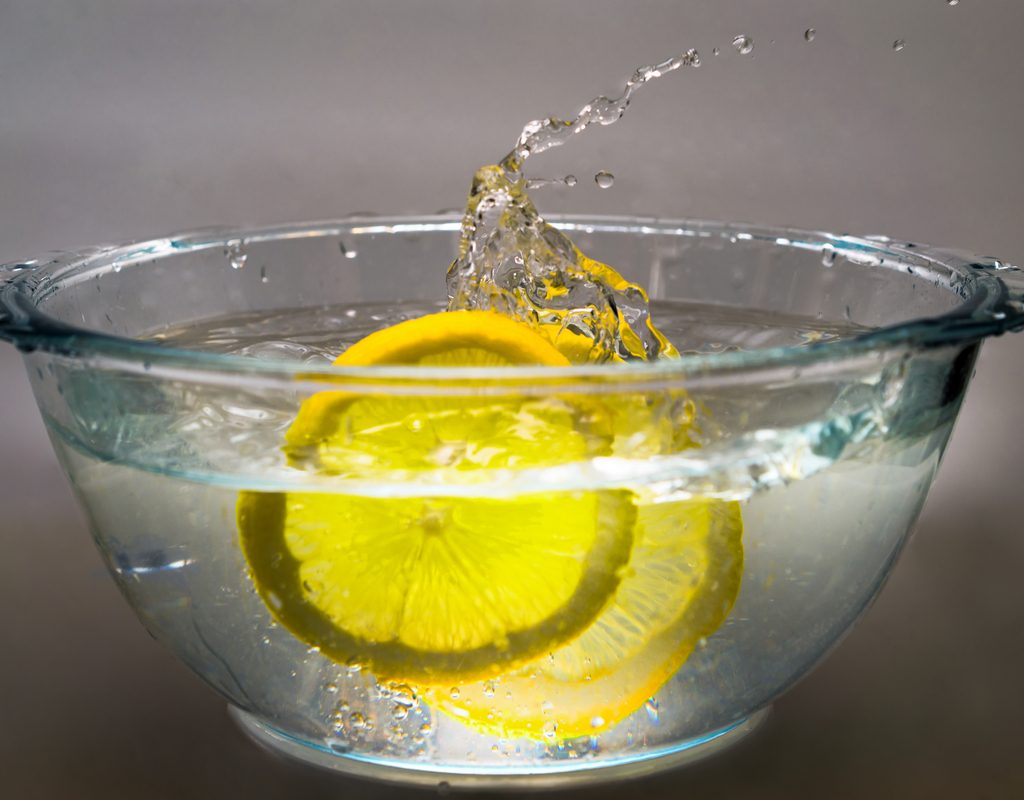
If you can’t handle the smell of white vinegar, fear not. This second method uses the leftover lemons that you have already squeezed the juice out of (you can use a not-squeezed lemon instead if you want).
Take the lemon and cut it in half, if it is not already, and place it on a microwaveable plate. Add a tablespoon of water to the plate. Microwave for 1 – 2 minutes or until the lemon is hot and the inside of the microwave is steamy. When the time is up, use a potholder to remove the plate from the microwave — the dish will be super hot.
You can now use a microfiber towel or paper towels to wipe away all of the mess that was inside the microwave. Again, the power of steam combined with the natural essential oils from the lemon will have loosened up the stuck-on food, thus making it easy to remove with little to no effort at all.
Bonus tips for cleaning your microwave
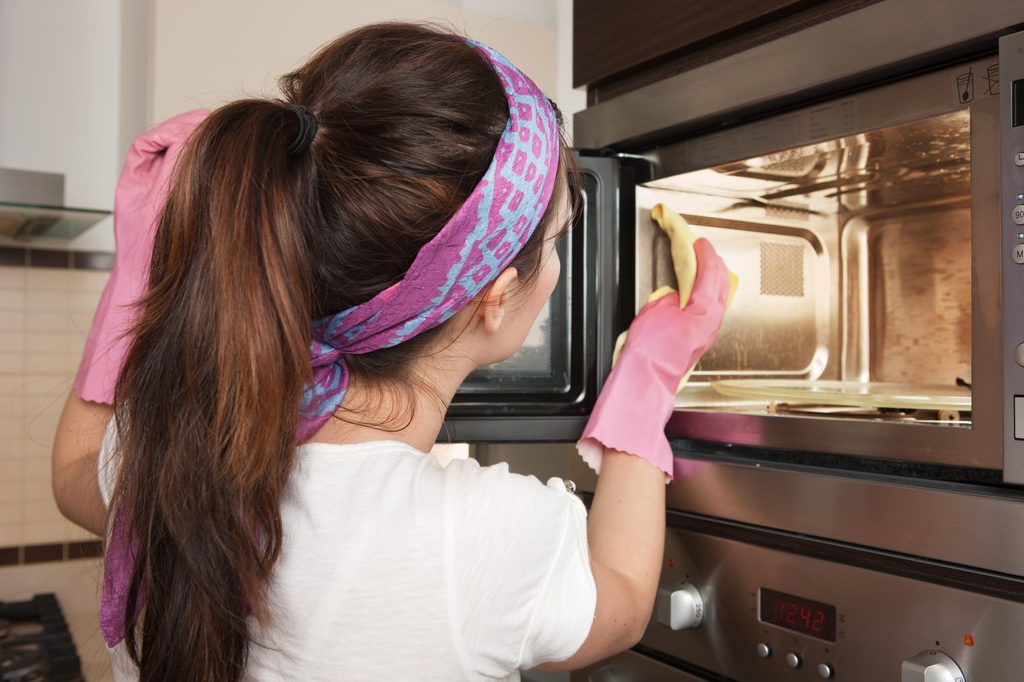
- Rubbing alcohol on the outside: To get the outside of your microwave as shiny and clean as the inside now is, pour a bit of rubbing alcohol onto a microfiber cloth or paper towel. Use the cloth or paper towel to buff the outside of the microwave until it shines like new.
- Repurpose used lemons: Used lemons are a fantastic and natural way to disinfect and clean your garbage disposal. Cut the lemon you used to clean the microwave into smaller pieces put them in the disposal. Run really hot water down the drain while the disposal is running. This will clean the drain and leave it smelling fresh.
- Try baking soda: Mix baking soda and vinegar and you have a natural, powerful cleaning agent. It’s not only used for making volcanoes erupt in science class.