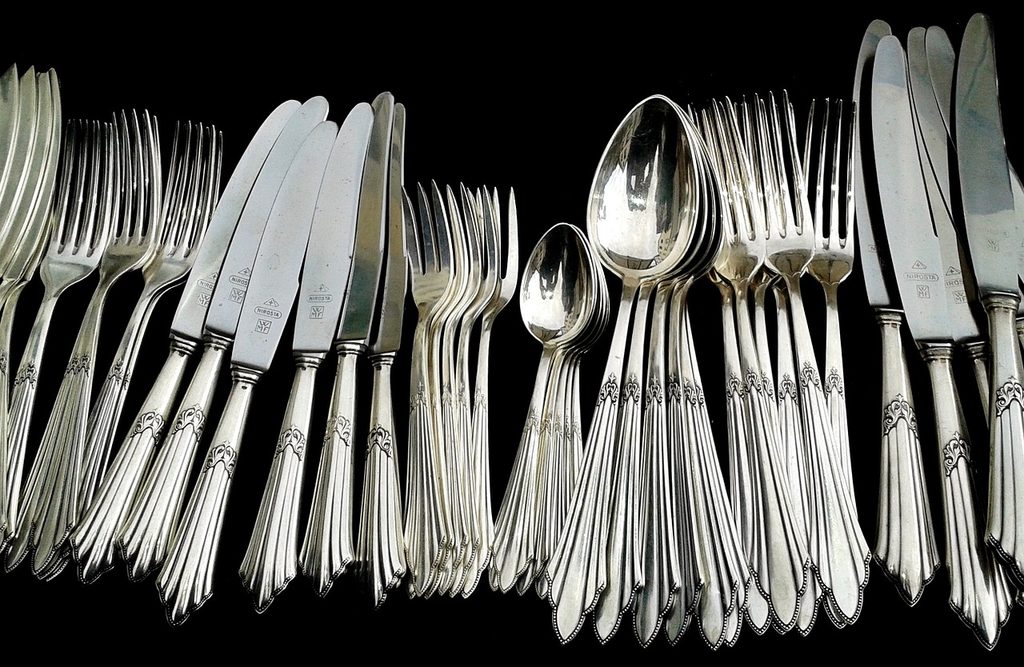
Silver flatware adds elegance and charm to any dining experience. However, over time, silverware can tarnish and lose its luster. Learning how to clean silver properly can help restore its shine and beauty, ensuring your flatware continues to sparkle for years to come. Let’s explore why silver tarnishes, the best hacks for cleaning silver, and how to polish and store your silver flatware properly to prevent tarnishing.
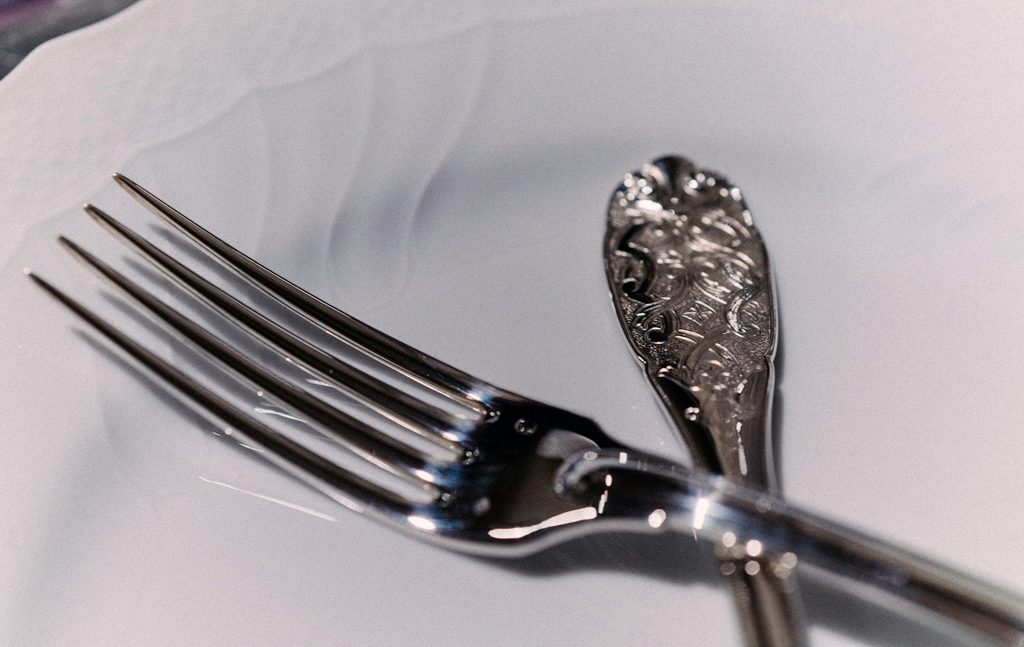
Why does silver tarnish?
Silver tarnishes because of a chemical reaction between the silver and sulfur-containing compounds in the air. This reaction forms silver sulfide, a dark layer that dulls the surface of the silverware. Factors such as exposure to air, moisture, and certain chemicals can accelerate tarnishing. Additionally, handling silver with foods containing sulfur compounds, such as eggs or onions, can also contribute to tarnish buildup over time.
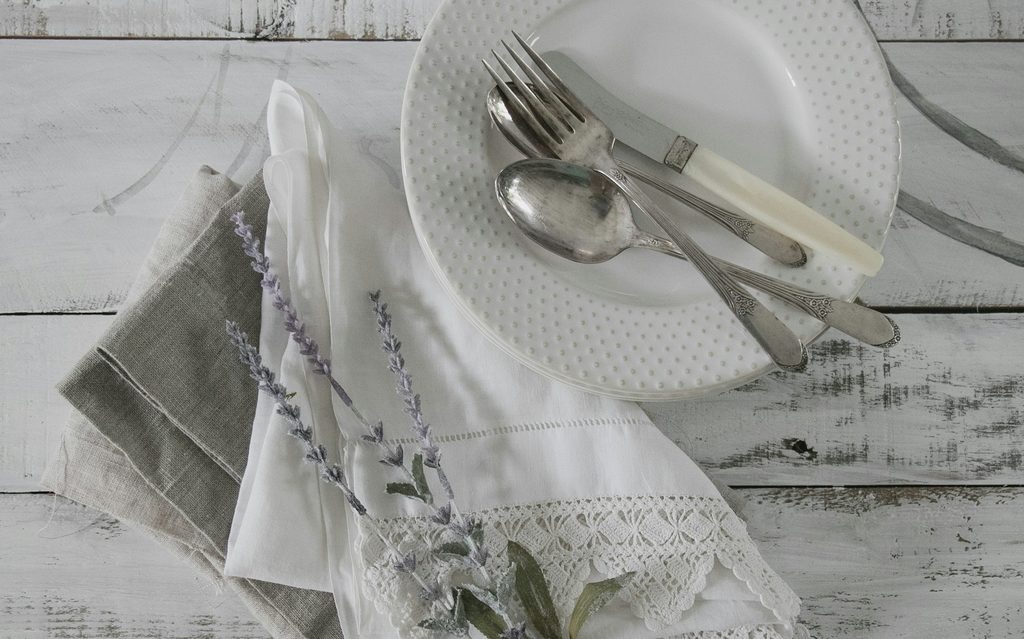
How to clean silver the right way
Cleaning silver requires gentle yet effective cleaning hacks to remove tarnish without damaging the metal. Here’s a step-by-step guide on how to clean silver flatware.
Materials and tools you’ll need
- Mild dish soap
- Soft microfiber cloth
- Soft-bristled toothbrush
- Silver polish (optional)
- Polishing cloth (optional)
Step 1: Prepare a cleaning solution
Fill a bowl with warm water and add a small amount of mild dish soap. Mix gently to create a sudsy solution.
Step 2: Clean the silverware
Submerge the silver flatware in the cleaning solution and let it soak for a few minutes to loosen the tarnish. Use a soft cloth to gently wipe away the tarnish, paying attention to intricate details and crevices. For stubborn tarnish, use a soft-bristled toothbrush to gently scrub the surface.
Step 3: Rinse and dry
Once the tarnish is removed, rinse the silverware thoroughly under lukewarm water to remove any soap residue. Dry the silverware with a soft, lint-free cloth to prevent water spots and tarnish from forming.
How to polish silver so it shines
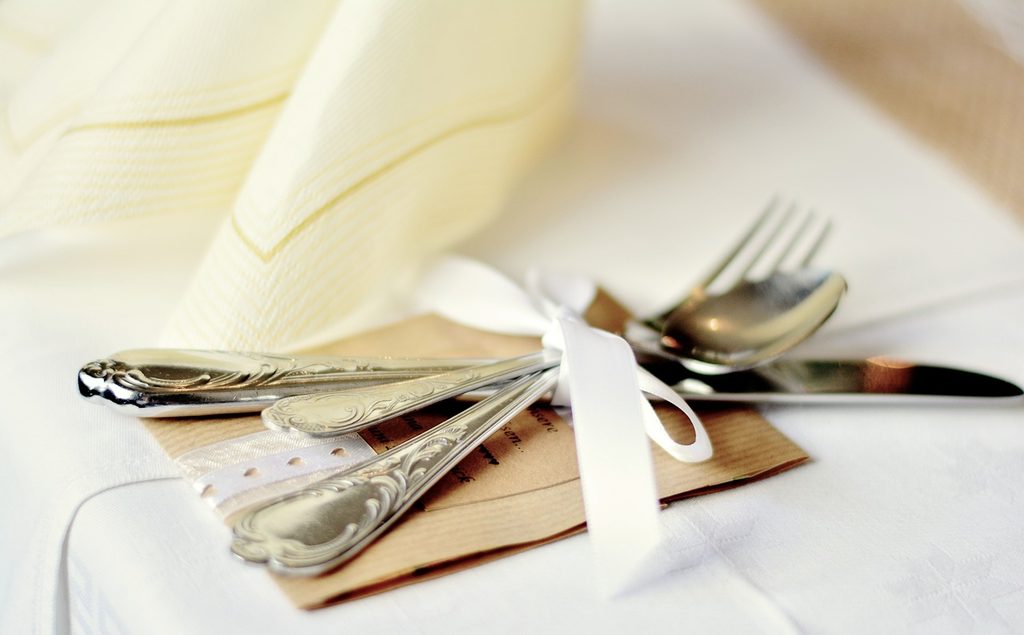
Polishing silver adds an extra layer of shine and helps protect the surface from tarnishing. Here’s how to polish silver flatware effectively.
Materials and tools you’ll need
- Silver polish cream or polish wipes
- Soft polishing cloth
Step 1: Apply silver polish
Apply a small amount of silver polish cream to a soft polishing cloth or use pre-treated silver polish wipes. Gently rub the polish onto the silverware in circular motions, focusing on one piece at a time.
Step 2: Buff the silver
Using a clean section of the polishing cloth, buff the silverware to remove any excess polish and reveal a brilliant shine. Continue buffing until the silverware gleams brightly.
Can you polish silver flatware with natural ingredients?
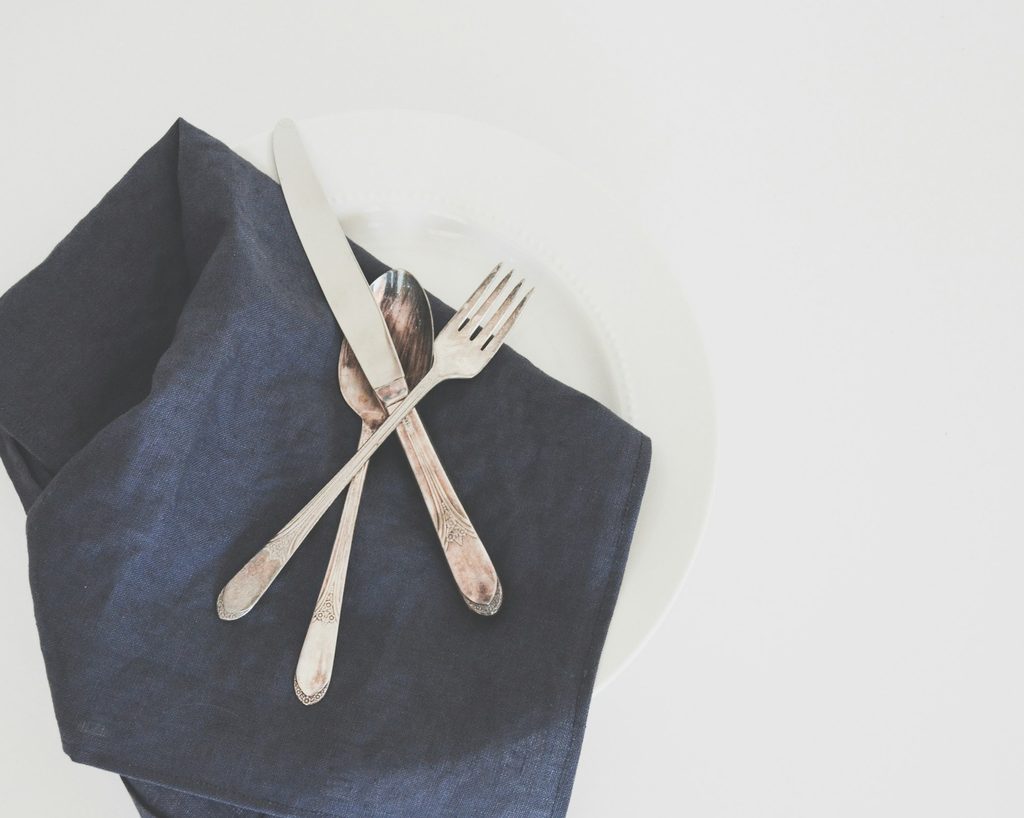
Yes, you can clean silver naturally using common household items like baking soda, white vinegar, and lemon juice. These natural ingredients can effectively remove tarnish from silverware without the use of harsh chemicals. Simply create a paste using baking soda and water, or soak the silver in a mixture of white vinegar and lemon juice to help restore its shine.
How to store silver flatware properly
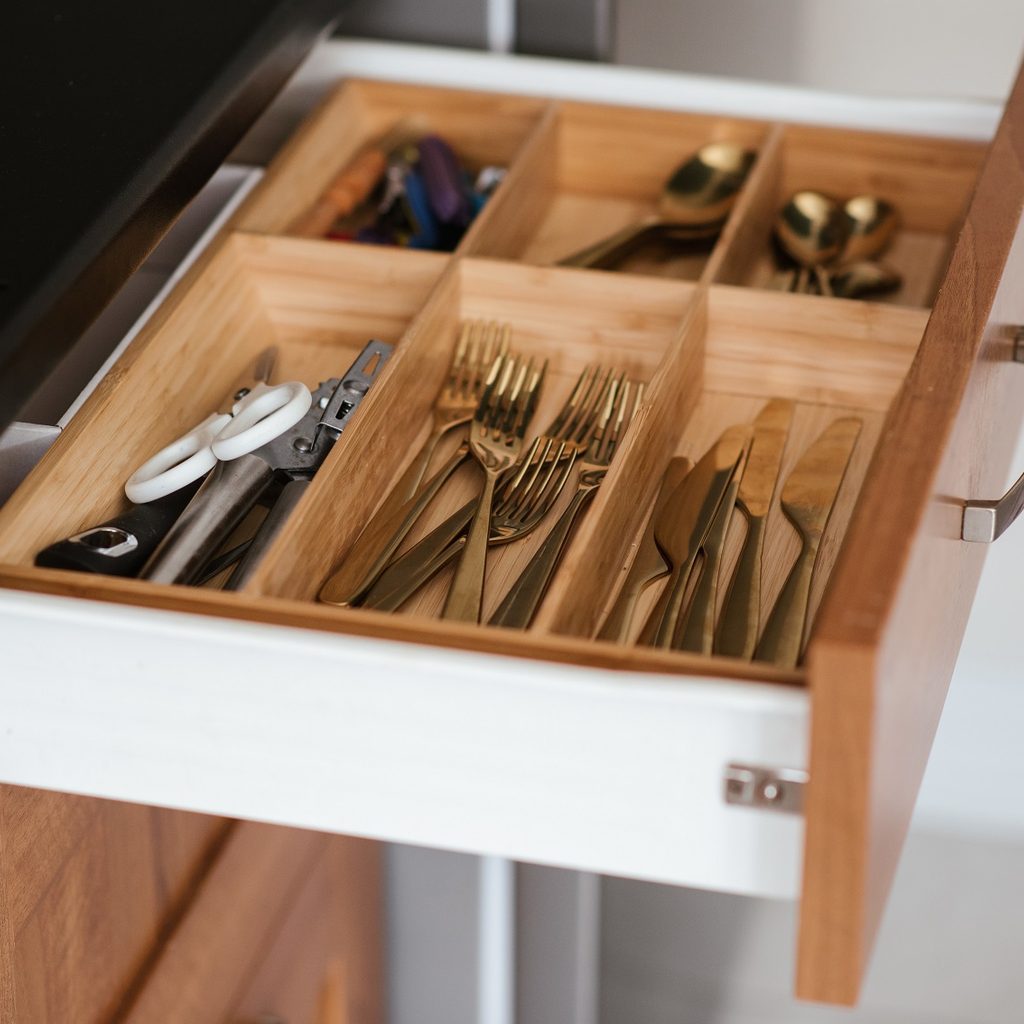
Proper storage is essential for preserving the shine and luster of silver flatware. Follow these tips to store your silverware correctly:
- Store silver flatware in tarnish-resistant cloth or felt bags to protect it from exposure to air and moisture.
- Avoid storing silverware directly on wood surfaces, as certain types of wood contain acids that can accelerate tarnishing.
- Consider using anti-tarnish strips or silica gel packs in storage containers to absorb moisture and prevent tarnish buildup.
- Store silver flatware in a cool, dry place away from sunlight and humidity.
With the right care and cleaning routine, your silver flatware can continue to sparkle and shine for generations. By understanding why silver tarnishes and following proper cleaning, polishing, and protective storage techniques, you can keep your silverware looking beautiful for years to come. So, roll up your sleeves, gather your cleaning supplies, and let your silver flatware shine bright once again.