

Knowing how to clean a bathtub properly can make a big difference in your bathroom’s appearance and hygiene. Over time, soap scum, hard water stains, and grime can build up, making your bathtub look dull and uninviting. Regular bathroom cleaning not only keeps your tub looking fresh but also helps maintain its material and prevent long-term damage.
Whether you have an acrylic, fiberglass, or porcelain bathtub, following the right cleaning steps can ensure a spotless shine without causing any harm to the surface.
How to clean a bathtub: The basics
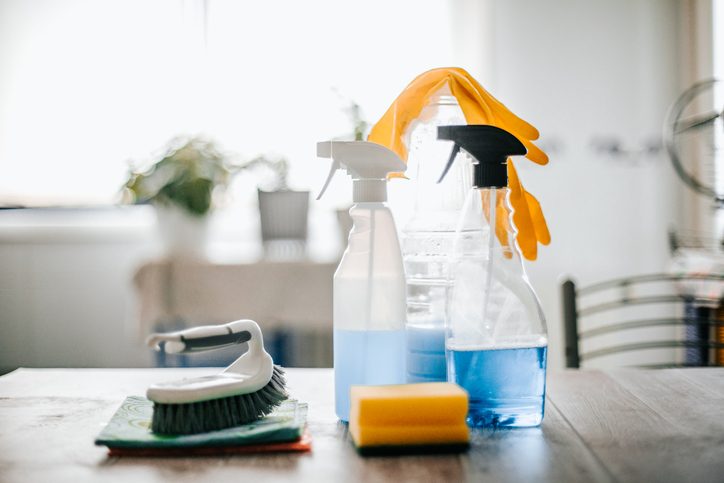
Cleaning your bathtub doesn’t have to be a daunting task. With the right tools and a simple routine, you can maintain a sparkling clean tub with minimal effort. Here are the basic steps for cleaning any bathtub.
Step 1: Gather your cleaning supplies
Before you begin, make sure you have the necessary tools and products:
- A nonabrasive sponge or soft cloth
- A bucket or cup for rinsing
- Baking soda or a mild abrasive cleaner
- White vinegar or a bathtub-specific cleaner
- Dish soap (for regular maintenance)
- A scrub brush (for tougher stains)
Step 2: Rinse and remove debris
Start by rinsing the bathtub with warm water to remove loose dirt and hair. If there is any large debris or buildup, wipe them away with a damp cloth or sponge.
Step 3: Apply your cleaning solution
Sprinkle baking soda over the tub’s surface or apply a bathtub cleaner of your choice. If you prefer a DIY approach, mix equal parts of white vinegar and dish soap in a spray bottle and generously spray the tub. Let the solution sit for 10 to 15 minutes to break down grime and soap scum.
Step 4: Scrub gently but thoroughly
Use a nonabrasive sponge or soft brush to scrub the tub in circular motions. Pay extra attention to corners, edges, and the drain area where buildup tends to accumulate.
Step 5: Rinse and dry
Once you’ve scrubbed the entire tub, rinse it thoroughly with warm water to remove all cleaning residue. Use a microfiber cloth or towel to wipe down the surface, preventing water spots and streaks.
Now that we’ve covered the general cleaning process, let’s take a closer look at how to clean specific bathtub materials.
How to clean an acrylic bathtub
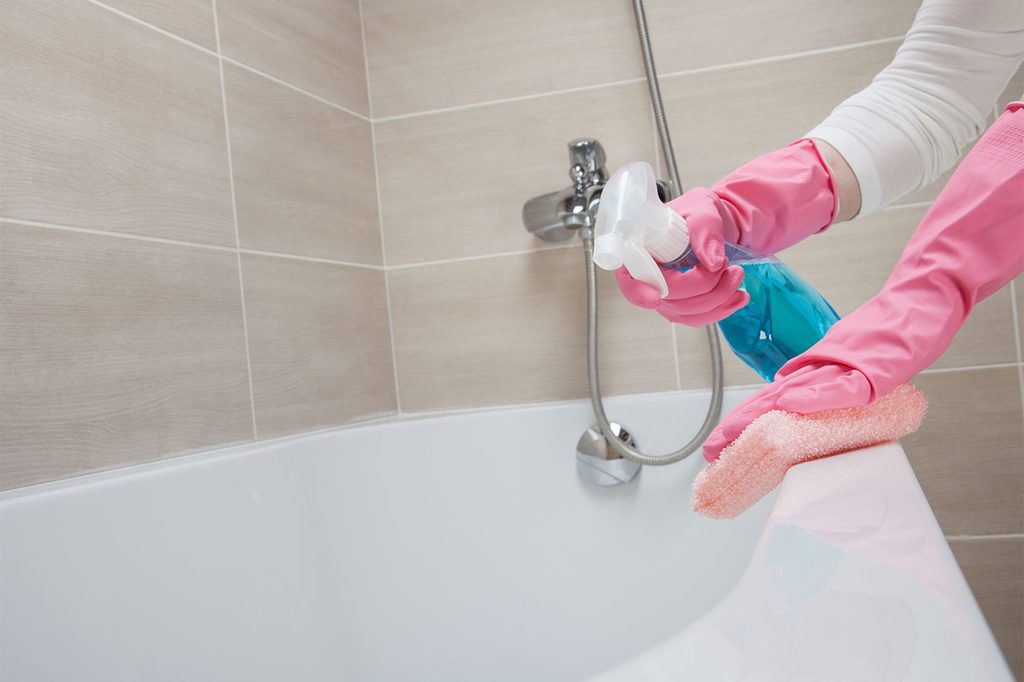
Acrylic bathtubs are lightweight, affordable, and easy to maintain, but they can scratch easily if cleaned with harsh materials. To keep your acrylic tub in top condition.
- Avoid abrasive scrubbers like steel wool or rough brushes.
- Use a mild dish soap, vinegar, or a nonabrasive cleaner.
- Wipe the tub with a soft sponge or microfiber cloth.
- Rinse well and dry with a clean towel to prevent water spots.
How to clean a fiberglass bathtub

Fiberglass bathtubs are durable but can become stained over time. Here’s how to clean them safely.
- Use a gentle cleaner, such as baking soda and water or diluted dish soap.
- Apply the cleaner and let it sit for a few minutes before scrubbing with a soft brush.
- Avoid harsh chemicals like bleach, which can damage the finish.
- Rinse thoroughly and dry with a towel.
How to clean a porcelain bathtub

Porcelain bathtubs are highly durable but can be prone to staining. To keep them looking new, follow these steps.
- Use a mild abrasive like baking soda for deep cleaning.
- Avoid using acidic cleaners like vinegar, which can dull the finish.
- Scrub with a nonabrasive sponge or a soft-bristle brush.
- Rinse and buff dry to maintain shine.
Tackling common bathtub stains and grime
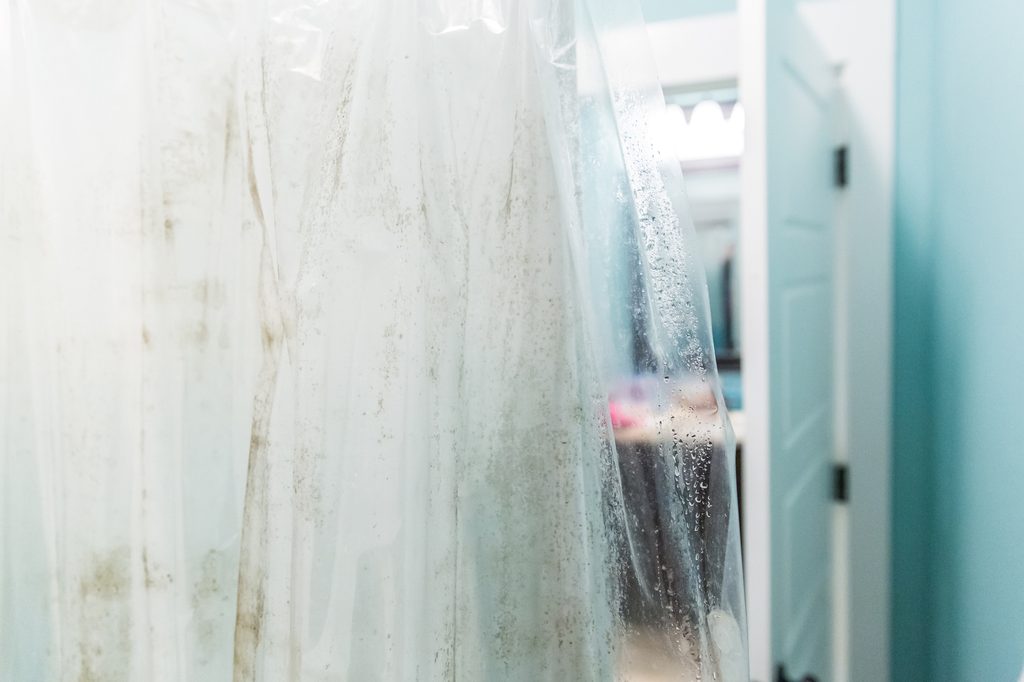
Even with regular cleaning, some stains and grime can be stubborn. Addressing these issues promptly can prevent long-term damage and keep your bathtub looking pristine. Below are some common bathtub stains and how to remove them.
Soap scum
Soap scum forms when soap residue mixes with minerals in water, leaving a cloudy film on your bathtub’s surface. To remove it:
- Mix equal parts white vinegar and dish soap in a spray bottle.
- Spray generously and let it sit for 10 to 15 minutes.
- Scrub with a sponge and rinse thoroughly.
Hard water deposits
Hard water stains result from mineral buildup, especially in areas with high calcium and magnesium levels. To tackle hard water deposits:
- Apply white vinegar directly to the stains and let it sit for 15 minutes.
- Scrub with a soft brush or sponge.
- Rinse well and dry to prevent further buildup.
Rust stains
Rust stains can develop from metal fixtures or high iron content in water. To remove them:
- Make a paste with baking soda and hydrogen peroxide.
- Apply the paste to the stain and let it sit for 30 minutes.
- Scrub gently and rinse thoroughly.
Mold and mildew
Mold and mildew thrive in damp areas, making bathtubs a common breeding ground. To eliminate them:
- Spray a solution of equal parts water and hydrogen peroxide on the affected areas.
- Let it sit for 10 minutes, and then scrub with a brush.
- Rinse well and dry to prevent regrowth.
Tips for keeping your bathtub cleaner for longer

Regular maintenance can help you avoid deep cleaning sessions and extend the life of your bathtub. Here are some tips to keep your tub cleaner for longer:
- Wipe down the tub after each use – Use a microfiber cloth to remove excess water and prevent soap scum buildup.
- Use a daily shower spray – A homemade mix of vinegar and water can help keep stains at bay.
- Keep bathroom humidity low – Install an exhaust fan or open a window to prevent mold and mildew.
- Avoid leaving bath products on the tub’s surface – Shampoo bottles and soap bars can cause stains over time.
- Deep clean once a week – Regular cleaning prevents grime from accumulating and makes future cleanups easier.
Learning how to clean a bathtub properly can save you time and effort while keeping your bathroom looking spotless. Whether you have an acrylic, fiberglass, or porcelain tub, using the right cleaning methods and products ensures a long-lasting shine. By incorporating these simple bathtub cleaning tips, you can enjoy a pristine, inviting bathtub every day.