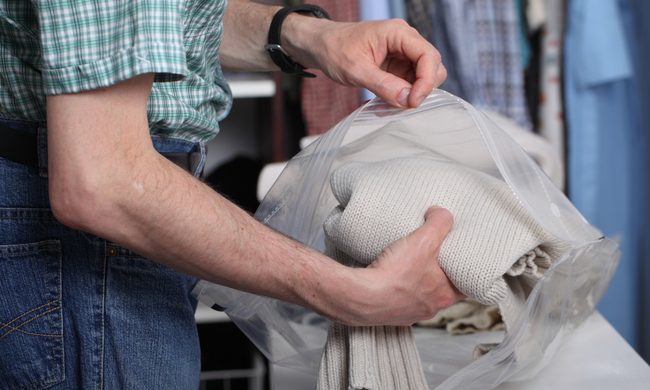
Finding mold in the home is always frustrating, whether it’s a single spot of mold growing on the wall, or an expanding mass taking over the carpet. Many people often don’t notice mold until it’s too late, and though chemicals like bleach or borax can help, some prefer solutions that are less harsh. Thankfully, there are eco-friendly ways to remove mold from your home without harming yourself or your family.
With the right ingredients, many of which are common household materials, you can kill many types of bacteria, fungus, and mold to leave your home looking squeaky clean.
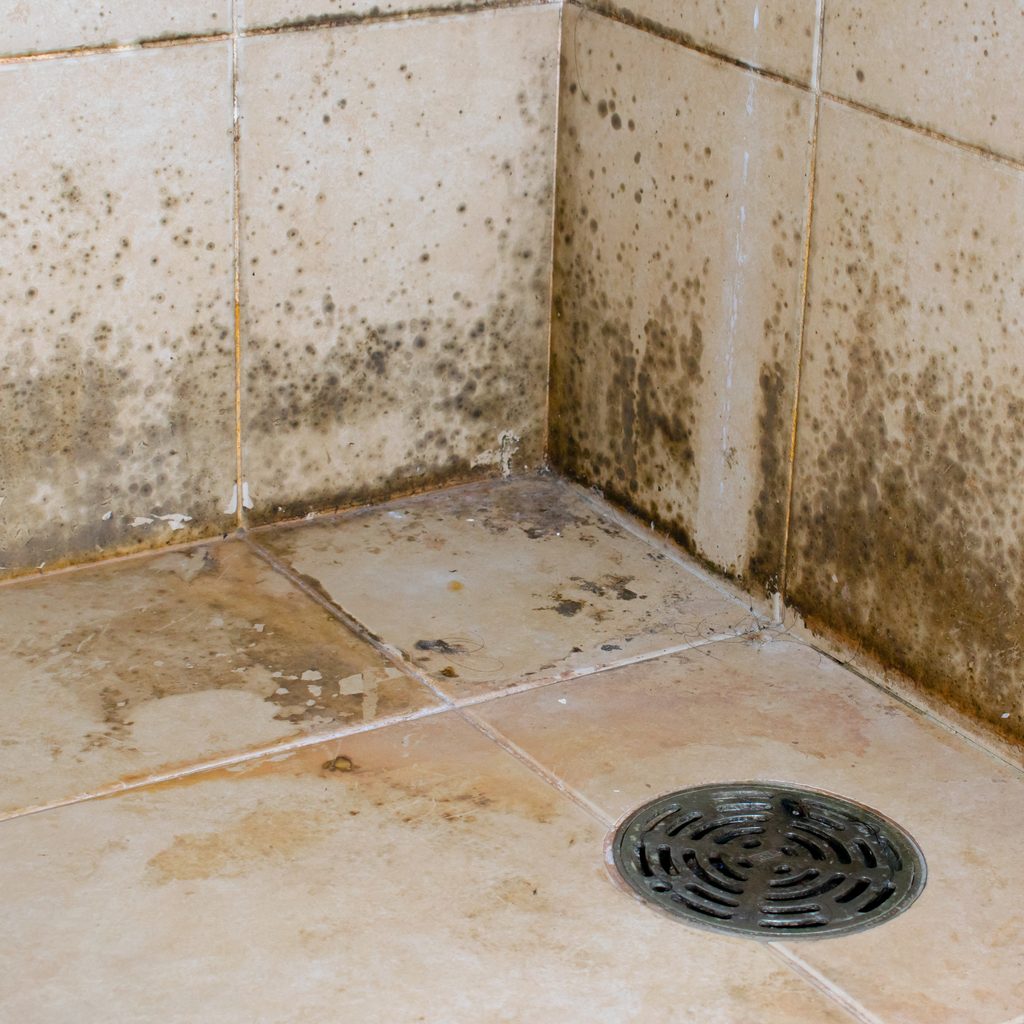
What are mold’s health effects?
Mold can produce allergens that can cause allergic reactions or extreme irritation. When spending a lot of time in a moldy space, you breathe in these allergens, and they can wreak havoc on your respiratory system. Inhaling spores or fragments from household mold may cause:
- Nasal congestion
- Wheezing
- Chest tightness
- Coughing and throat irritation
Moreover, prolonged exposure to mold growth and high levels of indoor dampness can reduce lung function and contribute to chronic respiratory problems such as asthma.
Vinegar can kill many mold species
Vinegar has an antimicrobial effect on fungi that can eliminate many mold species. Regular white vinegar — the type traditionally used for cooking — contains a concentration of five percent acetic acid. But to be most effective against stubborn mold, buy cleaning vinegar with a concentration of ten percent or more. You can find these types in most home improvement stores or in the cleaning aisle of your local grocery or department store.
When using vinegar against mold, pour vinegar on the moldy area and leave it for a few minutes, giving it time to work its magic. Once the mold absorbs the vinegar, use a small scrub brush to lift the mold before wiping away excess vinegar and rinsing with water. This step is crucial, as the acid in vinegar can wear away at oil-based paints, making the spot on the wall look dull and worn.
Vinegar is also an efficient household disinfectant when diluted in water (one part vinegar to ten parts of water). Spray surfaces like kitchen counters or tiles to keep them clean and prevent mold from attaching to them in the future.
Hydrogen peroxide eradicates mold
Hydrogen peroxide is eco-friendly and kills many mold species on contact. Like vinegar, the chemical makeup of hydrogen peroxide acts as a disinfectant, removing the fungus and bacteria present in mold spores. Be aware however, that mixing vinegar and hydrogen peroxide will not result in an even stronger solution. Instead, the two chemicals react to create a toxic substance.
Hydrogen peroxide works by oxidizing the spores and breaking them down. This reaction does not leave behind any toxic residues or fumes, so it’s an excellent choice for those with asthma, allergies, or other respiratory-related concerns. To use hydrogen peroxide against mold, spray it directly on the area where the mold is growing. Wait for about ten minutes when the surface stops bubbling, then wipe away the mold and excess hydrogen peroxide with a clean brush or rag.
Baking soda prevents mold growth
Baking soda is a fantastic alternative to commercial products that are much more severe and could harm curious kids and pets. To get rid of mold growth on most surfaces, and prevent it from returning, simply apply baking soda. Baking soda absorbs the moisture that mold species thrive on, and it’s a deodorizer so it’ll get rid of the musty stench as well.
Scrub away mold by mixing a generous amount of water and baking soda in a spray bottle. Spray the baking soda solution onto your moldy surface, then let it sit for 30 to 45 minutes. Finally, scrub it off using an old cloth or sponge and remove any excess solution from the wall with a damp rag.
Things to remember
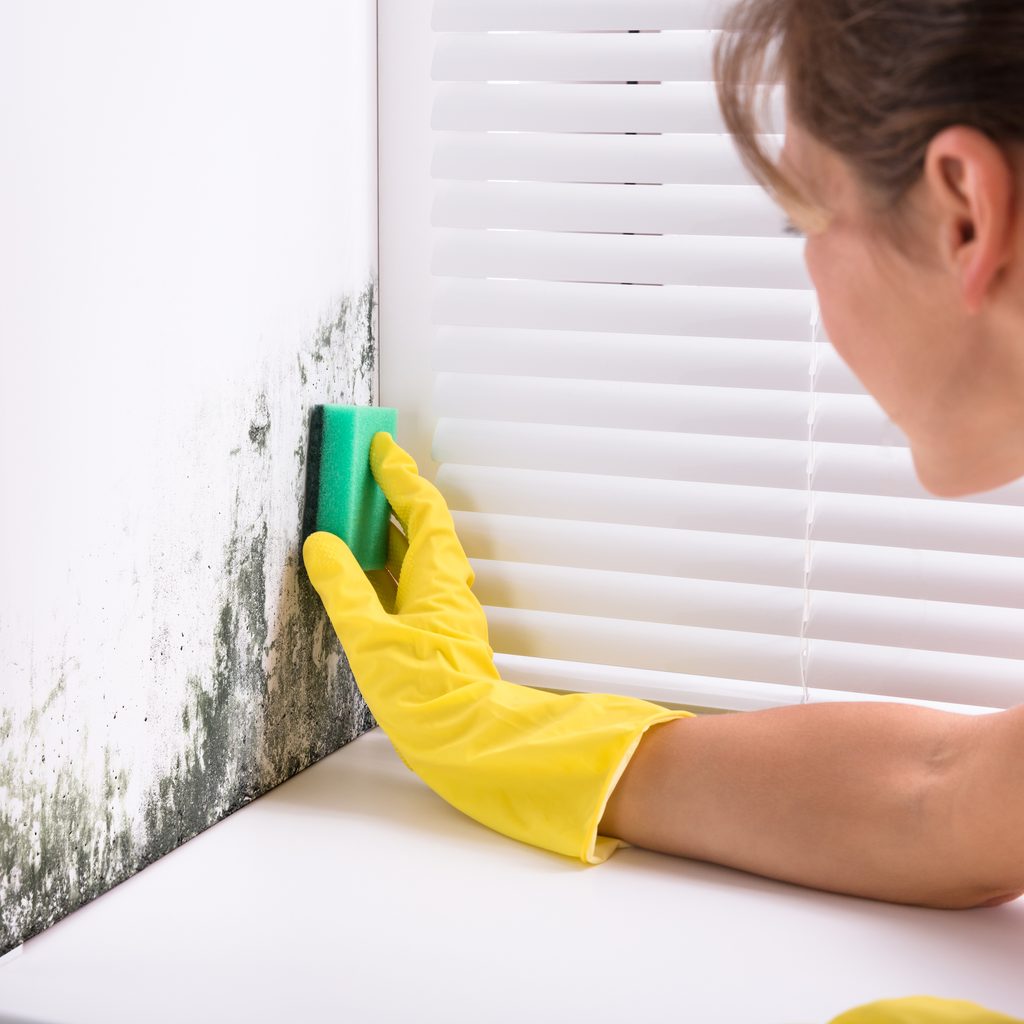
While all of these methods are highly effective, some work better than others when tackling specific materials or variations of mold growth. You may need to try all of these solutions at different intervals before deciding which works best for you and your home. To prevent mold from returning, keep an eye on especially damp or moist spaces in your home, like the bathroom and laundry room, and make sure you’re keeping them as clean and dry as possible.
Keep in mind that these methods work best for limited amounts of mold that exist on the surface of your walls, carpet, or tile. Unfortunately, mold can be a much more expansive, foundational problem, so if you have recurrent mold growth or notice that it exists within the walls too, call a professional for assistance.