You don’t have to be a farmer to start composting. Composting is used by gardeners and average homeowners alike. It’s a great way to reduce waste and recycle old materials for a new purpose.
What is composting?
Composting uses vegetable matter or herbivore fecal matter to create microbe-rich soil and fertilizer for your garden.
For the average gardener, composting is a great way to make your own fertilizer at home that provides nutrient-rich soil for your plants. Compost is typically made with the use of organic plant matter or vegetable scraps. However, grass-fed animal droppings are also a commonly used material for compost by many farmers.
What does composting do for the environment?
Composting is extremely beneficial for both personal gardens and the world at large. While the reasons are similar between the two, it’s important to understand your environmental impact. Composting is a great way to decrease your ecological footprint while also creating a product you can use in your garden.
For your garden
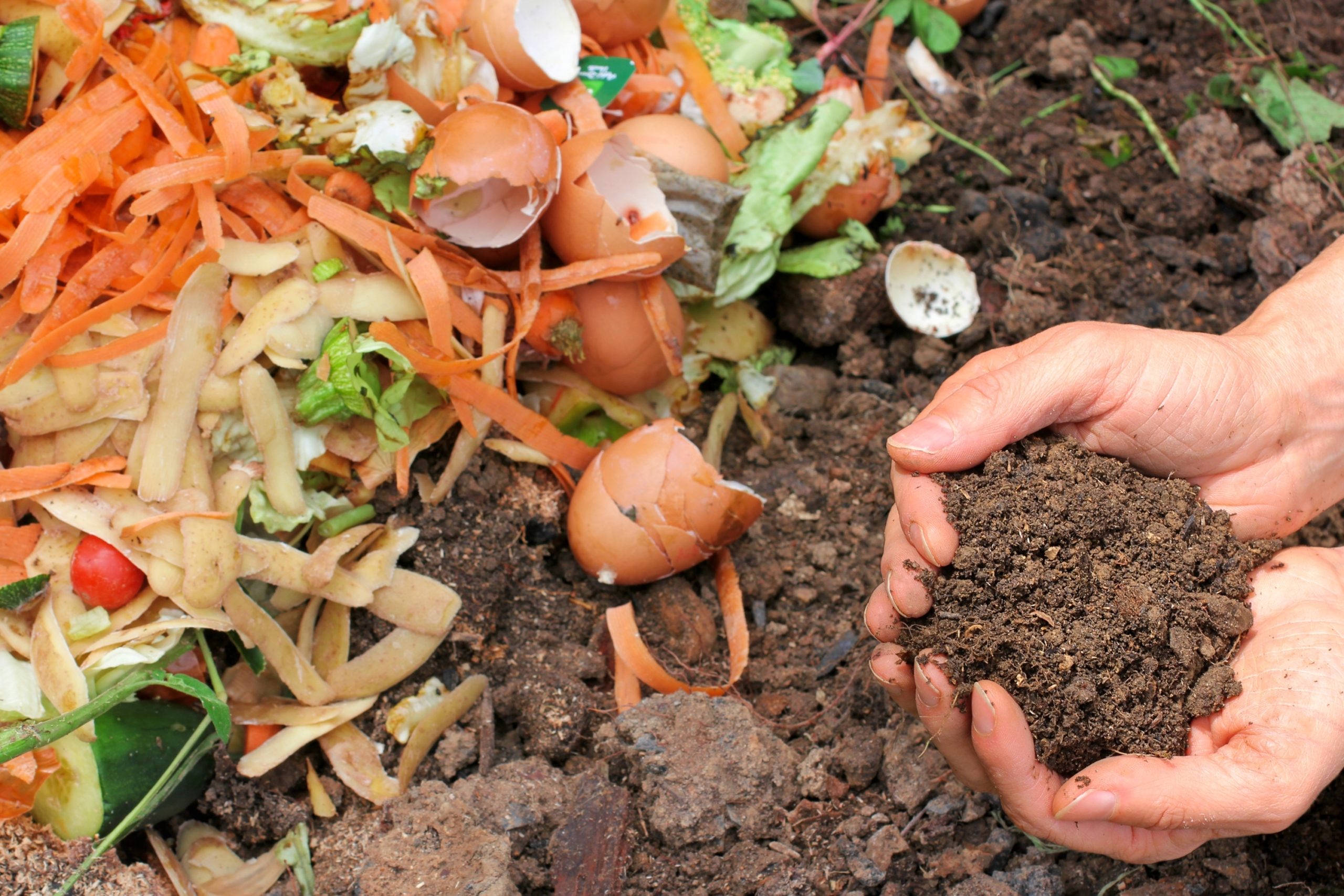
When it comes to your garden, composting is a way to make plant fertilizer at home. Using leftover vegetable scraps and yard clippings not only reduces the waste in your trash can but also recycles the material into a healthy fertilizer for your garden.
Making your own fertilizing compost is more cost effective than purchasing bags of chemical fertilizer at the store. Not only that, but it is non-toxic and often a safer alternative to store-bought fertilizers.
For the world at large
Composting diminishes your ecological footprint because you are creating less waste for the landfill. By having a compost bin at home, you can recycle old food scraps into a nutrient-rich soil for your garden.
Food waste is one of the most significant ecological issues today. Billions of pounds of organic food materials are tossed each day. By reusing your unwanted vegetable scraps in your compost bin, you help reduce the damaging impact food waste has on the environment.
How to start composting
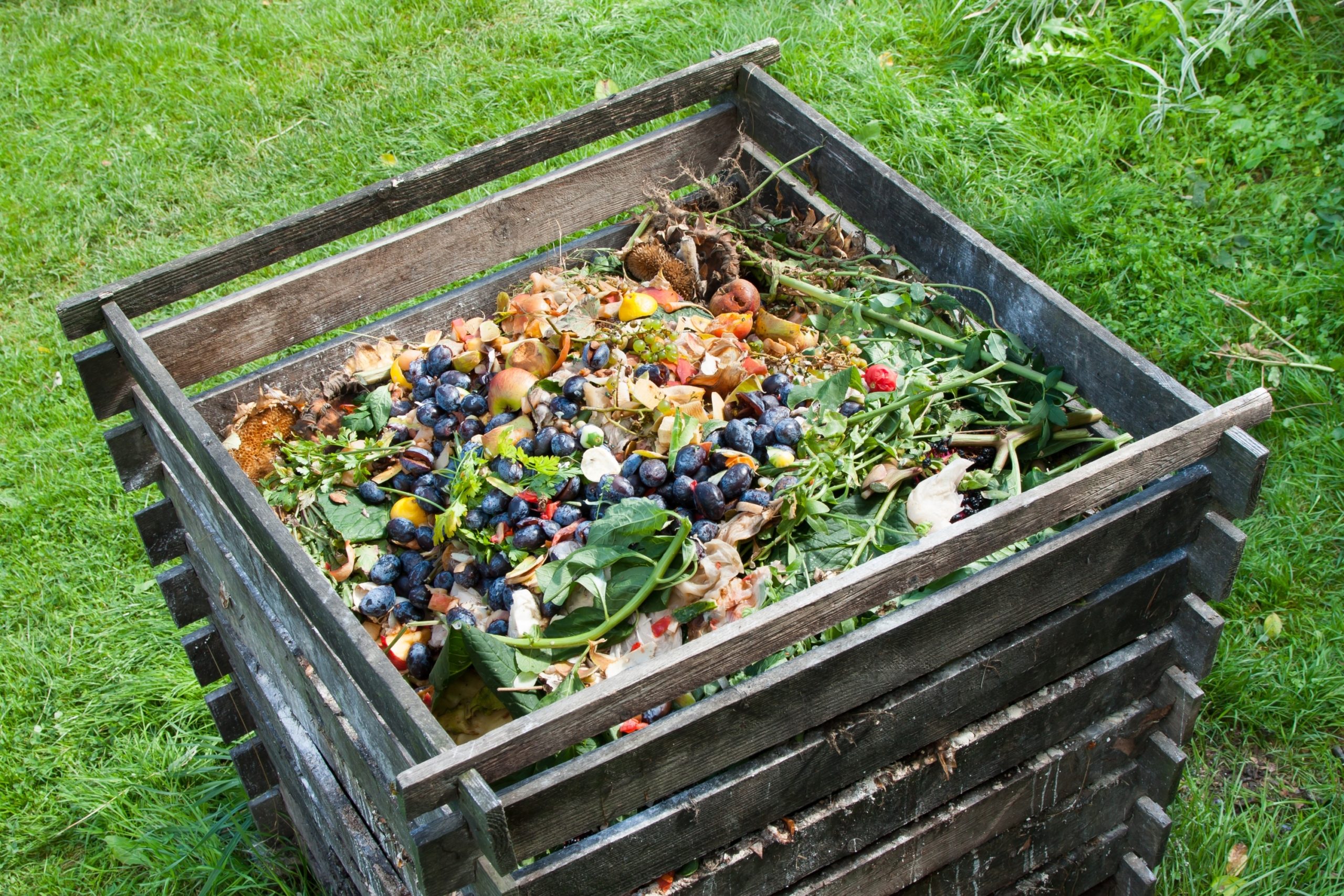
Composting is relatively easy to start. You’ll need a bin, compost pile, or tumbler to store your compost . It’s suggested that your composting site be at least a cubic yard in size to compost effectively as this allows for better heat and moisture control.
Next, find a shady spot for your compost bin, ideally a few yards away from your house. This is because compost needs to retain moisture, so a shady spot is appropriate. Compost often emits a smell that may not be pleasant for everyone and is prone to drawing insects.
Once you have your location figured out, you.ll need to obtain brown and green matter. Brown matter consists of dried materials such as leaves or paper shreds. Green matter is the vegetable material that you put into your compost bin.
Fill up your bin starting with the brown matter on the bottom and alternating between the two types of material. Maintain a three-to-one ratio of brown dried matter with green vegetable matter. A good rule of thumb is three inches of brown, followed by an inch of green.
Be sure to water the green matter when you fill it in. The moisture helps to break down the material.
Once your bin is full, top it off with gardening soil. This will lock in heat and moisture to promote decomposition. Be sure to churn your compost with a garden fork every one to two weeks to help the materials break down faster.
Tips to compost successfully
Do not use bones, meat, dairy products, diseased plants, waste from non-herbivores, or weeds in your compost.
Materials in your compost should be organic vegetation like banana peels, dried leaves, and other vegetable matter. Never put oil or grease in your compost and avoid herbicide-treated plants. You want your compost to be healthy and non-toxic.
You’ll know your compost is ready to be used when the bin appears to be more like soil than food scraps. If it looks like potting mix, that’s a good indication that it’s ready to be spread throughout your garden.
Another tip is to chop up your materials into smaller pieces to help the compost decompose at a faster rate. Larger items take longer to break down.
Always be sure to keep your compost moist; however, it should not be soggy. You want it to be damp to maximize heat and allow for proper decomposition.