
Once air conditioning season is behind you, it’s time to look ahead to months of heating to keep your home cozy during the chilly months. But, like most other things in your home, your HVAC system’s ductwork needs ordinary maintenance and occasional cleaning to keep it running effectively and efficiently.
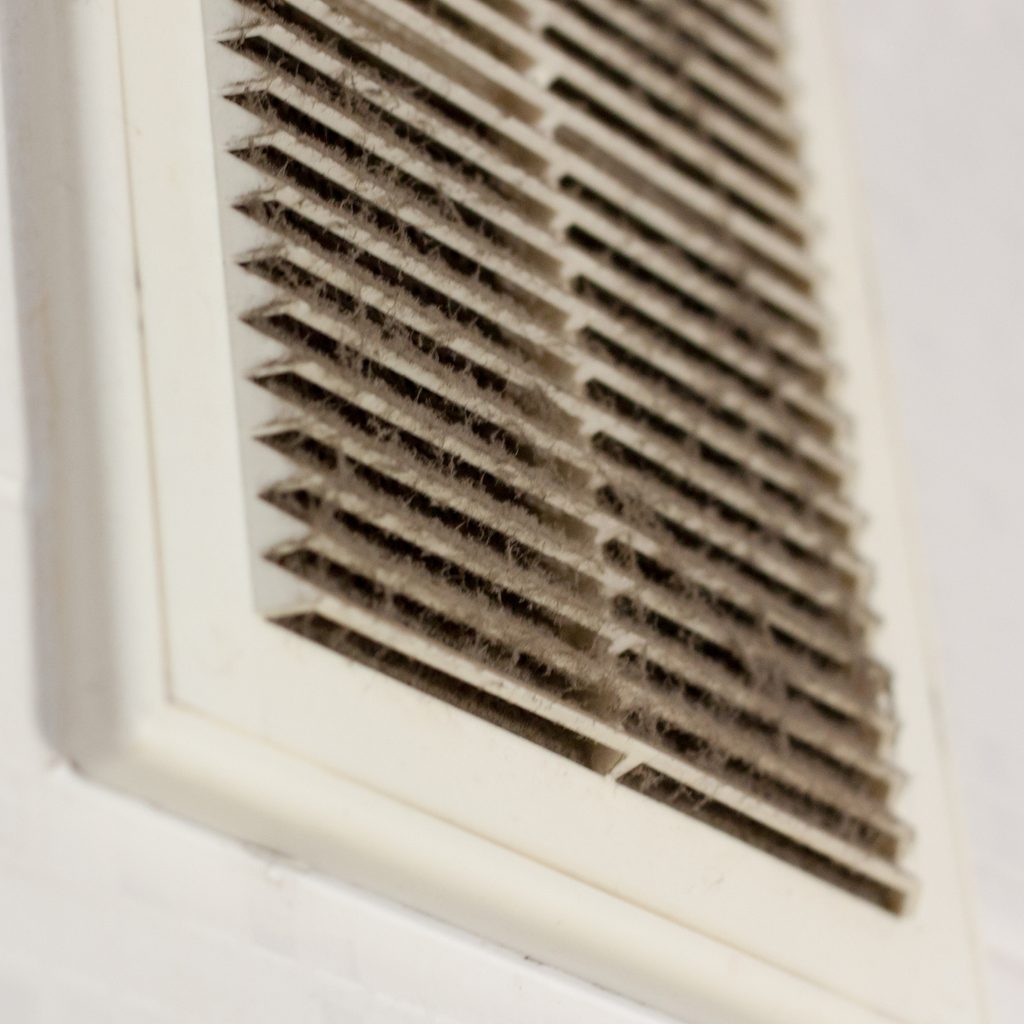
Even if you use the best filters and change them regularly, dust particles can get through from time to time, and your ducts are still going to collect debris. Further, if you live in an area with a lot of air pollution, wind, or construction projects, your home will be prone to even more dust and allergens.
Keep your home’s air fresh by cleaning the duct system regularly, about every two to five years. If you properly maintain your system and change the filters twice a year during the spring and fall, you can further increase the time between professional cleanings. Do you think it’s time to refresh your home’s air ducts? We’ll help you decide!
Duct cleaning 101: 3 reasons to get your ducts cleaned now
Your energy bills will be higher if the HVAC system isn’t running efficiently, so don’t delay your regular maintenance. Spending a little money on cleaning every few years means you won’t have to deal with the problem in the future, saving you from costly repairs. Though it’s best to have a professional cleaning every two to five years, there are a few instances that necessitate moving up the timeline.
- Clogging
Dust and debris build-up can clog air ducts, reduce airflow, and lower the effectiveness of your heating or air conditioning unit, making your HVAC system work harder than is needed. It can also release allergens in the air that can make you sick, especially if you have asthma or other respiratory issues. - Mold
When condensation builds up or water gets into your HVAC vents, the moisture can result in mold and mildew growth. - Pests
Did you know that untreated air ducts are fertile breeding grounds for pests, including crickets, roaches, and even mice? These critters love the dust, debris, and moisture that dirty ductworks provide. By keeping everything clean, you can make sure your house doesn’t become a safe haven for these unwelcome visitors.

When to clean your air ducts
Now that we’ve established the importance of cleaning your air ducts, when is the optimum time to do it?
While HVAC duct cleaning isn’t a very lengthy process, there are certain times of year that work better than others. Most experts recommend scheduling professional cleaning during the ‘in between’ season in the fall when you don’t regularly need to use your air conditioning, but you’re not quite ready to kick on the heat. The spring is another good time for ‘in between’ weather, as you’ve stopped using your heat, but haven’t yet turned on your AC. Long story short, try not to schedule during extreme weather when the HVAC system is working hard to control the temperature in the house.
It’s pretty common to experience a dusty smell when turning on your HVAC system after it’s been dormant for a while. This is because the dust and debris that resides inside your vents are being blown into your home along with the warm or cool air. If you notice that dusty, musty smell when you are using your heat or AC, it’s a telltale sign that you need to have your ducts cleaned.
Although it’s possible to do a DIY duct cleaning, this is one household project that you really should leave up to the professionals. Many duct systems are extensive and complex, making it difficult to navigate, especially without the specialty tools. Yes, it’s a bit more costly, but a duct cleaning professional has the proper tools and the know-how to diagnose and prevent problems before they begin, including:
- Dust and debris build-up
- Punctures in ducts that can result in higher utility bills
- Dampness that may develop into mold
When you make up a list of fall or spring cleaning chores, make sure to include HVAC maintenance. Unlike other household duties, this isn’t the place to save money with a DIY project. Instead, call the professionals every two to five years, and you’ll have your HVAC system running cleaner and more efficiently for years to come.