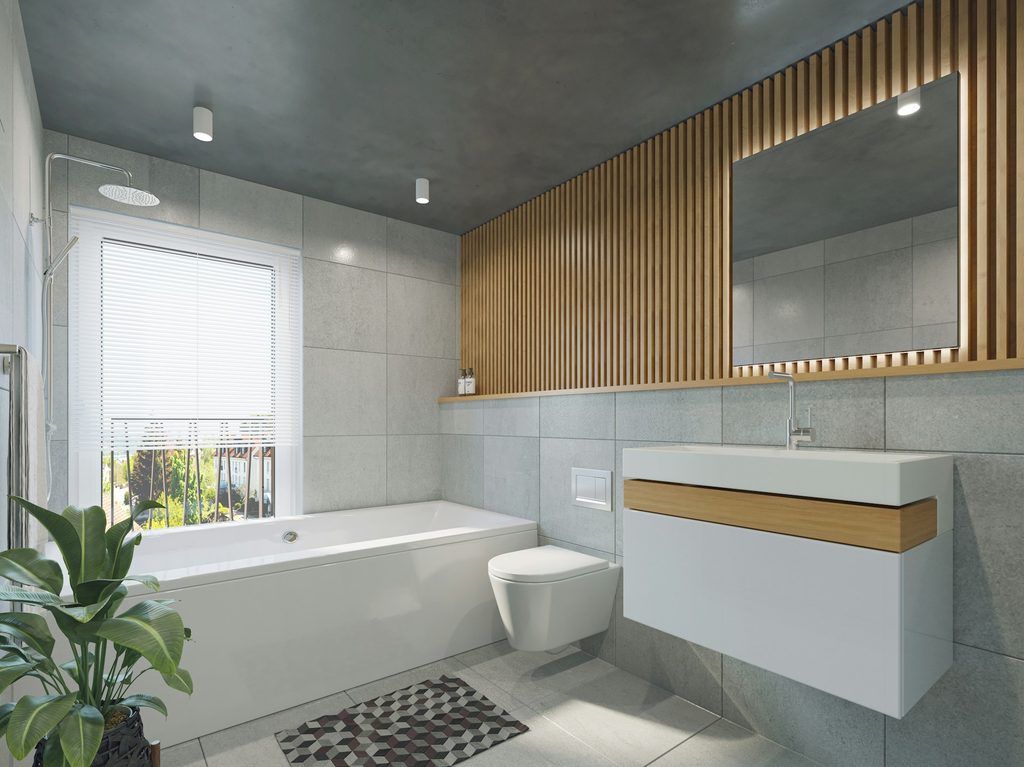
The bathroom is one of the most frequented spaces of any home. It is a place for our morning and evening routines as well as a sanctuary when we need to get away for some much-needed rest and relaxation. If your bathroom is far from tranquil and you’ve considered embarking on a bathroom remodel, you may have asked yourself, “How much does a bathroom remodel cost?” Today, we’ll provide you with everything you need to know.
What affects the cost of a bathroom remodel
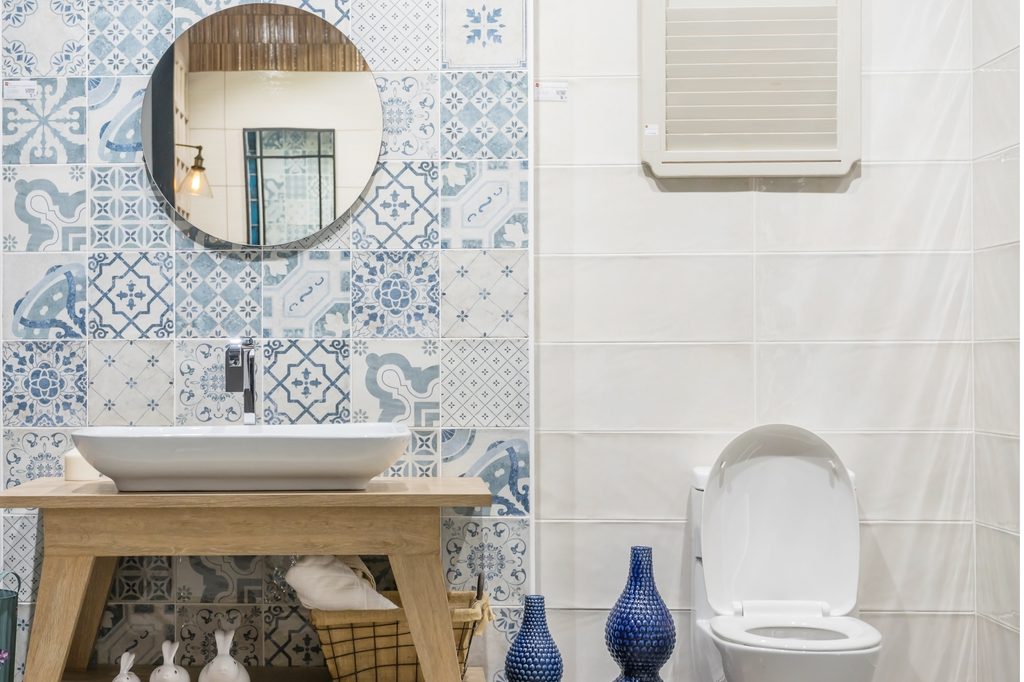
Before setting your budget for your bathroom remodel, you need to consider the most important factors that affect the cost of your project.
Size of your space
The greatest factor determining the cost of your bathroom remodel is the size of your space. As you might expect, bathrooms with fewer amenities will typically cost less than larger spaces. If the bathroom you’re renovating is a small powder room or a half bath, you might be able to get by with a smaller budget.
Alternatively, a bathroom with a separate bathtub and shower, dual sinks, or other amenities will introduce greater costs to your remodel.
Scope of the project
You must also consider the scope of your project. If you’re planning to save money on your remodel, consider keeping your existing amenities, such as your toilet, bathtub, and sink. If you want to embark on a complete overhaul, you’ll spend more money.
Location
Location may also affect the cost of your remodel. However, location can impact the ROI on your home improvement project, which may alleviate some of the expenses once you sell.
Cost of remodeling a bathroom based on size
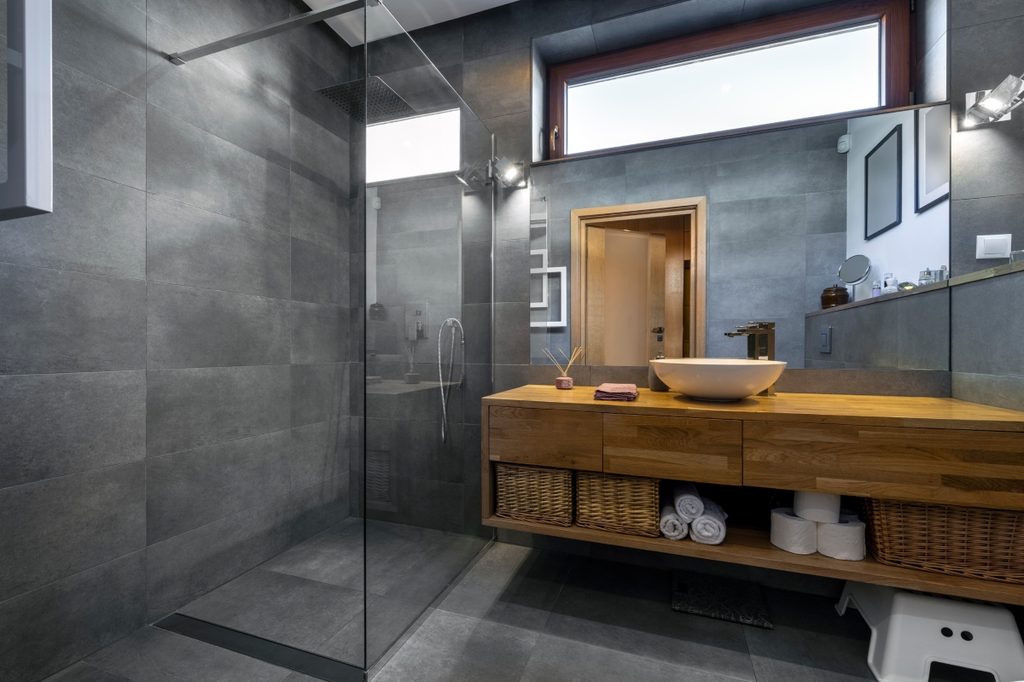
As mentioned above, the size of your bathroom will be the greatest factor in determining your budget and the cost of your renovation.
Powder room
If you’re working with a small powder room or a half bath, you might be able to save money on your renovation when compared to other bathrooms in the home. Since these spaces are often smaller with less square footage, don’t see as frequent use, and typically only include a toilet and sink, they can be more affordable for renovating.
The average cost of a full powder room remodel: $5,000 to $10,000
Guest/communal bathroom
Guest bathrooms are larger than powder rooms. They often include one or two sinks, a bathtub and shower (sometimes as a combo), a toilet, and other amenities. Installing new tiles, replacing your tub or shower, or installing a separate bathtub and shower can increase the renovation cost.
The average cost of a full guest bathroom remodel: $14,000 to $20,000
Master bathroom
Primary bathrooms tend to be more luxurious than the average guest or communal bathroom. They typically have separate bathtub and shower amenities, dual sinks, larger counters, grand walk-in wardrobe connections, and separate toilet rooms. Bathtubs may also be higher end, like an elegant clawfoot tub or a tub with jets. Showers might be rain showers or have multiple shower heads, depending on the homeowner’s needs.
Since the master bathroom can be a major selling point for homeowners, these spaces tend to attract more investment and can create more costly renovation projects.
The average cost of a full master bathroom remodel: $30,000 or more
Do you need a full or partial bathroom remodel?
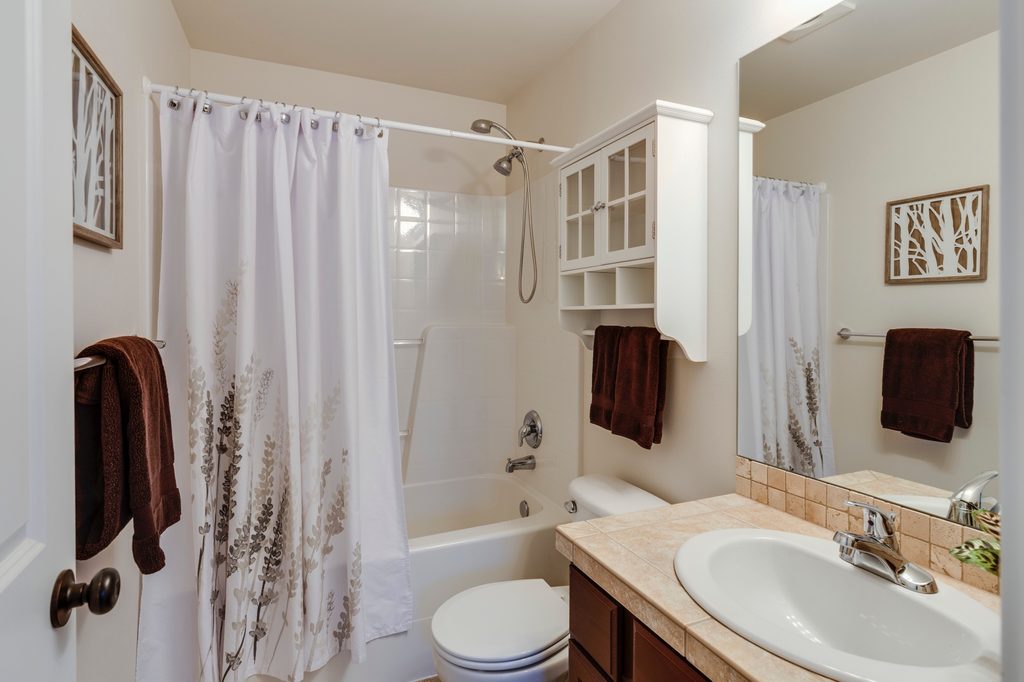
To save money on your bathroom remodel, consider a partial renovation rather than a full overhaul.
Partial renovations could include things like:
- Adding a fresh coat of paint to your bathroom walls
- Updating old tile on the floors or walls
- Painting or refacing cabinets
- Updating light fixtures, mirrors, towel bars, and other accessories
If you do plan to do a full remodel, you may need to replace or spruce up the following:
- Adding all new tiles to the walls or floors
- Updating the countertop
- Replacing or updating existing cabinets
- Replacing the sink
- Swapping out the toilet for a newer model
- Updating the shower and bathtub
- Adding a door to the shower vs. a shower rod and curtain
- Installing better ventilation or replacing windows
Ultimately, whether you embark on a full remodel or choose to do a partial renovation is up to you and your needs. Additionally, you can always opt to renovate amenities and fixtures over time to make it easier on your wallet.
Features that may affect cost
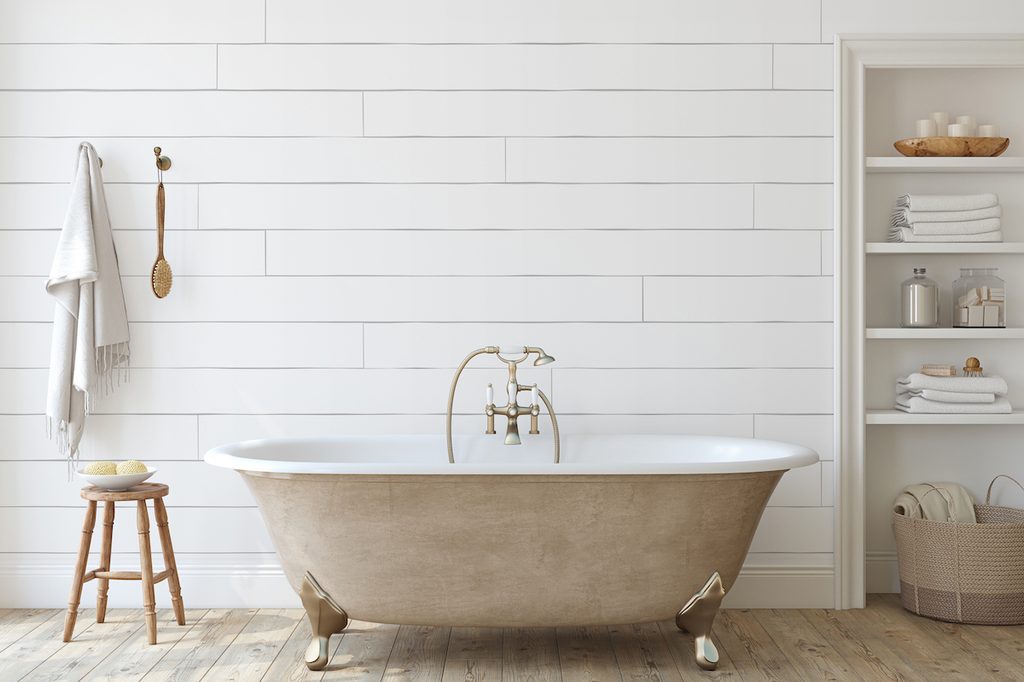
There are a couple of features that may affect cost as you begin your bathroom renovation.
Bathtub or shower
If you replace or separate your bathtub and shower, you will incur higher renovation costs. This is especially crucial to consider if you choose a trendier or more modern shower or bathtub like a rain shower.
Countertops
Replacing countertops can also raise remodeling costs dramatically.
Wall and floor tile
Wall and floor tile replacement can quickly add up, especially if you’re working with a larger space.
Repairs or plumbing replacement
It’s likely that you’ll run into plumbing repairs and replacements. When doing a complete bathroom renovation, you may encounter water damage, broken pipes, or any assortment of problems. Be sure to have some money put away for surprises.
A bathroom remodel can significantly enhance the appeal of your home. Not only does it make it more attractive to buyers, but it can be a great way to spruce up your space and enjoy it for yourself. Just keep in mind that bathroom revamps can be quite pricey, so be sure to invest carefully or perform small renovations over time.