  1. Home
  2. Style
  3. Evergreens

21OAK may earn a commission when you buy through links on our site.

Power up: The 5 best wireless chargers for your bedside table

wireless phone charger
Nubelson Fernandes/Unsplash

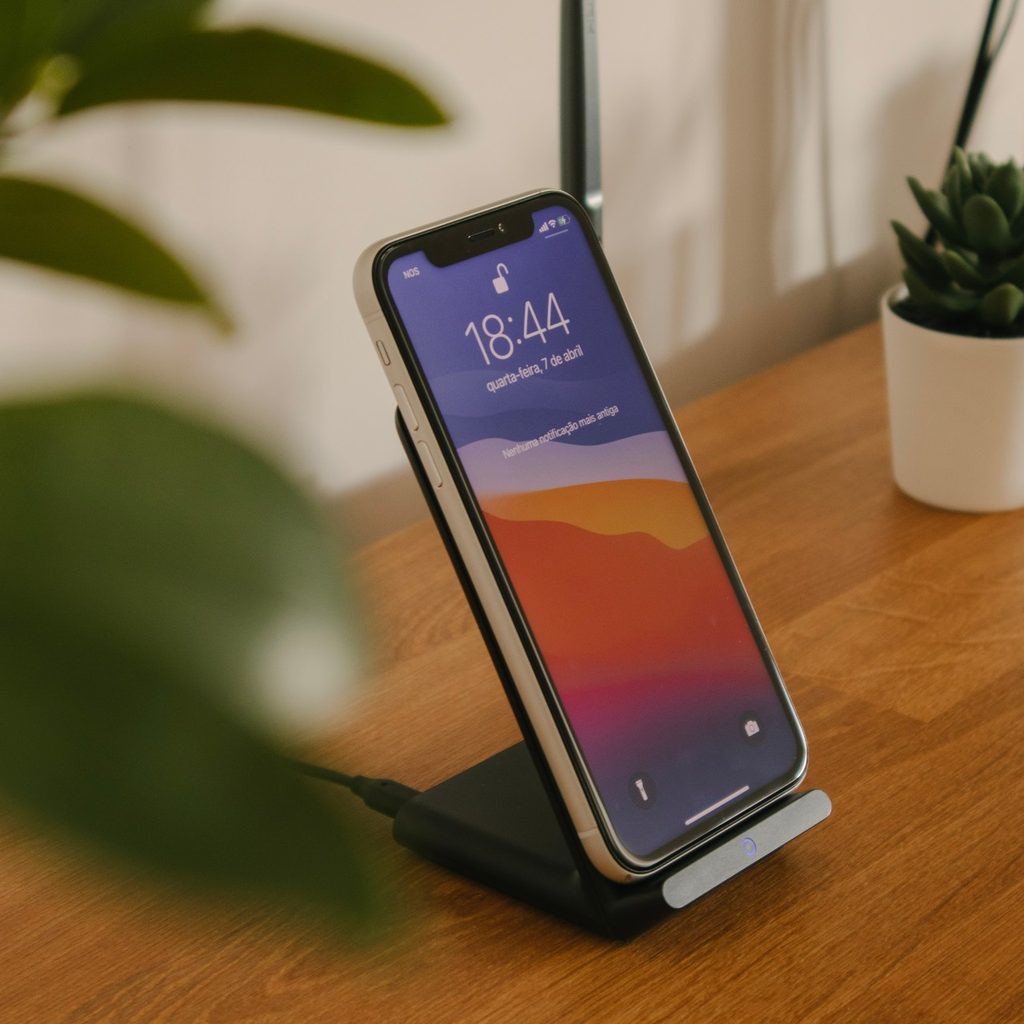
Wireless chargers can be a game-changer when it comes to keeping your device powered up. They eliminate the need to constantly plug and unplug your phone and give you a clean, uncluttered look. With so many on the market, how do you find the best one for you? Not all are created equal, and some may have unique features that appeal to different needs. To take the guesswork out of the equation, we researched for you and put together a list of our top five best wireless chargers.

One thing all the best chargers will have in common is they are going to use the Qi standard compatible with any smartphone that has wireless charging—that includes iPhone, Google Pixel 4, Samsung phones, or the OnePlus 8 Pro. Other than that, they will vary greatly in price, design, and power delivery specs. Here are our top picks:

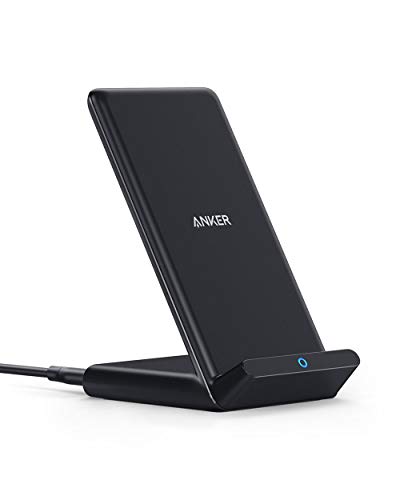
Anker 10W Wireless Charging Stand

Pros: Inexpensive, no-frills charger that gives you an affordable option to see if wireless charging works for you. Great choice if you continually pick up and put down your phone.

Cons: Not the speediest option. After over 30 minutes, it gives approximately 15 percent charge on an iPhone and 28 percent on an Android phone.
Belkin Wireless Charging Dock

Pros: This charger can power up your phone and your Apple Watch at the same time. It allows your phone to sit upright, and a circular watch nub clips your smartwatch in place. It has a pill-shaped base and comes in a clean white finish.

Cons: Its recharge rate is slightly lower than other chargers.

Apple MagSafe Charger

Amazon.com: Apple MagSafe Charger

Pros: If you are looking for fast wireless chargers for your home, this one provides speedy charging. It uses the smartphone’s magnets to align and give you the quickest charging speed possible. It is the recommended way to charge the iPhone 12 and also works on older Apple devices and Android phones.

Cons: The charger still has a cord and needs to be attached to your phone, but you have much more freedom than a typical charging cable. It also only works with some phone cases, and you may need to purchase an additional power adapter.

Belkin BoostUp Wireless Charging Stand

Pros: What we like best about this stand is its ability to hold your device upright, so it is easy to see notifications as they come in. Its charging surface is glossy plastic with matte rubber, and its solid black color has a high-quality look. On average, it will give you a 16 percent charge in approximately 30 minutes.

Cons: It only charges phones and will not work on smartwatches or tablets. You must remove the phone case to charge.

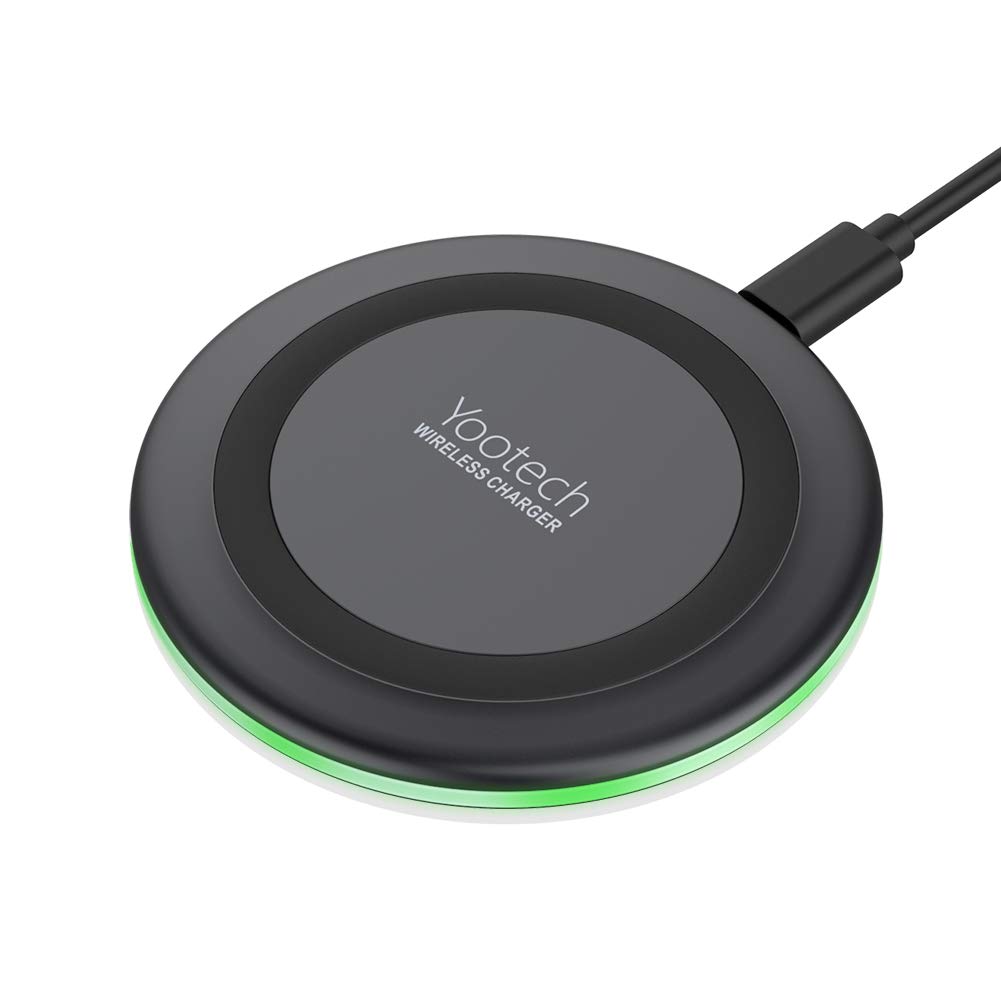
Yootech Wireless Charger

Pros: At under ten dollars, this is a great option if you are looking for a budget-friendly charger. You can place your phone on its simple circular-designed base.

Cons: This charger will not give you the fastest charge, but you can’t beat the price.
No matter which wireless charger you choose, keeping one on a bedside table will give you a quick, easy way to keep your phone powered up while you sleep. Each of these options offers a sleek device that will fit seamlessly into any modern decor.

Topics
Discover fisherman core and how to incorporate this new trend in your home
Turn your space into the perfect fisherman's cottage with these cozy tips
A vintage cottage kitchen design and dining table

Fisherman core is the latest trend in home design and fashion. Young homeowners are craving coastal aesthetics, inviting them into their spaces, whether they live near the seaside or far from it. Blending cottage aesthetics with New England lighthouse themes, fisherman core is a cozy look inspired by the salty and rocky ocean shores. Here’s how you can incorporate it into your home.
What is fisherman core?

Fisherman core draws inspiration from mariners and the chilly coastal regions of Europe and New England. Think: The reclusive lighthouse keeper who wears a warm beanie and cozy cable-knit sweater. Fisherman core blends cottage aesthetics with coastal features to create a cozy, quaint, and unique look that captures the essence of what it means to be a seaside fisherman.

Read more
Keep your oak kitchen cabinets fresh and modern with these tips
Transform your outdated oak kitchen cabinets for a luxe, modern design
Modern kitchen with red oak cabinets and white countertops

Oak kitchen cabinets are a staple in many traditional homes. Their earthy tones and elegant appearance have placed them at the top of the ladder, making them one of the most beloved cabinet materials in recent decades. While this wood has stood the test of time in interior design, keeping an oak-heavy kitchen from looking out of place in a redesigned home can be challenging. Oak cabinetry often caters to traditional decor, making it hard to implement these gorgeous tones and textures into a more modern or contemporary space.

If you’re a modern enthusiast who wants to maintain the traditional oak cabinet look without creating a tacky design, then we have the tips for you. Here’s how to dress up your kitchen to balance modernity with traditional oak cabinets.
How to make oak kitchen cabinets look modern and contemporary

Read more
Material drenching: A design trend to watch in 2025
We share everything you need to know about material drenching
Modern rustic design with a modern chair and concrete wall

One of the latest trends of 2025 inspires elegance, boldness, and luxury. Material drenching is capturing the attention of many homeowners who crave a refined simplicity that makes a statement in their spaces. But what is material drenching? Today, we'll share everything you need to know about this up-and-coming design aesthetic.
What is material drenching?

Material drenching is an interior aesthetic that features a singular material like stone, tile, wood, or metal integrated on multiple surfaces in the home. The effect is often bold, impactful, and luxurious. Designers choose a specific material that can be "drenched" in a space by using it in several aspects of the design.

Read more