

  1. Home
  2. Inspiration
  3. News

Are dark woods making a comeback?

Add as a preferred source on Google
Dark wood shutter stock image
Shutterstock / Shutterstock

For the past few years, light woods have dominated our interiors. Their brightness has made spaces feel open, airy, and modern, with pale white oaks, ash, and blonde maple leading the way. But as we move further into 2025 and beyond, there’s a growing buzz around dark, dramatic wood tones. Are we ready to welcome them back? The answer appears to be yes. Designers, flooring experts, and homeowners alike are leaning into richer stains and deeper hues as part of a broader shift in how we want to feel in our homes.

The reign of light wood

Light, natural-toned wood floors have been a go-to for years. They reflect light, make smaller rooms feel larger, and pair effortlessly with the minimalist style that has dominated the last decade. Furniture brands like West Elm and CB2 helped popularize this look with lighter, mid-century modern-inspired pieces. Scandinavian and modern interiors also tend to feature pale wood flooring and furniture, and companies like IKEA continue to keep that aesthetic front and center.

Shifting desires

After years of light, airy interiors dominating the market, we are now seeing a noticeable shift. Consumers are becoming more eco-conscious and are gravitating toward high-quality, solid wood antiques and vintage pieces, many of which feature darker, richer tones and exceptional craftsmanship. At the same time, the appetite for warmth and visual depth continues to grow. Designers and homeowners alike are embracing walnut, chocolate brown, espresso, and other moody finishes not only for flooring, but for cabinetry and architectural wood details as well. We have even seen a resurgence of wood-paneled walls.

Architectural Digest has highlighted this transition, noting a move away from the dominance of pale woods in favor of darker stains that anchor a room and bring more intention, sophistication, and emotional weight to interiors.

What is driving the return to dark wood

From TikTok and Instagram influencers to designers and interior decorators, there’s a growing love for contrast in interiors. Dark wood floors paired with light, neutral walls create a balanced, elevated look and a welcome shift from the all-light, all-bright aesthetic of past years. Many designers are even embracing a full “moody” moment, layering dark floors, dark wood furniture, and dramatically deep wall colors to create an enveloping, atmospheric space.

As the popularity of all-white kitchens declines, homeowners are turning to dark wood cabinetry to reintroduce warmth, character, and visual interest. Dark wood feels warm, intimate, and timeless. It is not only about making a bold statement. It is about creating spaces that feel grounded, luxurious, and thoughtfully layered. As deeper paint colors become more popular, people are naturally seeking furniture and flooring that complement these richer, more dramatic palettes.

How to use dark wood effectively in your home

You do not have to look far to bring dark wood into your home. Antique stores are filled with beautiful, well-crafted pieces waiting for a new life, and many come in the walnut and espresso tones designers are embracing again. If you want to ease into the trend, start small with accent pieces like chairs, side tables, or a vintage dresser.

For a larger transformation, consider updating your floors or cabinetry. If you already have wood floors, keep the idea of a deeper stain in mind the next time refinishing is due. Dark wood floors are especially striking in open living areas, formal dining rooms, home offices, and bedrooms. Keep in mind that deeper stains can show dust, pet hair, and scratches more easily. If you are comfortable with a little upkeep, the warmth and elegance they bring are well worth it.

Remember, you do not need to commit to a full-on moody interior. Dark furniture can look stunning against light walls, offering contrast without overwhelming the room.

Finding the middle ground with mid-tone and warm neutrals

If you’re not ready to go full dark, there is a powerful compromise. Mid-toned woods like oak, maple, and walnut are great options for striking a balance between light and dark. These finishes offer a warm, inviting hue without tipping into either extreme. 

These mid-tones are beloved for their flexibility. They give you enough warmth, but they’re not so deep that they dominate or date easily.

Trends are coming full circle

Yes, we’ve seen blonde woods everywhere, and they remain a timeless option. But darker wood is making a serious comeback, told with a new voice. It is richer, warmer, and more textured, bringing a sense of depth, grounding, and sophistication to interiors. Dark wood invites layering, contrast, and visual interest, creating spaces that feel intimate, luxurious, and thoughtfully designed. Whether you choose a single accent piece, a statement floor, or dark cabinetry, these tones offer versatility, timeless appeal, and a way to make your home feel truly anchored. In the end, embracing darker wood is not just a trend. It’s a way to bring warmth, personality, and a sense of drama into every room.

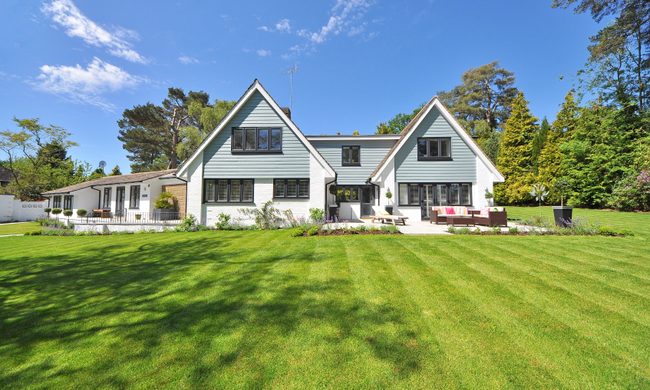
The top spring lawn care tips every homeowner needs
Get your lawn ready for the season of renewal!
Home with manicured lawn

When spring rolls around and the snow finally melts, most homeowners are eager to get outside and enjoy their yards. But before you host that backyard barbecue or stretch out with a good book in the sun, there’s work to be done. Spring lawn care is essential for reviving your grass after winter’s wear and tear and setting it up for a healthy, vibrant growing season. With a little planning and some basic lawn maintenance, you can give your lawn the fresh start it needs to thrive.
8 spring lawn care tips

Follow these eight tips to bring your lawn back to life and keep it looking lush all season long.
1. Rake leaves and debris
Even if you cleared leaves last fall, chances are new ones have blown in over the winter. Use a sturdy rake to remove any lingering leaves, twigs, thatch, and other debris. This allows sunlight and air to reach the grass and prevents fungal growth from smothering your lawn. It’s a simple step that makes a big difference.
2. Aerate the lawn if needed
If your lawn feels hard underfoot or you noticed poor drainage back in the fall, aeration might be necessary. Aerating your lawn loosens compacted soil and allows oxygen, water, and nutrients to reach the grassroots. You can rent a core aerator or hire a professional for this step — it’s typically only necessary once a year, but spring is a great time to do it if your lawn didn’t get attention in the fall.
3. Pull or treat weeds
Don’t let weeds get a head start. Spot-treat crabgrass, dandelions, and other common spring invaders before they spread. You can pull them by hand or use a weed control product, depending on your preference. If you use herbicides, be sure to choose one that’s safe for use in the spring and won’t interfere with grass seed if you plan to overseed.
4. Address diseases and pests
Keep an eye out for irregular brown spots, moldy patches, or signs of insect activity. Early spring is a good time to treat for grubs or other common lawn pests. If you’re not sure what’s causing an issue, take a sample to your local garden center — they can help you identify and treat the problem effectively.
5. Overseed for new growth
If your lawn has thin or patchy spots, overseeding is a must. Choose a grass seed mix that’s suited for your region and lawn conditions. Spread it evenly using a seed spreader, and lightly rake to ensure good seed-to-soil contact. Water the area consistently until new grass takes root, and avoid heavy foot traffic during this time.
6. Apply fertilizer
A spring feeding can give your lawn a much-needed boost. Choose a slow-release fertilizer that’s high in nitrogen to promote green, leafy growth. Make sure to follow the instructions on the label and apply it when the soil is moist — usually after watering or a good rain.
7. Water, water, water!
Spring weather can be unpredictable, so you might need to supplement with irrigation. Grass typically needs about an inch of water per week, whether from rainfall or a sprinkler system. Water deeply and less frequently to encourage deeper root growth, which helps your lawn stay resilient during dry spells.
8. Establish a mowing and watering schedule
Once your lawn is growing steadily, get into the habit of mowing regularly — usually once a week, depending on the growth rate. Never cut more than one-third of the grass blade at a time, and keep your mower blades sharp. Set a consistent watering schedule that complements local weather patterns to keep your grass hydrated without overdoing it.
What do you need for spring lawn care?

Read more
Keep your oak kitchen cabinets fresh and modern with these tips
Transform your outdated oak kitchen cabinets for a luxe, modern design
Modern kitchen with red oak cabinets and white countertops

Oak kitchen cabinets are a staple in many traditional homes. Their earthy tones and elegant appearance have placed them at the top of the ladder, making them one of the most beloved cabinet materials in recent decades. While this wood has stood the test of time in interior design, keeping an oak-heavy kitchen from looking out of place in a redesigned home can be challenging. Oak cabinetry often caters to traditional decor, making it hard to implement these gorgeous tones and textures into a more modern or contemporary space.

If you’re a modern enthusiast who wants to maintain the traditional oak cabinet look without creating a tacky design, then we have the tips for you. Here’s how to dress up your kitchen to balance modernity with traditional oak cabinets.
How to make oak kitchen cabinets look modern and contemporary

Read more
How to plant flowers in 6 steps for a gorgeous garden
Bring some life and vibrance to your outdoor space
Tulips in a border flower bed

Flowers lift the spirit. They can brighten your home from within a vase or they can add splashes of color around your yard. Either way, vibrant flowers add beauty, color, and charm wherever they are. Whether you're ready to plant the best perennial blooms that you can enjoy for years to come, or you're looking for annual flowers that will bloom for a single season, you’ve come to the right place.

Read more