
Autumn colors create some of the most beautiful landscapes nature has to offer. While fallen leaves on your lawn give your property a whimsical appearance and a nostalgic feeling of jumping in leaf piles as a kid, leaving all that debris on your lawn may not always be the best option for your grass’s health. Consider this your guide to the benefits of both raking and leaving leaves on your lawn, as well as some simple solutions for leaf removal that will save your back.
Benefits of raking leaves
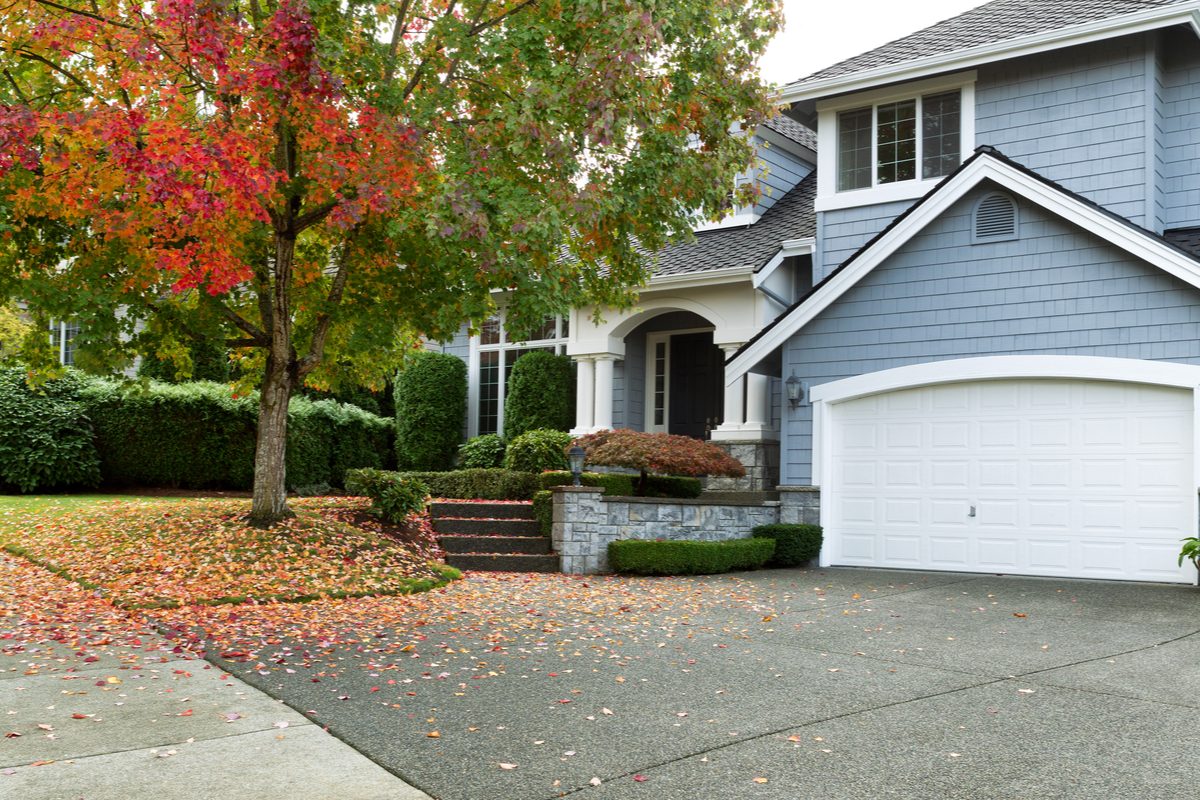
When deciding whether to rake leaves or leave them on your lawn, first consider how many leaves you’re dealing with. If fallen leaves cover less than 20% of your lawn, leaving them is perfectly fine. In fact, they may even help fertilize the soil. If you have a significant amount of leaves sitting on top of your grass, however, you should definitely remove them to give your lawn a chance to thrive.
Prevents your grass from being smothered
If fallen leaves are covering too much of your lawn, the blanket that they create prevents sunlight and vital nutrients from reaching your soil. Raking excess leaves will remove this barrier, along with layers of thatch that may have built up, and allow your grass to flourish.
Deters snow mold in the winter
When fallen snow melts quickly on unfrozen soil, it can create excess moisture on the surface of the grass. Under layers of dead leaves, this excess moisture can’t evaporate, and snow mold can start to grow. Raking your leaves in autumn can prevent snow mold from growing and destroying your grass later on.
Creates less attractive conditions for harmful critters
Rodents like mice and vole love a yard that’s covered in leaves. It gives them coverage from predators and provides a layer of warmth where they can comfortably live and breed. These critters tend to dig and burrow in your soil, harming your grass’s root system and leaving you with dead spots. Raking your leaves makes your lawn less attractive for these rodents.
Benefits of leaving leaves on your lawn
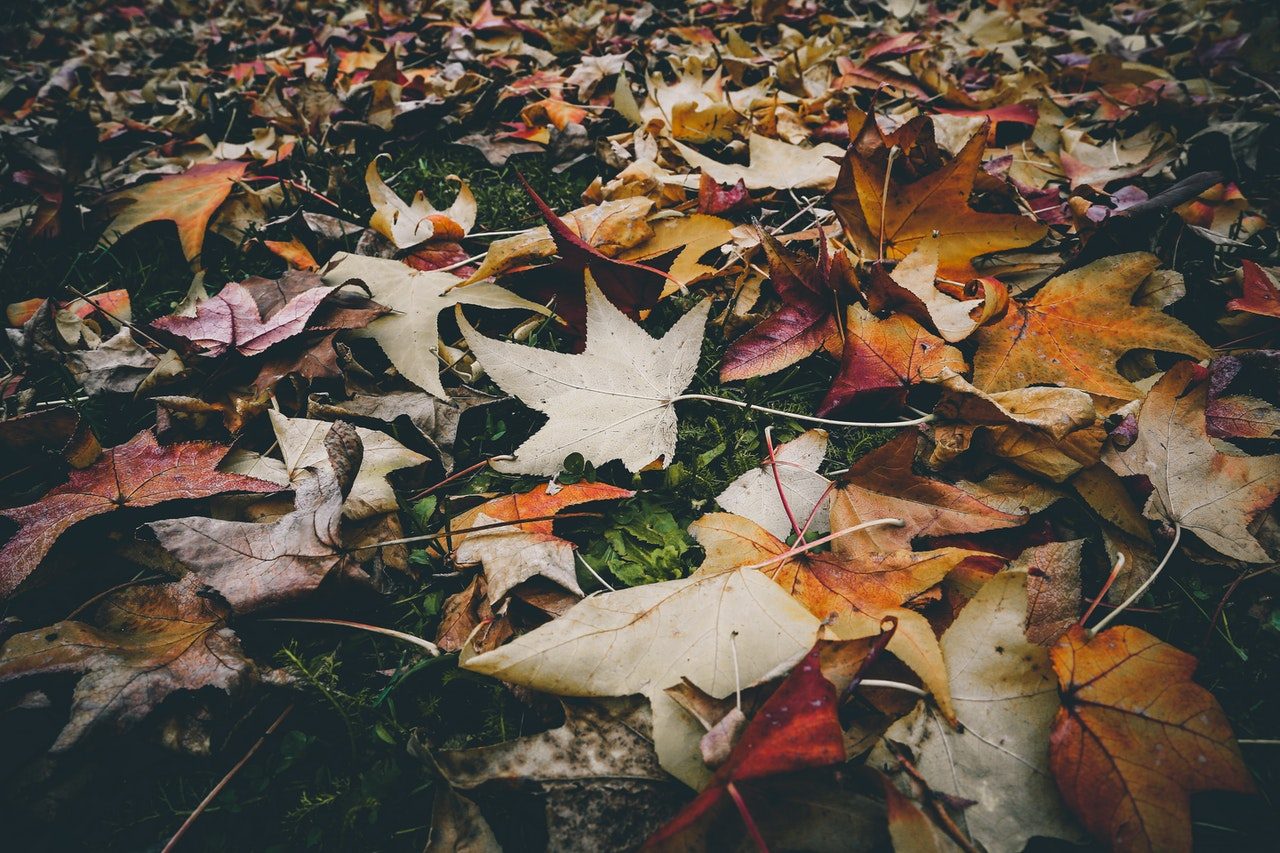
If your lawn is not widely covered with leaves, you may be able to save your back from hours of raking. Leaving a sparse coverage of leaves on your grass isn’t just a time and energy saver — it actually has some benefits for your grass and the environment:
Decomposition adds nutrients to your soil
Adding compost to your grass will give it a boost of nutrients that fertilize your lawn to promote healthy growth. Dead leaves act similarly, adding nutrients like nitrogen and phosphorous back to your soil when they decompose.
Leaf coverage reduces weed growth
A small amount of leaf coverage can create a less ideal environment for weed growth by blocking sunlight and nutrients. While your grass is durable enough to grow through a light layer of dead leaves, weed seeds will have a more difficult time germinating.
Helps soil retain moisture
In order for your grass’ roots to survive the freezing temperatures of winter, they need to retain moisture through the cold and dry season. Leaving a few dead leaves on your lawn can trap that much-needed moisture without risking snow mold or smothered grass.
Addressing small coverings of leaves
Leaving a light sprinkling of dead leaves on your lawn won’t harm your grass in the long run, but you can make them even more beneficial by mulching them. Simply mow over them so that they become shredded, then the smaller pieces will break down more easily and add extra nutrients to your grass.

Alternate options if you don’t want to rake leaves
Raking leaves is hard work, so you’ll be happy to know there are some methods and alternate options that make the job a bit easier.
Removing large amounts of leaves
As you now know, a large amount of leaf coverage won’t be great for your lawn. Luckily, there are a couple of methods that get rid of excess leaves without forcing you to spend hours raking and bagging them up.
- Use a leaf blower. Whether you rent one or buy one, investing in a leaf blower will cut down on the time you spend on removing leaves, and many lightweight options are quite easy on your back.
- Use a tarp. One back-breaking part of leaf removal is getting all those leaf piles into bags or containers for removal. If you blow or rake them onto tarps, you can remove the piles quickly and efficiently.
Raking leaves is definitely a back-breaking task, but if you’ve got a lot of leaf coverage, getting rid of those leaves is necessary. Luckily, there are other methods besides raking you can choose. Keep your lawn pristine in all seasons by giving those dead leaves a chance to work for your lawn and raking them only when you have to.