
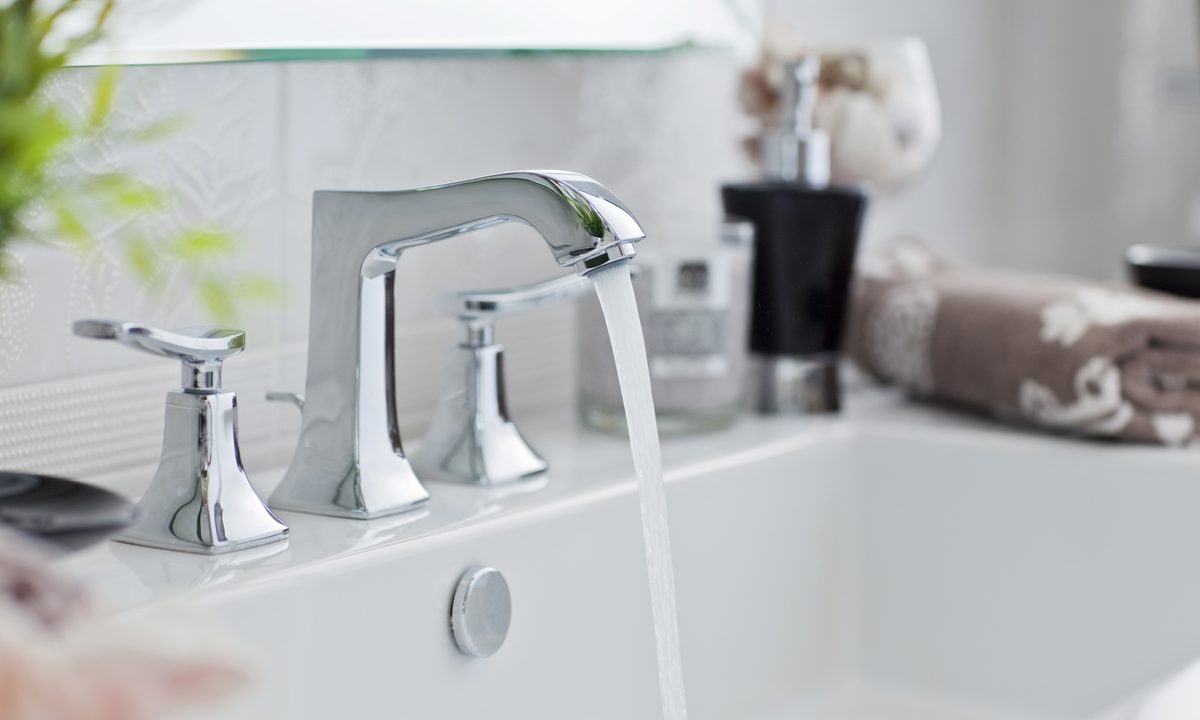
Every bathroom in your home should feel like a private oasis. It needs to be safe and functional, with protections against frozen pipes and leaks, but it also needs to be a modern and luxurious space. A remodeled bathroom can also significantly increase your home's value, a benefit that is particularly helpful if you plan on selling your home. Remodeling projects can start to feel very overwhelming very quickly, but there's no need to fear. When in doubt, begin with the faucets. Updating these fixtures gives the room an immediate facelift and improves the aesthetics of the whole space. Plus, it's easier to do than you think. Here's how to replace your bathroom faucet.

How hard is it to replace a bathroom faucet?
Replacing an existing faucet with a new one is a simple job that you can complete in just a few hours. With some basic tools and a little DIY know-how, you can give yourself a brand new fixture and save a good amount of cash in the process.
Do you need a plumber to replace a faucet?
To replace a bathroom faucet, you don't necessarily need a plumber's assistance. As long as the sink has been functional, you won't need to run new plumbing. Installing a brand new sink in a new location is a different story.
Since replacing a faucet means you'll be dealing with plumbing elements, consider enlisting the help of a plumber if you're not confident in your DIY skills. After all, faulty plumbing connections could lead to leaks and extensive water damage. Then you'll definitely need to hire a professional for help.
How to select a new bathroom faucet
Replacing your bathroom faucet starts with purchasing a new fixture, but be sure to do a little research before you buy. Not all faucets fit on all sinks. For example, if you currently have a single handle on your old faucet, it's possible that there are only enough openings under the faucet for a single-handle sink. If you have separate hot and cold handles, be sure to measure how far apart the two handles are so you can purchase a faucet that will fit properly.

How do you remove an old bathroom faucet?
To install a new faucet, you'll first need to remove the old one. Since you're dealing with plumbing and water pipes, take precautions while removing the old faucet to prevent leaks and water damage.
Step 1: Shut off the water to the sink by turning the valve under the sink to the off position.
Step 2: Place a bucket under the supply line to catch any drips of water during the process.
Step 3: Use a wrench to disconnect the old faucet's supply lines from the wall and allow any residual water in the lines to drip into the bucket.
Step 4: Remove any hardware that's securing the old faucet in place under the sink.
Step 5: Lift the disconnected faucet from the top and pull the old supply lines through the holes in the sink.
Step 6: The surface of the sink may be a bit grimy. Use bathroom cleaner and towels or rags to clean the area before installing the new faucet.
How to install a new bathroom faucet
Step 1: To install the new faucet, first, connect it to the new supply lines.
Step 2: Feed the supply lines through the appropriate holes at the top of the sink and rest the new fixture on top.
Step 3: Under the sink, attach the mounting hardware (included with the new fixture) and secure it to the sink.
Step 4: If you have separate hot and cold handles, connect the hot and cold water lines to the appropriate handles.
Step 5: Attach the new supply line to the wall spigot and turn the water shutoff valve to the on position.
Step 6: Turn on the water and examine all areas for leaks before removing the bucket.
Updating your bathroom makes it more beautiful, valuable, and livable. It gives the sink space an immediate facelift and can even improve water flow and efficiency, particularly if your old faucet had a lot of mineral deposit buildup. Replacing your bathroom faucet is also an easy thing to cross off your bathroom renovation checklist. The process is straightforward for most faucets, so your bathroom will look sleeker than ever with no blood, sweat, or tears necessary.