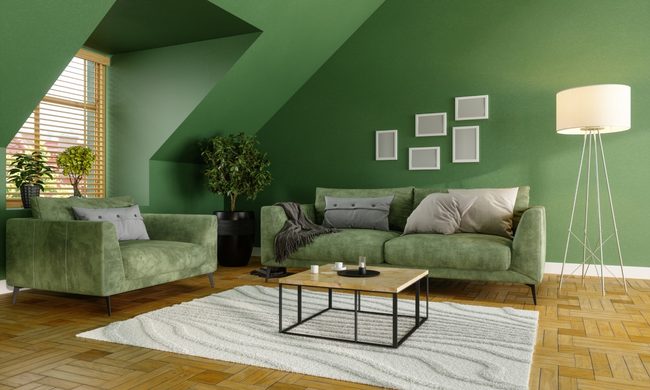
Houseplants bring life into your home by supplying oxygen, relieving stress, and adding color to your décor. But what if you want to care for popular houseplants that are exotic and eye-catching rather than the ordinary fern or cactus? What if you’re looking to grow unique houseplants that will intrigue your guests and even, perhaps, after some fun photoshoots, your Instagram followers? Thanks to modern technology, plants that used to be region-specific can now be grown almost anywhere. We have six exotic houseplants that will not only catch your guest’s eye, but also be conversation pieces.
Madagascan Palm (Pachypodium cactipes)
The Madagascan Palm has waxy green leaves and a thick stem and looks like something from the medieval ages. This plant is easy to grow indoors as long as you plant it in well-drained soil and give it a fair amount of sunlight. When in bloom, the yellow flowers are a radiant and beautiful contrast to its green leaves.
Anthurium (Anthurium andraeanum)
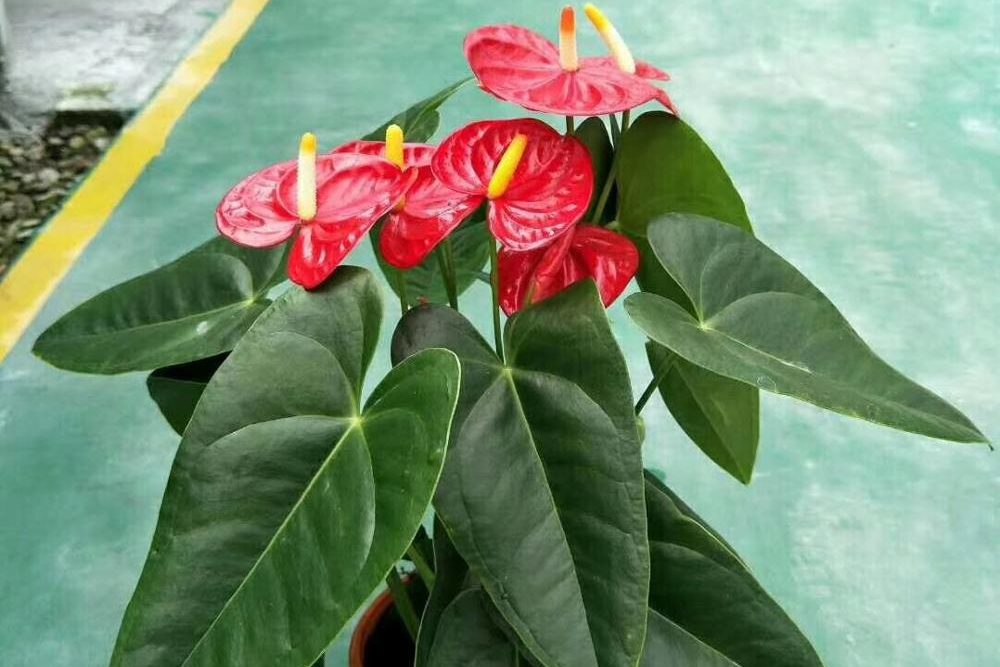
Anthurium is a tropical plant that is highly sought after due to its bright pink flowers. They can be a bit difficult to grown and maintain, but if you plant them in rich, loose potting soil and are sure not to overwater them, you will be rewarded. Place in an area with bright indirect light and avoid full sun, and the plant will thrive.
Wine Cup (Crassula umbella)
The Wine Cup features waxy, round-cupped leaves that surround a stalk of yellow-green flowers and has a beautiful pink center. Since this plant is a succulent family member, the Wine Cup is easy to care for — it requires little water and sunlight to flourish. Add this plant to your houseplant collection to act as a centerpiece or beautiful accent.
Bird of Paradise (Strelitzia reginae)
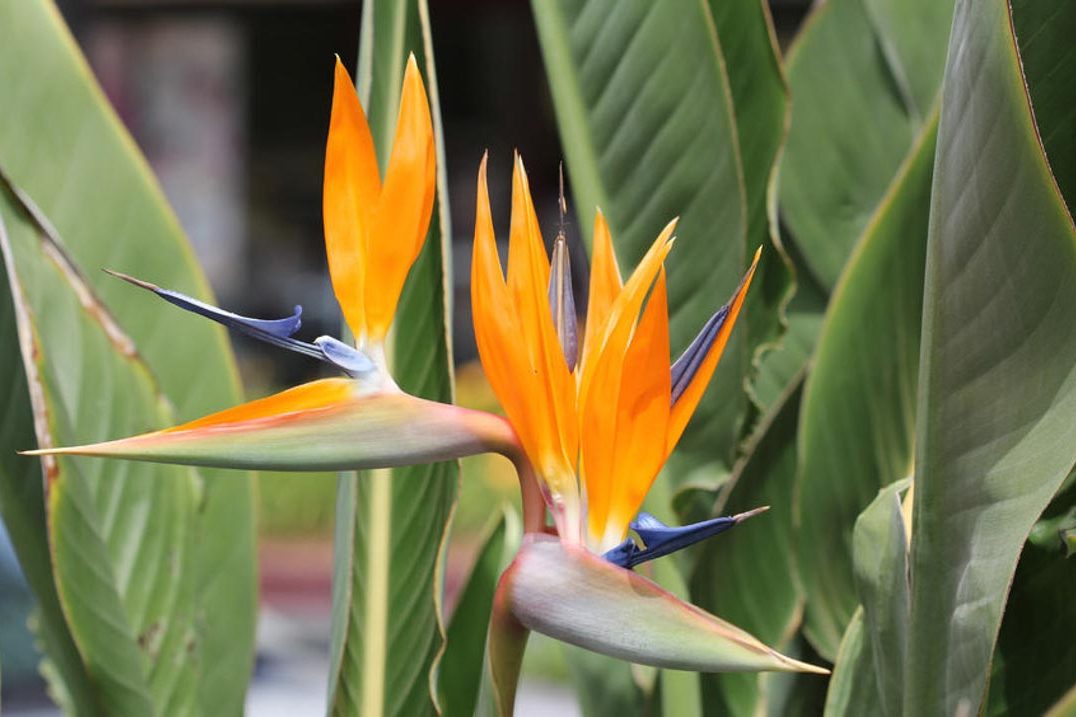
Birds of Paradise is a tropical flower with distinctive blue and orange flowers that resemble a bird’s head and beak, hence the name. These colorful plants are easy to grow indoors and will grow rapidly if fertilized regularly and kept in a pot. Birds of Paradise can grow up to 6 feet tall and will not flower until they reach 3 to 5 years old. Keep it in bright light with some direct sun and water often enough to keep the soil moist.
Kentia Palm (Howeia)
Palm trees are the epitome of exotic, and they’re synonymous with “tropical.” The Kenita Palm is one of the easiest types of palm trees to grow indoors, as long as you plant it in a fast-draining potting mix, fertilize it monthly, and keep it in a warm area. This plant does best in temperatures above 55 degrees Fahrenheit and with filtered, bright sun. Water weekly in the summer months, but be sure to let the soil dry between waterings.
Living Stone (Lithops)
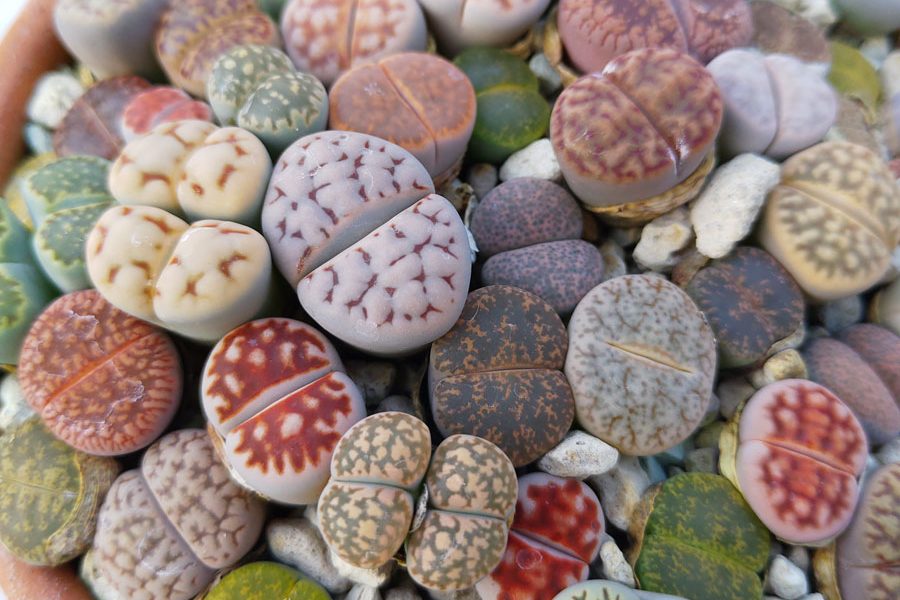
This plant is called living stone for good reason and is native to southern Africa. The plant looks like stones or pebbles and comes in shades of green, gray, rust, green, brown, and sometimes pink. Living Stone plants are small enough to grow on a windowsill or patio table, and a collection of varying colored ones will surely spark a conversation with your guests.