
When you’re growing a vegetable garden, all that time and hard work can easily be for nothing if an invading and destructive pest species attacks your plants. One of the most common among these pests is the cabbage looper. It’s such a disappointment to lose those precious vegetable plants, so stay tuned to learn what cabbage loopers can do to your plants, how to get rid of them, and how to prevent their presence in the future.
What is a cabbage looper?
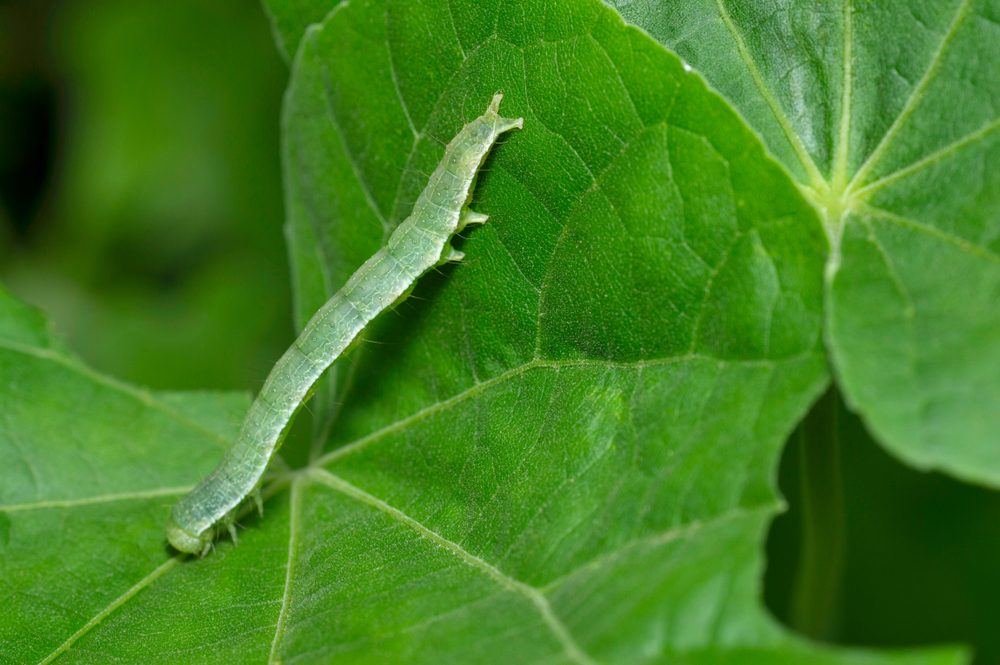
Cabbage loopers are small, green caterpillars, and they are the larvae stage of the brown cabbage looper moth. Not to be confused with cabbage worms, cabbage loopers are easily identified by their signature walk. They only have feet on the front and back ends of their bodies, so they move similarly to an inchworm, but in a more wobbly, awkward fashion.
Why are cabbage loopers a problem?
The brown cabbage moths lay their eggs in neat rows on the underside of your vegetable plants’ leaves, and when the eggs hatch, the larvae ravage the leaves and even the vegetables growing on your plants. Then, they make their cocoons on the plant and emerge as moths that will begin the process again. They can cycle through several generations during the growing season if left alone to breed, and their eggs can even survive over the winter and begin the process again in the spring.
While they’re called “cabbage” loopers, these destructive pests will feed on many different vegetable plants, including broccoli, cauliflower, leafy greens, and even tomatoes. Their feeding can easily stunt the growth of your plants and can even destroy the vegetables growing by boring holes in them and leaving behind their slimy entrails.
How to get rid of cabbage looper pests
If you see signs of cabbage loopers on your vegetable plants, take action right away. The presence of these pests is most commonly evidenced by:
- Holes bored in leaves and vegetables
- Rows of eggs on the underside of leaves
- Visible caterpillars on the plants
To get rid of cabbage loopers, there are a few options, and which method you use depends on how many plants you have and how bad the pest problem is in your garden.
Hand-pick caterpillars and eggs
If you have a small garden with only a few plants, simply examine your plants and pull caterpillars and eggs off with your hands. Be sure to check the underside of the plant’s leaves as this is where they lay their eggs. Squish them or toss them in a cup of soapy water to kill them.
This method does require some diligence since eggs can be laid or hatched overnight. Check your plants daily, if possible.
Attract cabbage looper predators
Trichogramma wasps, or parasitic wasps, are the main predator of cabbage loopers. Plus, they don’t sting or bite humans, unlike regular wasps, so they won’t pose any danger to you or your family. While they feed on nectar and pollen like other species of bees and wasps, this particular type lays its eggs inside the eggs of caterpillars to effectively kill the caterpillar egg.
Attract parasitic wasps by planting flowers and herbs like dill, cilantro, and fennel. Alternately, you can purchase these insects and release them into your garden.
Use bacillus thuringiensis
Often called BT, bacillus thuringiensis is an organic bacteria that naturally exist in most soil. BT is sold as an organic pesticide product that you can spray on your plant directly. Then, when cabbage loopers eat the sprayed leaves, their digestive system becomes damaged and they die fairly quickly.
The best thing about BT is that it is harmless to plants, humans, and beneficial insects. It only kills insects that actually eat the leaves, which are the ones you want to exterminate or keep away. Bees and other pollinators will not be harmed.
Cabbage looper control and prevention
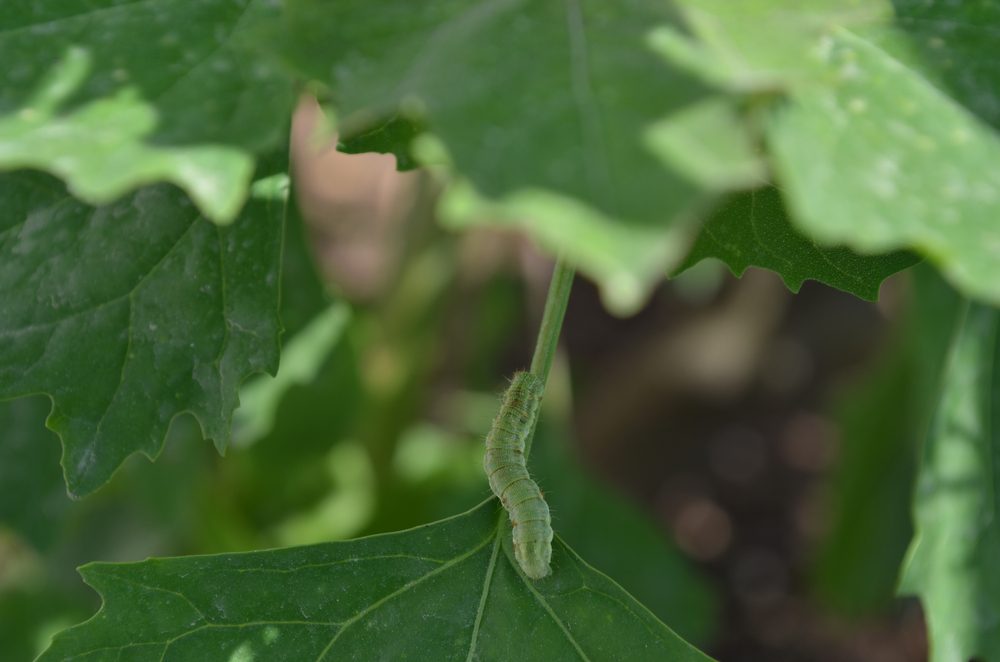
Of course, the best method of controlling cabbage loopers is to prevent their presence altogether. If you’ve had a cabbage looper problem in the past, take some preventative measures in the spring to control and prevent a new population from growing.
Install bug netting
Since the infestation of cabbage loopers starts with the adult moth laying its eggs, installing bug netting or row covers over your plants in the spring will prevent the moths from reaching the plants’ leaves so they can’t lay their eggs and grow a population in your garden.
Integrate repellent plants
Certain herbs and flowers can repel cabbage loopers and discourage them from laying eggs in the vicinity. Some of these plants include scented geraniums, yarrow, fennel, dill, and cilantro, all of which are super easy to grow.
While cabbage loopers are notorious for ravaging many types of vegetable plants and destroying gardeners’ chances of a good yield, you don’t have to let them. Get ahead of the problem with these tips for eradicating and preventing the presence of these destructive pests.