
If your house smells terrible, the culprit might be something you’d never expect. Bacteria grows in many areas you may not think about often, and even the cleanest house might be full of unwanted odors if you’ve picked up some bad cleaning habits.
Or, maybe you’re new to keeping a space odor-free and want to make sure your place doesn’t get stinky at all. As a new homeowner or if you’re living alone for the first time, you might not consider different areas where odors can build. Read on for tips on forming new cleaning habits and keeping your home free of bad smells.

Clean the fridge
The refrigerator is often overlooked when you’re looking for the cause of an odor, but it shouldn’t be. Freezers and fridges are both prone to bad smells. Even though the cold kills most bacteria, it doesn’t stop them from growing completely. Instead, the slow growth of the bacteria can build up until you’re used to it.
It doesn’t have to be something major — like rotting produce in the crisper — to generate odor. An old jar of something in the back of the fridge could be the source of the smell. So could the drips and drops from different jugs and containers.
Make sure you clean out the fridge (and freezer). Dump those old cheese and sauces. And wipe out the crisper, side doors, and shelving. Do this every other month or so, and you’ll have a stink-free fridge.
Change the sheets
Hopefully, you change your sheets once a month (at the very least). Depending on your age and stage of life, you might need to do so weekly. Your pillowcases should be washed every one to two weeks as heads are oilier and generate more bacteria.
If you share a bed with a partner, it would be wise to invest in multiple sets of sheets so you can rotate them out (without having to wash one set every week or two). Washing your sheets every week may also be the best way to minimize odors based on certain times of the year, body temperatures, and more. As soon as you make changing sheets a priority, you’ll notice your bedroom is less musty.
No wet laundry
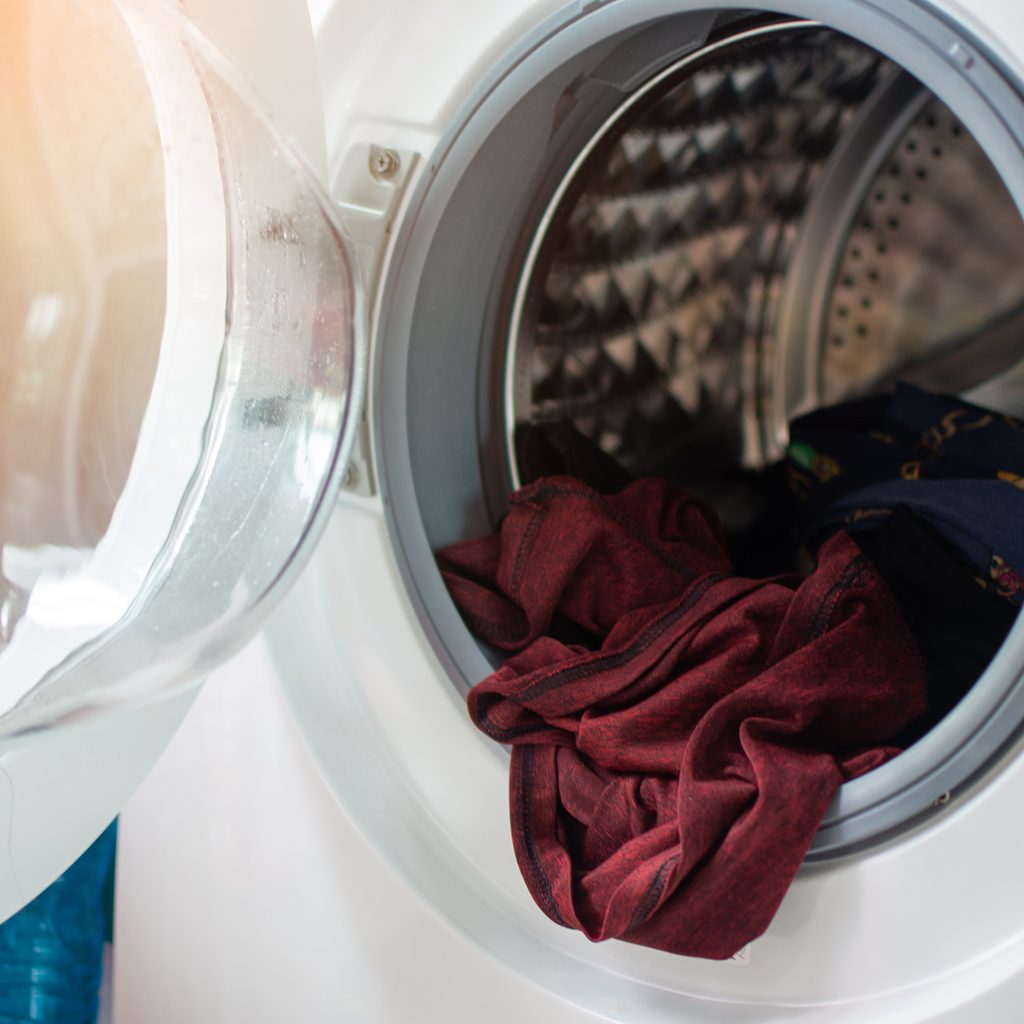
Wet places and objects breed germs, bacteria, and mold if left wet for too long. Whenever you wash your laundry, you might forget a load in the washing machine or you might forget to turn on the dryer. It’s okay if this is a once in a while thing, but if you leave your laundry for too long, it’s going to stink. If you leave your wet clothes for more than a day, you should rewash them to remove any odor-generating things.
You should also make sure you let your washing machine dry after use. For example, if you close the lid after your last load and don’t let it air out, the water and humidity may allow for mold or mildew to grow.
Unclog the drain
An easily forgettable place that makes house smells terrible: drains. Your sinks and tubs collect tons of waste, which means many opportunities for mold, mildew, and bacteria to grow.
If you don’t use certain sinks or tubs in your home often, it’s important to run water down the drain to clear it out. For drains you do use frequently, you should still clean them. Use any available drain cleaner and de-clogger to unplug any built-up waste and debris. You’ll find your bathroom and kitchen smell fresher right away.
No smoking indoors
No smoking indoors is as much a health tip as it is an odor reducer. Whatever you’re smoking for whatever reason, don’t do it indoors. Furniture, paintings, wall hangings, carpeting, and wood absorb a variety of smoke. The best way to keep your house odor-free from any recreational or medicinal smoking is to do it outdoors.
Mind your trash
Trash is a pretty obvious odor source. Taking out the trash whenever it’s smelly is an easy solution, but you can also buy better can liners to block odors and leakage too.
If the trash smells bad after a fish fry, consider baking soda as an odor absorber. If it’s not trash day, this can keep the smell tolerable until pickup. Plus, you can always sprinkle this in your cans in case any bags rip and leak.
Air it out
When was the last time you opened your windows? Fresh air is called fresh for a reason. Even if you’re sensitive to certain allergens, opening up the windows can do wonders.
You don’t have to do this long or often, but try different times of the year. Try the cooler months when allergens are less present. Don’t open up windows on windy days to avoid excessive dust and allergen spread.
Change those filters
Did you know air filters are one of the most significant sources of odor production in a home (next to trash and dirty drains)? If you want fresher air in your home, you need to change your air filter every three to six months. This depends on pet dander and air quality in your area, too.

Pet clean up
If you’re a pet owner, make sure you clean up after them, too. Pet dander and fur produce musty odors and cling to every fabric surface in a home. If you own cats, make sure you clean their litter box weekly. You can even purchase odor-absorbing litter if you live in a small place.
If you employ these nine cleaning habits, you’ll be on your way to a fresher-smelling home in no time.