Our laptops, phones, smartwatches, keyboards, tablets, GPS units, and other devices get our undivided attention for many hours of the day. That also makes them little capsules of germs, dirt, and grime because we’re touching them after eating, shopping, driving, running errands, and using the bathroom. (Our phones are actually dirtier than a toilet seat!) If you have kids, many of these devices are handed to them when we need a moment of peace and quiet, so adding their germs into the mix can make for a cesspool of ICK.
Maintaining our tech hygiene, given that germ transmission is a big concern these days, is critical to staying healthy and avoiding illness. The good news is, experts have weighed in on the best way to keep our devices clean and germ-free. The options are cheap, easy to find, and are safe to use.
According to the experts
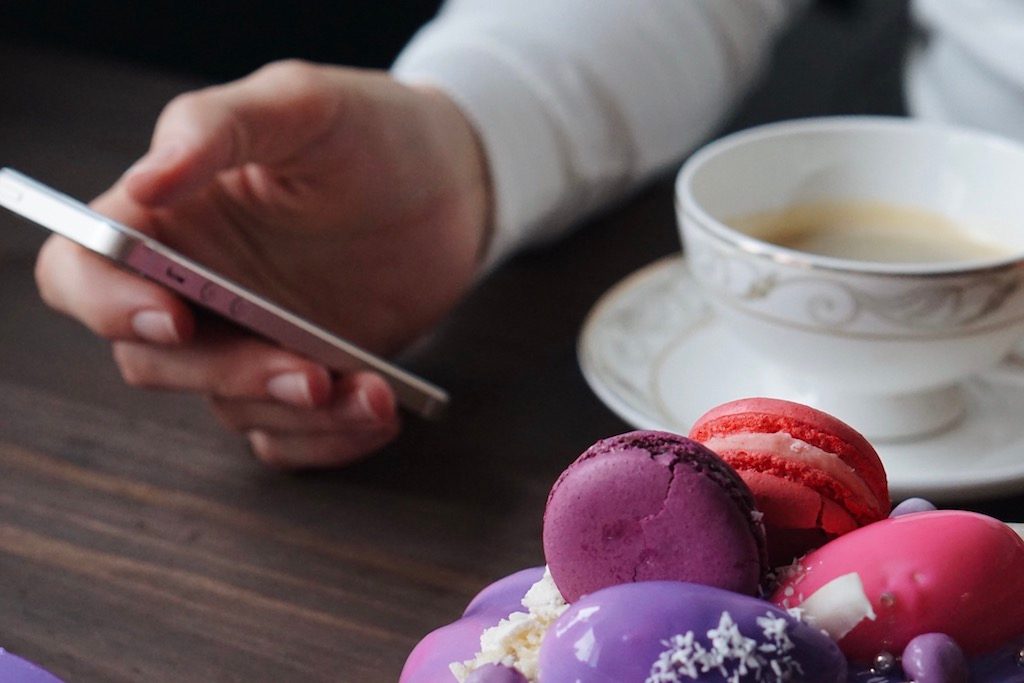
After the pandemic hit, Apple came out with an official guidance on how to clean their products. “Using a 70 percent isopropyl alcohol wipe or Clorox Disinfecting Wipes, you may gently wipe the exterior surfaces of your iPhone,” the company said. “Don’t use bleach. Avoid getting moisture in any openings, and don’t submerge your iPhone in any cleaning agents.”
The CDC also weighed in, stating that, “Laboratory data demonstrate that 60 percent ethanol and 70 percent isopropanol, the active ingredients in CDC-recommended alcohol-based hand sanitizers, inactivates viruses that are genetically related to, and with similar physical properties as, the 2019-nCoV,” so you can use rubbing alcohol to disinfect the screen and chassis.
What about accessories?
If you keep your phone in a case, you can remove the case and wash it thoroughly in hot soapy water, allowing it to dry thoroughly before putting it back on your phone. For other accessories like a keyboard or mouse, alcohol-based cleaners work well for killing bacteria and other invisible germs on its surface.
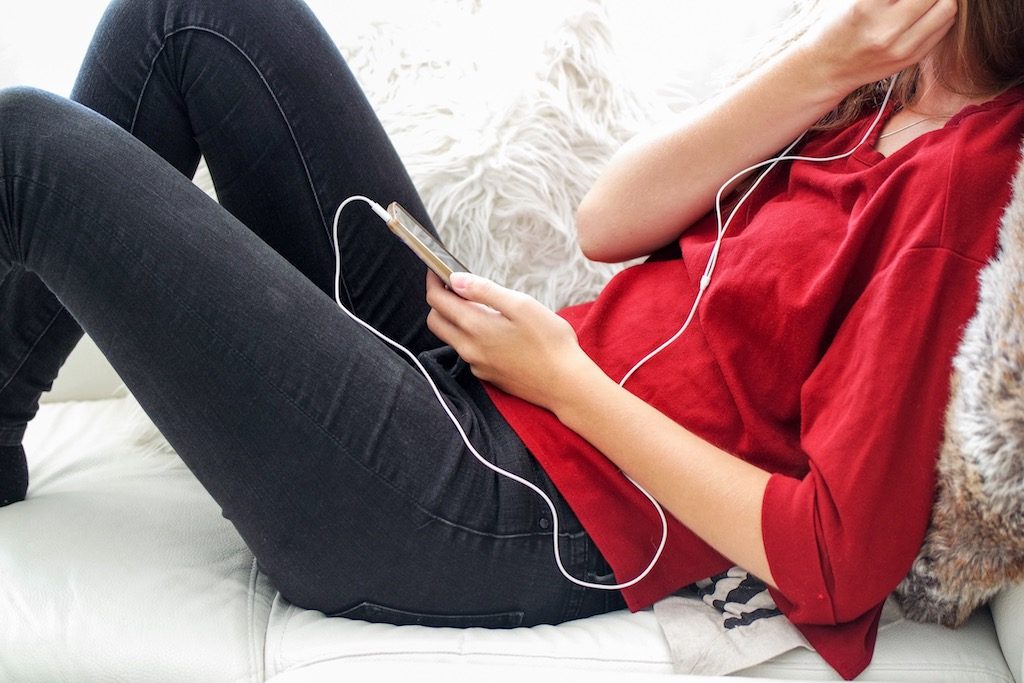
In-ear headphones, like Apple AirPods, which you put in and take out frequently during the day, can be cleaned with a damp cloth, Blu Tack (to get all the nasties in the earplug out), and cotton balls dunked in isopropyl alcohol. You can also use Clorox wipes for the outer surface and wires.
Natural disinfectants
Like PhoneSoap or other sanitizer wands, a UV light sanitizer is your best bet if you want to avoid harmful ingredients. According to the FDA, “UVC radiation is a known disinfectant for air, water, and nonporous surfaces. UVC radiation has effectively been used for decades to reduce the spread of bacteria, such as tuberculosis. For this reason, UVC lamps are often called ‘germicidal’ lamps.” The VANELC V light is under $60, well-reviewed, and may be worth the investment to keep germs at bay without using chemicals.
An important note
Amesh Adalja, a senior scholar at the Johns Hopkins University Center for Health Security and a spokesperson for the Infectious Diseases Society of America, says that, while our devices are far from sterile, they’re not a prime culprit in spreading diseases, which are commonly passed via the air after a person coughs or sneezes. That said, they are a magnet for germs and other bacteria, which can spread easily if you give your phone to another person, so cleaning them often is important.
On that note, you’ll spend less time cleaning your devices if you clean them frequently. That way, dirt and debris don’t have time to build up, and it will be easier to remove. Plus, it just makes sense from a sanitary perspective.
Any gadgets like smartphones, smartwatches, tablets, and laptops regularly exposed to your hands should be ideally cleaned daily, especially if you aren’t using chemicals to do so. If your kids or someone else is using your phone, it’s a good idea to clean it afterward to avoid someone else’s germs.
The pandemic has highlighted the need to remain vigilant about proper ways to keep safe and healthy. One way to do this is to keep everything we come in contact with clean as well. It’s not just a good hygiene practice to maintain in everyday life; it’s crucial in cold and flu season to maintain healthy habits to keep everyone safe and healthy.