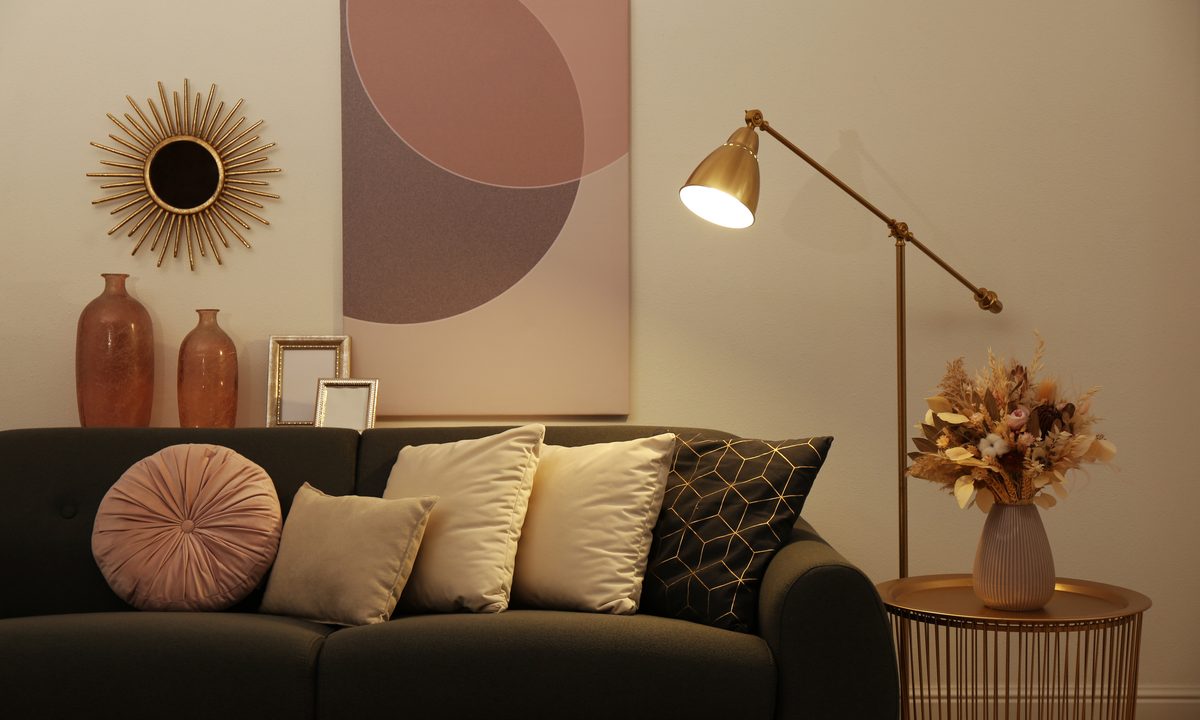
When it comes to home decor, few pieces are as essential as the sofa or couch. Yet, the distinction between these two terms is often blurred, leaving many wondering: Sofa vs. couch — What’s the real difference? While they may seem interchangeable, each has unique characteristics that set it apart. Understanding the nuances can help you choose the right piece for your modern living room space and design aesthetic.
What is a sofa?
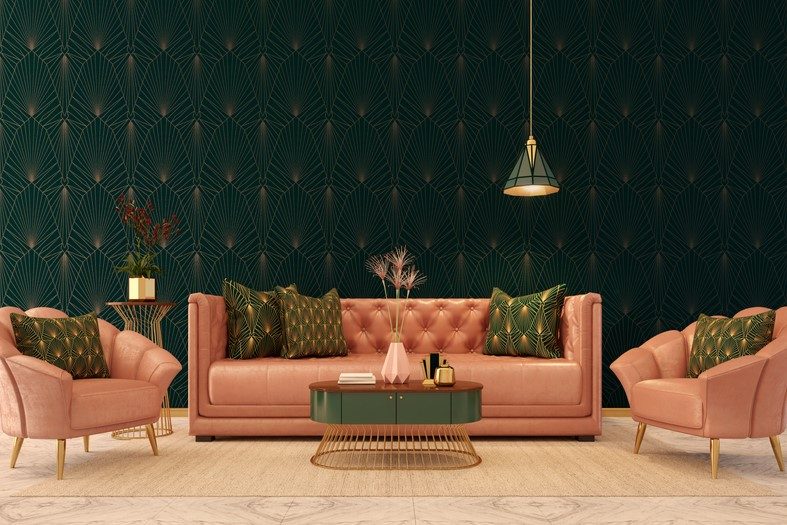
A sofa is typically a larger, structured piece of furniture designed with style and formality in mind. Often featuring upholstered arms, a backrest, and a more refined design, sofas are ideal for living spaces where aesthetics and style are emphasized.
What is a couch?

A couch, in contrast, tends to be smaller and more casual in design. Softer and less structured than sofas, couches may or may not have arms and are often associated with a cozy, relaxed vibe, making them a staple in family rooms and casual spaces.
Differences: Sofa vs. couch

Now that we’ve defined each term, let’s explore some specific differences that can help you decide which piece is right for your home. Understanding the distinctions in size, design, and intended use can guide your selection and help create the perfect atmosphere in your space.
Size and design
One of the primary differences between sofas and couches lies in their size and design. Sofas are generally larger, offering a more substantial presence that can easily anchor a room. They’re often designed with a structured frame, upholstered arms, and a sturdy backrest, giving them a formal, tailored look that’s perfect for elegant living rooms and other spaces where a polished appearance is desired.
On the other hand, couches lean toward a softer, more relaxed design. They tend to be slightly smaller than sofas, making them a practical choice for smaller or cozier rooms. Couches may not have arms, which allows for a more open, less restricted feel. This flexibility in design makes couches versatile for a variety of informal settings and ideal for lounging and unwinding.
Formal or casual?
The difference in formality is another key factor when choosing between a sofa and a couch. Sofas are often the more formal option of the two, crafted with elegance and sophistication in mind. This formal touch makes them suitable for areas of the home that receive guests, such as a formal living room or a sitting area where style is as important as comfort.
Couches, in contrast, are associated with a casual vibe. Their more relaxed design and comfortable feel make them the perfect addition to spaces meant for everyday use, such as cozy family rooms, relaxing dens, or casual rec rooms. Couches invite people to kick back, unwind, and enjoy a laid-back environment, making them a favorite for family gatherings and movie nights.
Location and use
The distinction between a sofa and a couch can also influence where each piece is commonly placed in a home. Due to their larger size and structured design, sofas are typically reserved for more formal settings, such as formal living rooms or reception areas. They help set the tone for a space, creating a refined look that can elevate the overall design.
Couches, with their easy-going style, are often found in more casual spaces, including family rooms, dens, and even bedrooms. Their smaller, often armless design allows them to fit comfortably into various areas without overwhelming the space. This versatility makes couches the go-to choice for cozy spots where people gather to relax and enjoy each other’s company.
Sofa vs. couch: Which is right for your space?

Choosing between a sofa and a couch depends on the style and purpose of your space.
If you’re looking to create a sophisticated, formal area where aesthetics play a central role, a sofa may be the better choice. Its structured design and refined appearance can add an elegant touch to formal spaces, making it the perfect centerpiece for a traditional or modern living room.
Alternatively, if you’re aiming for a more casual, comfortable setting, a couch might be the way to go. Couches bring a sense of warmth and relaxation that suits family rooms, dens, and other laid-back spaces. They’re also a good option for smaller areas, as their flexible design can be adapted to fit various layouts and styles.
Ultimately, the choice between a sofa and a couch comes down to your lifestyle and the mood you want to create in your home. Think about how you use each space and consider whether a formal or casual feel aligns best with your needs.
While the terms sofa and couch are often used interchangeably, they each bring a unique flair to a home. Sofas, with their structured design and formal appeal, are ideal for creating a polished look in living rooms and reception areas. Couches, on the other hand, provide a cozy, informal vibe that’s perfect for spaces meant for relaxation and family gatherings.
Whether you choose a sofa or a couch, understanding the distinctions can help you make a more informed decision and create the perfect setting in your home. By selecting the right piece, you’ll not only enhance your decor but also shape the atmosphere of your space, making it a true reflection of your style and lifestyle.


