
If you’ve ever noticed a rotten egg smell in your house, it can be alarming — and for good reason. That distinct sulfur-like odor often indicates something more serious than an unpleasant scent. Whether it’s a minor inconvenience or a significant safety hazard, understanding the root cause is crucial for maintaining a safe and comfortable home. Let’s uncover the truth behind the rotten egg smell and what steps you should take to address it.
7 reasons behind that rotten egg smell in your house
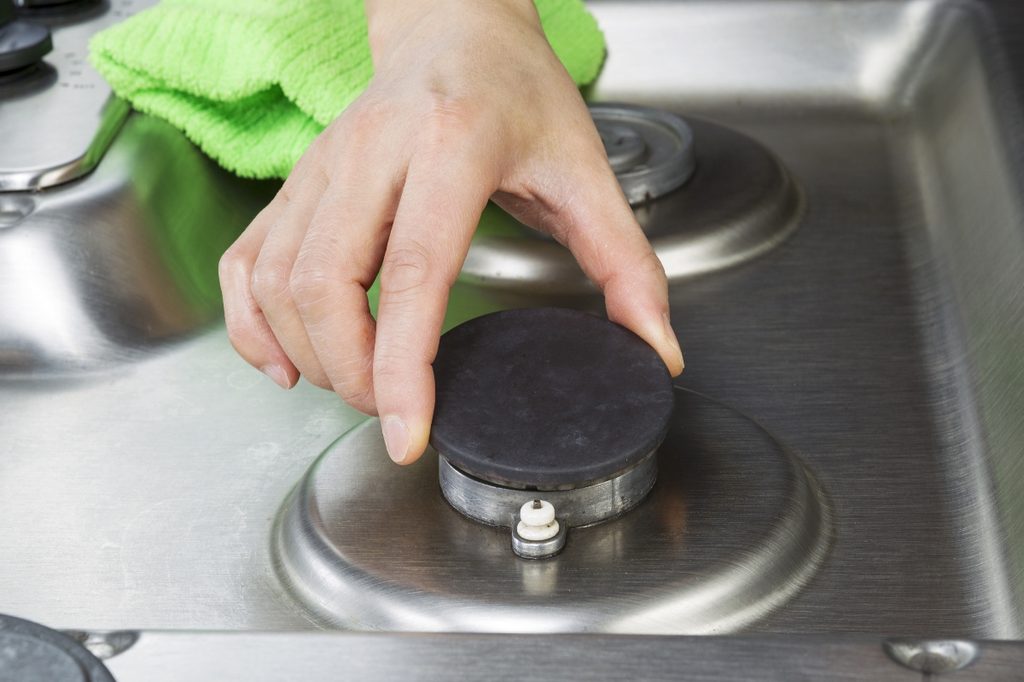
The rotten egg smell in your house is more than just a nuisance; it’s a warning sign that something isn’t right. This smell is often caused by the presence of hydrogen sulfide gas, which can stem from various sources. Here are the most common culprits behind that unpleasant odor, along with steps to recognize and resolve them.
1. Natural gas leak
A natural gas leak is one of the most dangerous causes of a rotten egg smell in your home. Utility companies add a harmless chemical called mercaptan to natural gas to give it that sulfur-like odor, making leaks easier to detect. If you suspect a gas leak, the first step is to act quickly.
Warning: If you smell rotten eggs and suspect a gas leak, leave your home immediately without flipping any switches or using electronics, as they could spark an explosion. Call your gas provider or 911 from a safe distance to report the issue.
2. Sewer gas
Sewer gas is another common source of the rotten egg smell in a house. This odor can result from a broken sewer line, a faulty plumbing vent, or a clogged drain, allowing the gases from waste to escape into your living space.
Warning: Exposure to sewer gas can pose serious health risks, including headaches, dizziness, and nausea. Address this issue promptly to avoid long-term exposure to harmful fumes.
3. Dried out drain pipes
If you rarely use certain sinks, tubs, or floor drains, the water in the drain traps can evaporate. Without that water barrier, sewer gas can flow back into your home, creating a rotten egg smell.
4. Well water
Homes with well water may experience a rotten egg smell due to hydrogen sulfide naturally present in the water. While this isn’t typically harmful, it can be unpleasant and may require water treatment to remove the odor.
5. Defective drywall
Believe it or not, certain types of drywall can emit a rotten egg smell. This issue became widely known with defective drywall imported from China during the early 2000s. The materials used in this drywall can release sulfur compounds over time, causing the unpleasant odor.
6. Water heater
Your water heater could be the source of the rotten egg smell, especially if you notice it when using hot water. The culprit is often a reaction between the water’s naturally occurring sulfate and the heater’s anode rod, which creates hydrogen sulfide gas.
7. Clogged drain
A clogged drain, especially in your kitchen or bathroom, can trap organic matter that decomposes over time, emitting a sulfur-like smell. This is typically a localized problem and can be addressed with proper cleaning or a professional plumber.
How to get rid of the rotten egg smell
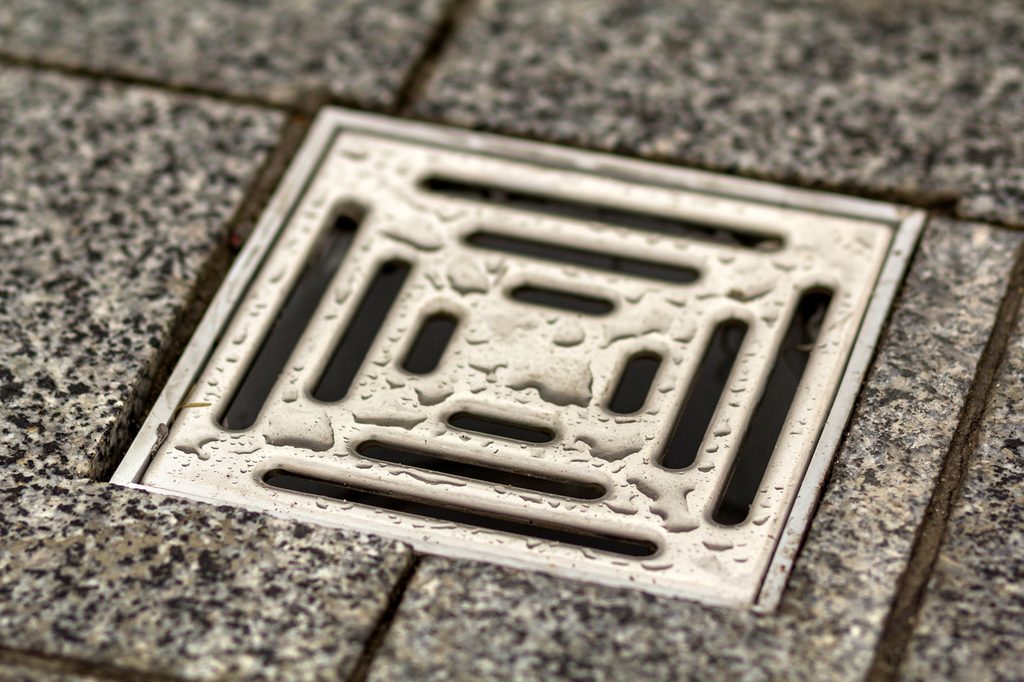
Getting rid of the rotten egg smell in your house depends on identifying the source. Here are some general tips to help you tackle the problem:
- For gas leaks: Evacuate immediately and call your utility provider or emergency services. Do not attempt to resolve a gas leak yourself.
- For dried drain pipes: Pour water into the affected drains regularly to restore the trap seal. Adding a small amount of vegetable oil can slow evaporation.
- For well water: Install a water treatment system, such as an aeration system or a carbon filter, to remove hydrogen sulfide from your water supply.
- For your water heater: A plumber can replace the anode rod with a less reactive material, such as aluminum, to eliminate the smell.
- For clogged drains: Clean out the blockage using a plumbing snake or a natural drain cleaner. Avoid harsh chemicals, which can damage your pipes over time.
- For sewer gas: Seal any visible cracks in your plumbing system and ensure all vents are functioning properly.
When to call in the pros
While some fixes are simple, others require the expertise of a professional. Here are situations where you should contact a specialist:
- Gas leaks: Always call emergency services or your gas provider if you suspect a leak. Never attempt to fix this issue on your own.
- Persistent sewer gas odor: If basic fixes like adding water to drains don’t resolve the issue, you may need a plumber to inspect your system for leaks or blockages.
- Water treatment: Installing or repairing a water filtration system for well water often requires professional help.
- Water heater issues: A qualified technician can diagnose and resolve problems with your water heater, especially if it involves replacing parts.
The rotten egg smell in your house is not just unpleasant — it’s often a sign of an underlying issue that requires attention. Whether it’s a gas leak, sewer gas, or a water-related problem, understanding the cause is key to resolving the smell and ensuring your home remains a safe and comfortable place. When in doubt, don’t hesitate to call in professionals to address complex or hazardous situations. Taking swift action can protect your family’s health and peace of mind.