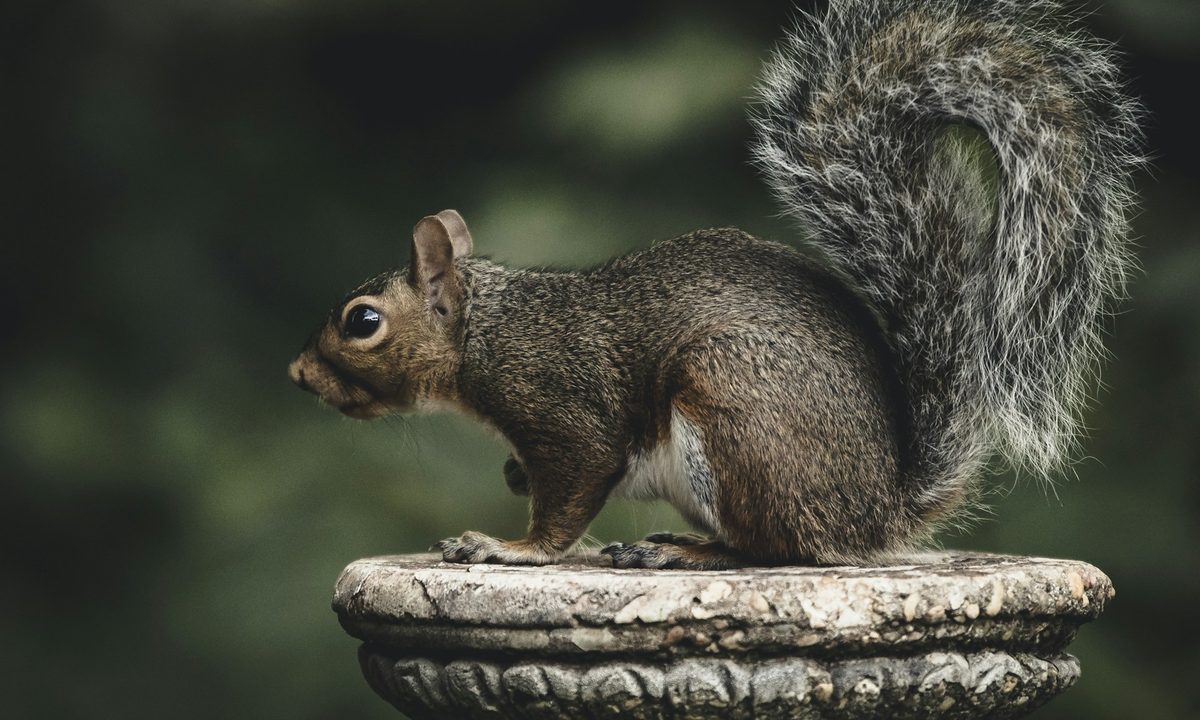
If you’re tired of finding your gorgeous potted plants dug up and disturbed, you’re not alone. Learning how to keep squirrels out of potted plants is essential for protecting your greenery and maintaining a tidy outdoor space. These furry creatures may be cute, but they can be a real nuisance when they decide to dig for food or bury their own stash in your plants. Fortunately, there are several effective methods to keep squirrels at bay without harming them or using harsh chemicals.
From natural pest repellents to physical barriers, this guide will explore the best strategies for deterring squirrels and keeping your potted plants safe.
How to keep squirrels out of potted plants: Natural repellents
One of the easiest and most eco-friendly ways to keep squirrels away from your potted plants is by using natural repellents. Many household items and common garden ingredients can deter these persistent rodents simply because of their strong scents or tastes.
By incorporating specific natural deterrents into your plant care routine, you can create an unwelcoming environment for squirrels while keeping your plants safe and healthy. Here are three powerful natural repellents to try.
Coffee grounds
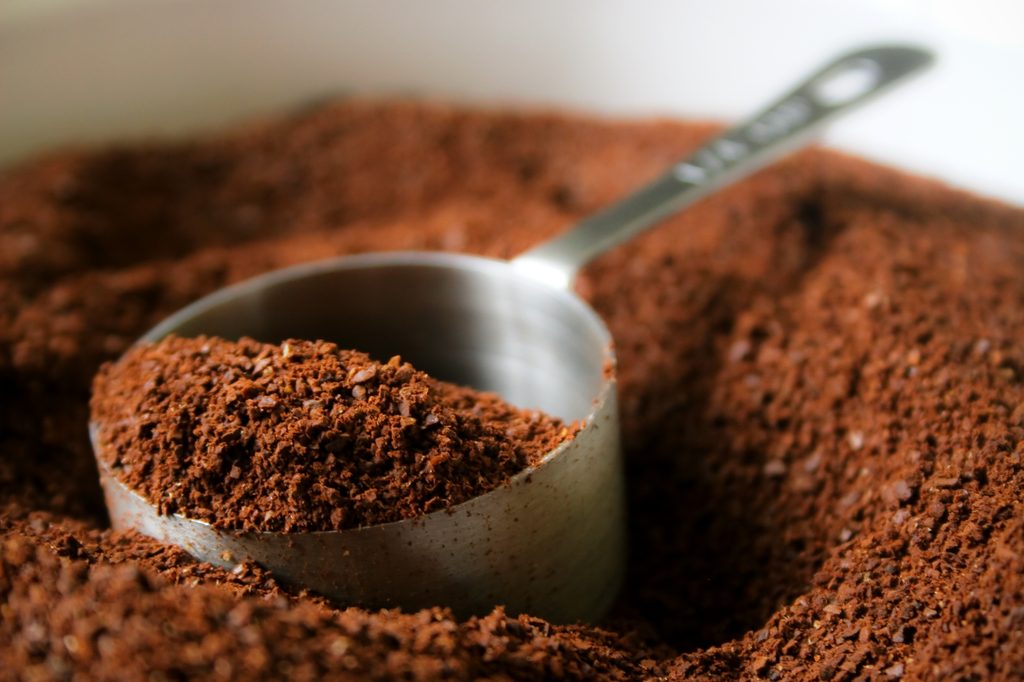
Coffee grounds are not only great for fertilizing your plants, but they can also serve as a deterrent for squirrels. The strong scent of coffee is unpleasant to them, making your potted plants a less desirable place to dig.
To use this method, simply sprinkle used coffee grounds around the base of your plants. Reapply every few days or after heavy rain to maintain effectiveness. As an added bonus, coffee grounds can improve soil quality by adding nitrogen and other beneficial nutrients.
Essential oils
Certain essential oils are highly effective at repelling squirrels due to their potent aromas. Peppermint, eucalyptus, and citrus oils are particularly effective in discouraging squirrels from coming near your plants.
To use essential oils as a deterrent, mix a few drops of your chosen oil with water in a spray bottle and mist the soil and leaves of your potted plants. Alternatively, soak cotton balls in essential oil and place them around the plants. Refresh the cotton balls or respray every few days to maintain the scent.
Repellent spices
Squirrels have sensitive noses, which make strong-smelling spices an excellent deterrent. Spices like cayenne pepper, black pepper, and garlic powder can make your potted plants unappealing to these critters.
To use this method, simply sprinkle a light layer of repellent spices around the soil. Be sure to reapply after watering or rain, as moisture can wash away the effectiveness. Keep in mind that while these spices won’t harm squirrels, they may cause mild irritation if they come into contact with their noses or paws, encouraging them to find a more comfortable place to dig.
Other methods for deterring squirrels from potted plants
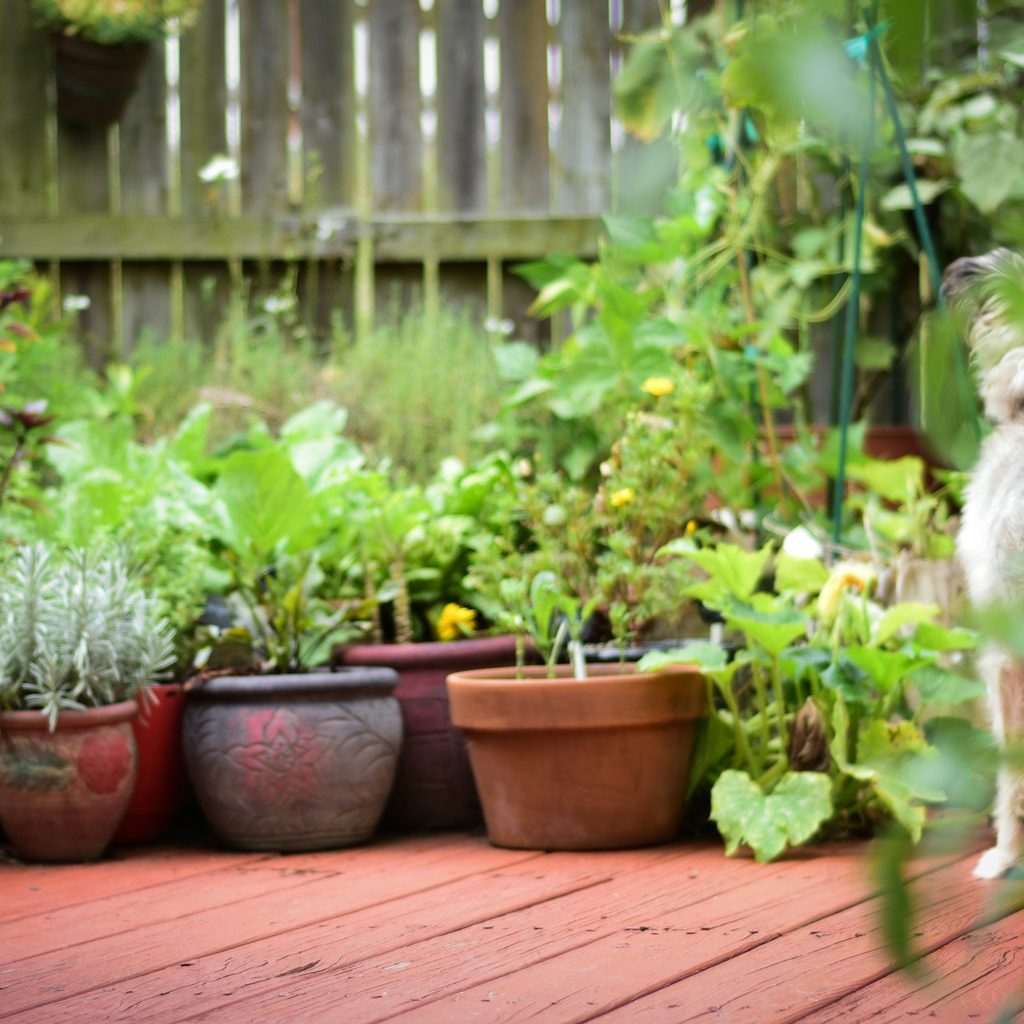
While natural repellents can be highly effective, some squirrels are persistent and may still attempt to invade your potted plants. In such cases, additional deterrents can be useful. By implementing a combination of strategies, you can maximize your success in keeping these furry intruders away.
If natural repellents alone aren’t enough, consider these alternative methods to protect your plants.
Create barriers
Physical barriers are one of the most foolproof ways to prevent squirrels from digging in your potted plants. Wire mesh, chicken wire, or decorative plant cages can all serve as effective deterrents.
To implement this strategy, place a layer of mesh or wire around the base of the plant, securing it with small rocks or stakes. Alternatively, consider using cloches — dome-shaped plant protectors — that shield your plants while still allowing airflow and sunlight.
Plant things that squirrels don’t like
Another great way to deter squirrels is by strategically incorporating plants they dislike. Squirrels tend to avoid certain repellent flowers and herbs due to their strong scents or textures.
Consider adding plants such as daffodils, marigolds, or hyacinths around your potted plants. Herbs like rosemary, lavender, and mint also serve as natural deterrents while adding beauty and fragrance to your garden. By planting these varieties near your more vulnerable plants, you can create a natural barrier that discourages squirrels from getting too close.
Incorporate shiny objects
Squirrels are easily startled by reflective or shiny objects, making this an easy and low-maintenance way to keep them away from your potted plants. Items such as aluminum foil, reflective tape, or metallic pinwheels can create movement and flashes of light that deter squirrels.
Try wrapping strips of aluminum foil around the base of your pots or hanging old CDs from nearby branches. Pinwheels can also be a fun and decorative addition to your garden while serving a practical purpose. This method is especially useful in areas where squirrels are hesitant to approach unfamiliar or shifting objects.
Keeping squirrels out of potted plants requires a combination of strategy and persistence. Whether you opt for natural repellents like coffee grounds, essential oils, and repellent spices or take a more physical approach with barriers, unfriendly plants, and shiny objects, there are plenty of ways to protect your greenery.
By experimenting with these different methods and adjusting as needed, you can create a squirrel-free space where your potted plants can thrive. With a little effort, you’ll be able to enjoy a beautiful, undisturbed garden without worrying about mischievous squirrels digging through your soil.