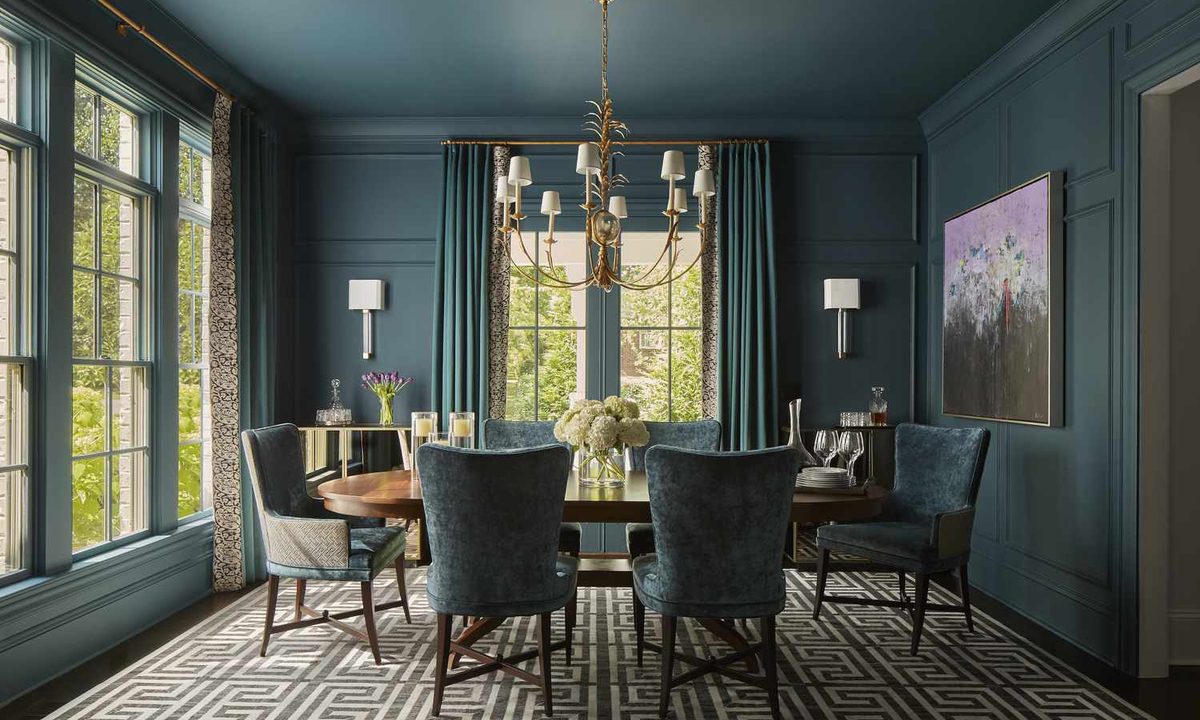
What is color drenching?
Color drenching is an interior design trend where a single color is used on every surface in a room. This includes walls, trim, doors, and even the ceiling, creating a cohesive and immersive atmosphere. The technique can make a small room feel larger or a spacious room feel cozier, and it often extends to furniture, radiators, and cabinetry for a bold, unified effect.
While the term color drenching is relatively new, the concept has deep roots in design history. The look can be traced to historic European interiors where monochromatic schemes added depth and luxury. Even in the Victorian era, richly saturated jewel tones were often used in grand spaces such as libraries and parlors. It reappeared during the 1960’s and 1970’s as well. Designers have long understood that a single, enveloping hue can create a striking sense of mood and continuity.
Why the world is going monochrome again, and why designers love it
Color drenching has both emotional and visual impact. It produces a unified, harmonious space with minimal effort and allows paint to take center stage as an affordable design tool. Painting the walls, trim, ceiling, and baseboards the same color eliminates visual breaks, which can make the room appear taller and disguise imperfections. Designers love this approach for its ability to reduce visual clutter and create a seamless backdrop that allows other textures, such as textiles, furniture, and lighting, to shine.
How to try it
If you want to experiment with color drenching in your own home, start with thoughtful planning. The first step is choosing the right hue. Over the past year, designers have embraced deep aubergine, olive green, dusky clay, denim blue, and warm neutrals like mushroom, greige, and taupe. Test a few paint samples on your walls and observe how the color changes throughout the day as the light shifts.
While you don’t have to use the same finish everywhere, keeping the sheen consistent, such as eggshell or satin, can make the room feel more cohesive. Always use the correct primer before applying bold colors to ensure smooth coverage. Then, paint it all: walls, trim, ceiling, doors, and any architectural details. Once the room is complete, add depth with texture through fabrics, flooring, and lighting rather than contrasting colors.
If you’re hesitant, begin with a smaller space like a powder room, home office, or hallway. These areas can handle bold experimentation and will give you confidence before tackling larger rooms.
Closing
Color drenching proves that sometimes more really is more. A single hue, used fearlessly, can bring character, warmth, and a sense of design intention to any space. Whether you lean toward dramatic jewel tones or quiet neutrals, this trend is about embracing color as a powerful tool for self-expression.