
Fighting stains can be challenging because different stains require different approaches. What works for a juice spill won’t necessarily work on splattered oil. But two basic rules apply to every stain:
- Act as quickly as possible—a fresh stain is always easier to treat.
- Test the treatment on an inconspicuous part of the garment if you’re concerned about damaging the fabric.
Follow our tips and tricks to get any stain out of your clothes with these amazing products.
 White vinegar
 White vinegar
White vinegar is one of nature’s little miracles—equally at home in a salad dressing, as it is as to keep your hardwood floors sparkling clean. One of the best superpowers of this remarkable kitchen staple is its ability to tackle tough stains on clothing. It’s for that reason that we always keep a Buy Now on hand—for when spot and stain emergencies pop up.
- Coffee & tea: Mornings can be rough, so when your AM rush turns into a caffeine spill, it’s your handy bottle of white vinegar to the rescue. Make a solution of one part white vinegar to two parts water. Dab the mixture on the stain and repeat until the stain is gone. Still see some residual staining? Treat it with Buy Now before laundering as usual.
- Berries: Who can resist a bowl of fresh, sweet berries? As delicious as they are, they can also wreak havoc on your clothes or fabric tablecloths. Here’s what to do when you’re faced with a dreaded berry stain.
- Stretch the fabric over a large bowl.
- Pour boiling water through the fabric and into the bowl beneath—be careful, it’s hot!
- Finish by dabbing the stain with white vinegar followed by a cold-water bath before laundering.
- Spaghetti sauce: When your spaghetti twirling turns into a spray of tomato sauce on the front of your shirt, fear not! Start by scraping any excess sauce off the fabric and rinse with cold water. Flush the stain with white vinegar, rinse with water, and repeat until the stain disappears. Note: For really stubborn sauce stains, you can alternate the vinegar with diluted laundry detergent.
- Soy sauce: Different sauce, same stain fighter. Start by blotting to get the soy sauce stain as dry as possible. Dab the stain with a white vinegar-soaked sponge and rinse with cold water. Repeat until the stain is gone and then launder as usual.
- Ketchup: Dribbled ketchup on the front of your shirt? Run the stain under cold water and then blot with white vinegar. Before laundering, rub a little diluted laundry detergent into the spot.
Other common stain removers
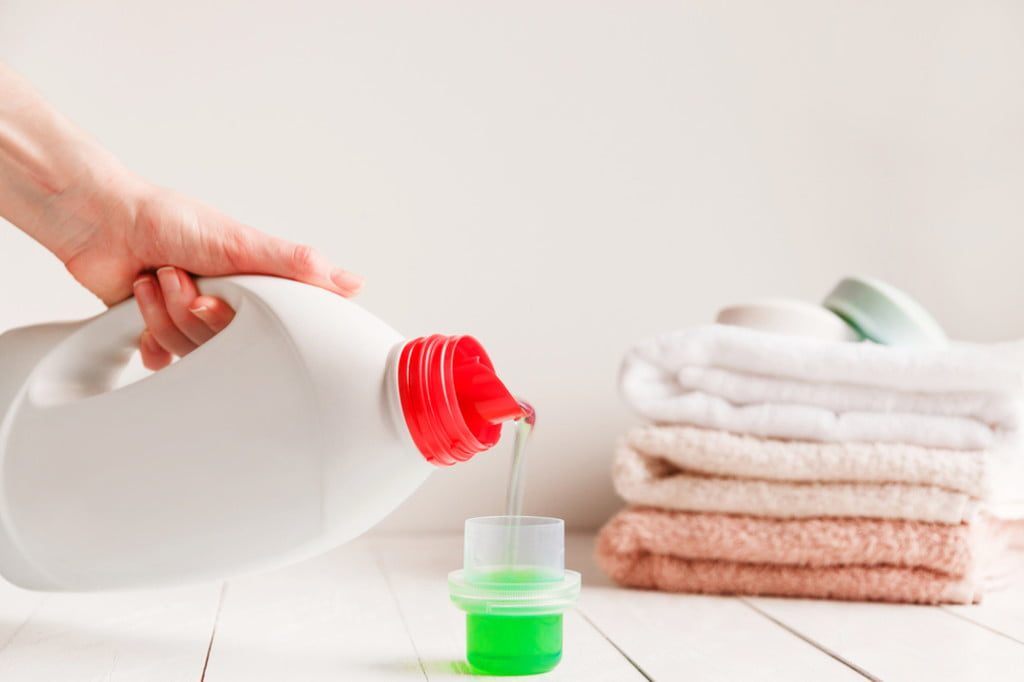 Other common stain removers
White vinegar is an absolute lifesaver, but it doesn’t solve every laundry woe. These other common — yet under-appreciated — stain removers will go far in saving your favorite top or your kid’s new pants.
- White wine: Spilled red wine at your cocktail party? Believe it or not, white wine can actually help to remove red wine stains! The trick is acting fast, so dab the red wine stain with white wine, blotting dry between applications. For stubborn stains, alternate the white wine applications with white vinegar, removing as much of the stain as possible before laundering as usual.
- Enzyme detergents: Buy Now remove stains more effectively than detergents without enzymes, working particularly well on protein-based stains, including blood, baby formula, and chocolate milk. Use as a pretreatment for stains by diluting with water and sponging on the stain. Let it sit for 30 minutes, rinse, and repeat as needed before regular laundering.
- Flour, talcum powder, cornstarch, and artificial sweeteners: Oil and butter spills are some of the toughest stains to handle, and surprisingly some of the most effective treatments aren’t found in the laundry detergent aisle at the grocery store. Resist rinsing with water; it could actually cause the stain to spread. Instead, sprinkle both sides of the stain with one of the powders listed above and let it sit for 30 minutes. Shake the powder off and then rub with a mild dish detergent and rinse under hot water.
No one likes a stain, and what’s worse is when you think that stain will permanently ruin a favored article of clothing. Act quickly and use the stain fighters we’ve recommended to banish stains and keep your clothes looking as good as new!